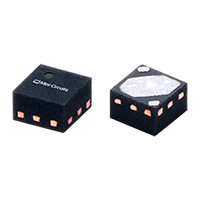
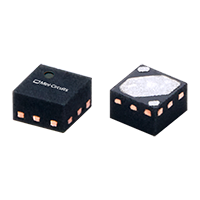
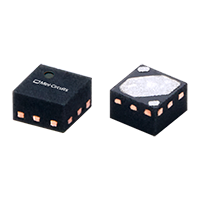
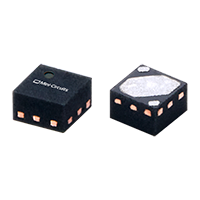
Mini-Circuits RF Attenuators with Local Engineering Support in Israel
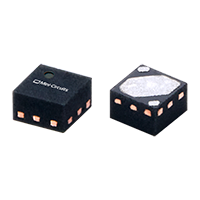
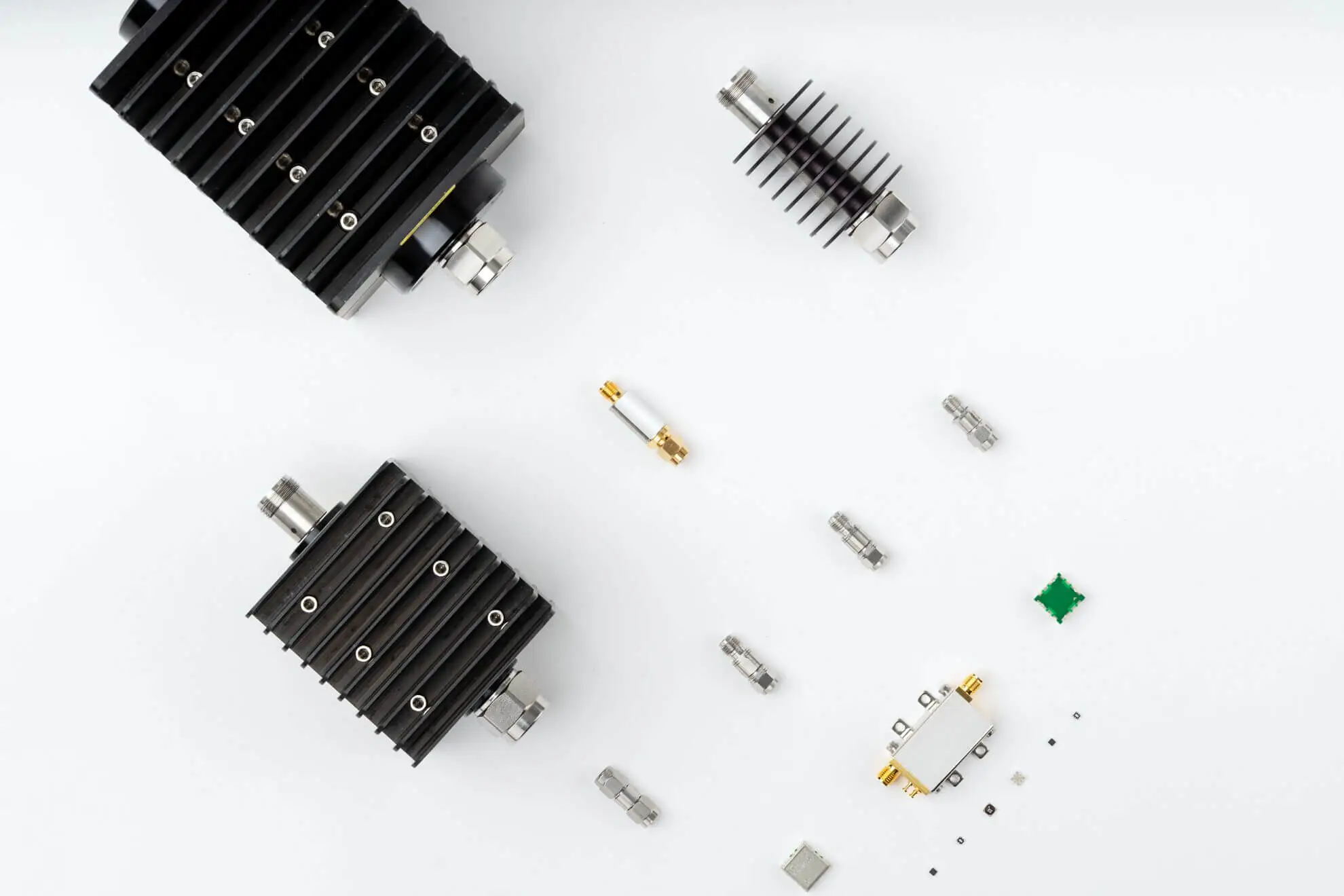
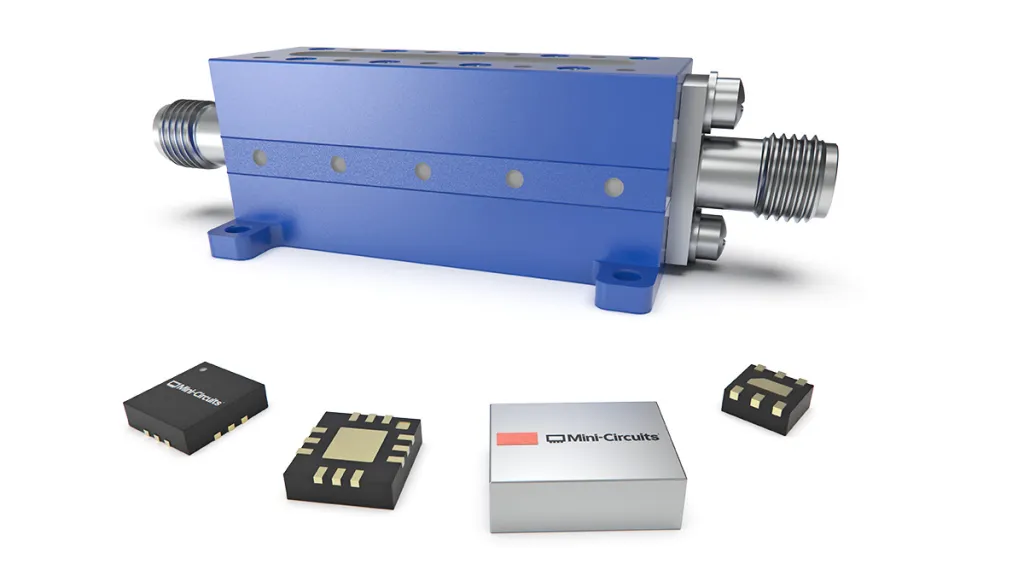
MCDI offers a broad selection of Mini-Circuits RF, microwave and millimeter-wave attenuators for precise signal-level control in RF systems, laboratory setups, automated test equipment and communications applications.
Choose from fixed attenuators, high-power attenuators, digital step attenuators, voltage variable attenuators and programmable RF attenuators, with coaxial, surface-mount, MMIC and other interface options for 50 Ω and selected 75 Ω systems.
Mini-Circuits attenuator solutions cover frequencies from DC through 67 GHz, with attenuation values, power ratings and control methods suited to applications ranging from PCB-level signal conditioning to automated multi-channel test systems.
MCDI’s Application Engineering team in Israel can assist you in selecting the appropriate attenuator according to frequency, attenuation value or range, power handling, impedance, VSWR, attenuation accuracy, step size, interface and control requirements.
63 dB Programmable Attenuator, USB & Ethernet Control, 100 - 43500 MHz
Programmable Attenuator
CON
2.92mm
50
100
43500
63
0.50
1.00
28
0.63
50
1
USB & Ethernet
****
2026-03-17-01.01.05.221000
EDAT-67G-60
63 dB Programmable Attenuator, USB & Daisy-chain, 10 - 67000 MHz
Programmable Attenuator
CON
1.85mm
50
10
67000
63
0.50
1.85
26
0.39
50
1
USB & Daisy-chain
****
2026-03-17-01.01.05.221000
EDAT-67G-30
31.5 dB Programmable Attenuator, USB & Daisy-chain, 10 - 67000 MHz
Programmable Attenuator
CON
1.85mm
50
10
67000
31
0.50
2.30
26
0.39
50
1
USB & Daisy-chain
****
2026-03-17-01.01.05.221000
RC4DAT-8G-95PE
95 dB Programmable Attenuator, USB & Ethernet Control, 1 - 8000 MHz
Programmable Attenuator
CON
SMA
50
1
8000
95
0.25
0.80
28
0.63
51
4
USB & Ethernet
****
2026-03-17-01.01.05.221000
RC8DAT-8G-95PE
95 dB Programmable Attenuator, USB & Ethernet Control, 1 - 8000 MHz
Programmable Attenuator
CON
SMA
50
1
8000
95
0.25
1.80
28
0.63
51
8
USB & Ethernet
****
2026-03-17-01.01.05.221000
RCDAT-44G-30
31.5 dB Programmable Attenuator, USB & Ethernet Control, 100 - 44000 MHz
Programmable Attenuator
CON
2.92mm
50
100
44000
31
0.50
1.00
24
0.25
50
1
USB & Ethernet
****
2026-03-17-01.01.05.221000
Choose an RF Attenuator by Type
Different applications require different methods of controlling RF signal level. The first step is determining whether your application requires a fixed amount of attenuation or dynamically adjustable signal control.
Fixed RF Attenuators
Fixed attenuators provide a defined amount of signal attenuation without requiring a control voltage or digital interface.
They can be used for:
Signal-level reduction
Improving impedance matching between RF components
Isolation between stages
Protecting sensitive equipment
Reducing signal level at instrument inputs
Test and measurement setups
System-level signal conditioning
Mini-Circuits fixed attenuators are available in multiple formats, including connectorized, surface-mount MMIC and bare-die solutions.
Important parameters include:
Frequency range
Nominal attenuation
Attenuation accuracy
Attenuation flatness
VSWR or return loss
Input power
Impedance
Connector or package type
High-Power RF Attenuators
High-power attenuators are intended for applications requiring controlled reduction and dissipation of higher RF power levels.
Typical applications include:
RF power-amplifier testing
Transmitter testing
Laboratory test benches
High-power signal conditioning
RF test systems
Load and measurement protection
Selected Mini-Circuits fixed attenuator solutions are available with power handling as high as 250 W, depending on model and operating conditions.
Power handling can depend on frequency, temperature, mounting and other conditions, so always consult the individual product datasheet before selecting a high-power attenuator.
Digital Step Attenuators – DSA
A digital step attenuator, or DSA, provides electronically selectable attenuation in predefined steps.
Unlike a fixed attenuator, a DSA allows the RF signal level to be changed dynamically through digital control.
Applications include:
Automatic gain control
Receiver and transmitter testing
Signal-level calibration
RF test equipment
Communication systems
Production test
Power-level adjustment
Important selection parameters include:
Frequency range
Total attenuation range
Attenuation step size
Number of control bits
Attenuation accuracy
Switching speed
Insertion loss
Linearity or IP3
Input power
Serial or parallel control
Supply voltage
Mini-Circuits offers digital step attenuators in surface-mount and connectorized configurations.
Programmable RF Attenuators
Programmable attenuators combine RF attenuation control with integrated digital interfaces, making them particularly useful in automated laboratory and production-test systems.
Mini-Circuits programmable attenuator modules are available in single- and multi-channel configurations and support applications through 67 GHz.
Depending on the model, features may include:
Attenuation ranges up to 120 dB
Fine attenuation step sizes
Single- or multi-channel configurations
USB control
Ethernet control
RS232
SPI
Daisy-chain operation
Software GUI
API support
Automated sweeping and hopping
Programmable attenuators can be integrated into test sequences to automatically change signal levels without manual adjustment.
Voltage Variable Attenuators – VVA
A voltage variable attenuator, or VVA, controls RF attenuation according to an applied analog control voltage.
VVAs are useful when continuous or smoothly adjustable level control is required rather than discrete digitally selected steps.
Typical applications include:
Automatic gain control
RF level control
Feedback loops
Receiver systems
Communication systems
Test instrumentation
Signal conditioning
Important parameters include:
Frequency range
Attenuation range
Control voltage
Control current
Linearity
Return loss
Insertion loss
The appropriate VVA should be selected according to both its RF performance and the required relationship between control voltage and attenuation.
How to Select an RF Attenuator
Selecting the correct RF attenuator requires more than choosing a nominal attenuation value. Several electrical and mechanical parameters affect performance in the complete RF signal chain.
Frequency Range
The attenuator must provide the required performance throughout the full operating-frequency range of your system.
Check not only the specified maximum frequency but also attenuation accuracy, return loss and power capability across your actual operating band.
Attenuation
Attenuation indicates how much the RF signal level is reduced and is normally expressed in decibels – dB.
For a fixed attenuator, choose the required nominal attenuation value.
For adjustable attenuators, also consider:
Maximum attenuation
Minimum attenuation
Attenuation step size
Number of available attenuation states
Attenuation Accuracy
The actual attenuation may differ slightly from the nominal value.
Attenuation accuracy can be particularly important in calibration systems, measurement equipment and automated test applications.
Attenuation Flatness
An attenuator may not provide exactly the same attenuation at every frequency.
For broadband applications, review attenuation flatness across the full required frequency range.
Power Handling
The attenuator must safely handle the RF input power present in the application.
For higher-power applications, confirm the specified power rating as well as any frequency, temperature or duty-cycle limitations described in the datasheet.
VSWR and Return Loss
An RF attenuator also forms part of the transmission path between the source and load.
Good input and output matching helps minimize reflections and maintain predictable system performance.
Review the specified VSWR or return loss across your intended operating band.
Impedance
Most RF and microwave applications use 50 Ω systems, while some applications including CATV and broadband distribution may use 75 Ω.
The attenuator impedance should match the system in which it will be used.
Step Size
For digital and programmable attenuators, step size determines the smallest available change in attenuation.
A smaller step size provides finer control over signal level.
Switching Speed
In dynamically controlled applications, the time required to change between attenuation states may be important.
Applications involving fast test sequences, fading simulation or dynamic level control should consider switching speed as part of the selection process.
Linearity
For digital step and voltage variable attenuators, parameters such as IP3 and compression can be important in systems carrying multiple signals or higher signal levels.
Control Interface
Programmable and digital attenuators may use interfaces including:
Parallel digital control
Serial control
USB
Ethernet
RS232
SPI
Daisy-chain control
Choose the interface that best fits your test system, embedded controller or automated environment.
Package and RF Interface
Available configurations can include:
Surface-mount MMIC
Bare die
Connectorized
SMA
2.92 mm
2.4 mm
1.85 mm
Other coaxial or high-frequency interfaces
Select a configuration that matches both the RF performance and mechanical requirements of your design.
RF Attenuator Applications
RF attenuators are used throughout RF, microwave and millimeter-wave signal chains wherever signal level needs to be reduced or controlled.
RF Test & Measurement
Attenuators allow engineers to control signal level between instruments and devices under test, protect measurement equipment and reproduce different signal conditions.
Automated Test Equipment
Digital and programmable attenuators can be integrated into automated test sequences to generate repeatable signal levels without manual adjustment.
Receiver Testing
Adjustable attenuation can be used to evaluate receiver sensitivity and performance at different RF input levels.
Transmission-Loss Simulation
Programmable attenuators can reproduce changing RF path loss in a controlled laboratory environment.
Wireless Device Testing
Variable signal level is useful when evaluating wireless equipment under different link conditions.
Signal Fading Simulation
Programmable attenuation can reproduce changing transmission conditions for communication-system testing.
Cellular Handover Testing
Multi-channel programmable attenuation can be used to simulate changing path loss between wireless devices and different network nodes.
Radar and Aerospace Systems
Wideband and high-frequency attenuators are used in RF signal conditioning, test equipment and system-level signal chains.
Satellite Communications
Microwave and millimeter-wave attenuators can provide controlled signal-level reduction in SATCOM development and test environments.
Impedance Matching and Isolation
A fixed attenuator can sometimes improve the effective impedance match and isolation between RF components, helping reduce the effect of reflections in a signal chain.
Programmable Attenuators for Automated RF Testing
For automated test environments, MCDI also offers Mini-Circuits programmable attenuator modules and integrated multi-channel systems.
These solutions can support applications such as:
Transmission-loss simulation
Signal-fading simulation
Wireless handover testing
MIMO testing
Receiver sensitivity testing
Production testing
Calibration
Automated laboratory measurements
Control options are available for integration with computers, test software and automated test platforms.
An RF attenuator is a passive or electronically controlled component designed to reduce RF signal level by a specified amount while maintaining the required impedance of the signal path.
Attenuation is normally specified in decibels – dB.
What does a 10 dB RF attenuator do?
Ideally, a 10 dB attenuator reduces RF power by a factor of ten.
For example, an input signal of +20 dBm would ideally become approximately +10 dBm at the output, excluding any additional variation associated with the actual device specifications.
What is the difference between a fixed and variable RF attenuator?
A fixed attenuator provides a predefined attenuation value.
A variable attenuator allows the attenuation to be changed. Depending on the design, adjustment may be controlled by analog voltage, digital control signals or a programmable computer interface.
What is a digital step attenuator?
A digital step attenuator – DSA – provides selectable attenuation values in discrete steps controlled by digital signals.
For example, a device may provide a defined attenuation range in 0.5 dB or 1 dB increments.
What is a programmable RF attenuator?
A programmable attenuator combines electronically adjustable RF attenuation with a control interface such as USB, Ethernet, RS232 or SPI.
It can therefore be integrated into automated RF test systems and controlled by software.
What is a voltage variable attenuator?
A voltage variable attenuator – VVA – changes attenuation according to an applied analog control voltage.
It is useful for applications requiring analog signal-level control rather than discrete digital attenuation steps.
Why is attenuation accuracy important?
Attenuation accuracy describes how closely the actual attenuation corresponds to the intended or nominal attenuation value.
It becomes particularly important in test, measurement and calibration applications where signal level must be accurately controlled.
What is attenuation flatness?
Attenuation flatness describes how much the attenuation varies across frequency.
An attenuator intended for a wideband application should maintain suitable attenuation performance throughout the complete operating band.
Can an RF attenuator improve impedance matching?
A suitably selected fixed attenuator can reduce the interaction between source and load mismatches and can therefore improve effective matching and isolation between RF components.
This technique is often useful in RF test setups and signal chains containing impedance-sensitive devices.
How much RF power can an attenuator handle?
Power handling depends on the specific attenuator.
Small MMIC devices may handle relatively modest RF power, while selected high-power connectorized Mini-Circuits attenuators are available with ratings up to 250 W.
Always check the individual datasheet because allowable power may depend on frequency, temperature and operating conditions.
Does Mini-Circuits offer RF attenuators up to 67 GHz?
Yes. Mini-Circuits offers attenuator solutions covering frequencies up to 67 GHz, depending on attenuator type and individual model.
Always refer to the product datasheet for the specified frequency coverage.
Can programmable attenuators be controlled by software?
Yes. Depending on the model, Mini-Circuits programmable attenuators can support control interfaces including USB, Ethernet, RS232 and SPI, with software and API resources available for integration into automated test environments.
Can MCDI help select an RF attenuator?
Yes. Depending on the model, Mini-Circuits programmable attenuators can support control interfaces including USB, Ethernet, RS232 and SPI, with software and API resources available for integration into automated test environments.
Why Source Mini-Circuits RF Attenuators Through MCDI?
MCDI is Mini-Circuits’ exclusive representative and distributor in Israel, providing Israeli engineers and purchasing teams with direct access to Mini-Circuits products together with local technical, commercial and logistical support.
Local Application Engineering
Selecting an RF attenuator may require balancing frequency, attenuation, power, VSWR, accuracy, package and control requirements.
MCDI’s Application Engineers can help evaluate your requirements and identify suitable Mini-Circuits models.
Technical Support in Hebrew and English
Discuss your application directly with a local engineering team familiar with Mini-Circuits RF, microwave and millimeter-wave products.
Support for Test-System Applications
For requirements involving programmable attenuation, multiple RF channels or integrated test systems, MCDI can assist with both catalog products and application-specific solutions.
Local Purchasing and Logistics
MCDI supports Israeli customers from product selection and quotation through ordering, delivery and post-sales support.
Before you leave, you should know that MCDI’s professional team of Application Engineers will be delighted to assist you in sourcing the right component. Just fill the form and we will be back to you shortly.