

Anatomy of a 37-40 GHz 5G n260 Band Front-End with a Discrete LO

The appetite for greater download speeds and lower latency amongst modern mobile device users can be satisfied by higher RF bandwidths. The greatest bandwidths available are found in the mmWave bands, such as 5G band n260 (often referred to as the 39 GHz band, or upper Ka band) which spans 37 to 40 GHz. Although signals in the mmWave band region have the shortest range and poorest ability to penetrate obstacles like buildings and irregular terrain, they do afford the opportunity to achieve incredibly high data rates. Devices capable of receiving the 5G n260 band are theoretically capable of achieving download speeds of up to 20 Gbps under ideal conditions, such as over a short range (< 500 meters) and for line-of-sight transmission. Under real-world conditions, one of the major telecommunications network operators has deployed a 5G FR2 n260 band solution that offers speeds up to 3 Gbps1, and every one of the top three operators has deployed n2601, predominantly where dense wireless traffic is located – stadiums, convention centers, large urban areas, etc.
How to Build a High-Performance SSB Upconverter

Upconverters are ubiquitous in modern RF systems, translating everything from baseband quadrature DDS signals to many of today’s mmWave signals. An X-band upconverter with sideband suppression utilizing an IQ mixer is prototyped in this article to enable the reader to better understand the up-conversion process and the mathematics behind sideband suppression itself.
While integrated forms of upconverters are widely available for many applications, it is interesting to construct a modular upconverter with a significant number of Mini-Circuits’ parts to see how the components interact and how each contributes to overall system performance. Filtering, frequency multiplication, amplification, signals in quadrature, and sideband suppression are a few of the concepts covered when reviewing the system architecture. Finally, we discuss use cases where up-conversion combined with sideband suppression is essential for achieving RF system performance goals.
A Dual Band Channel Sounder Module for FR1 & FR3 Band Modelling (6.75 GHz & 16.95 GHz)
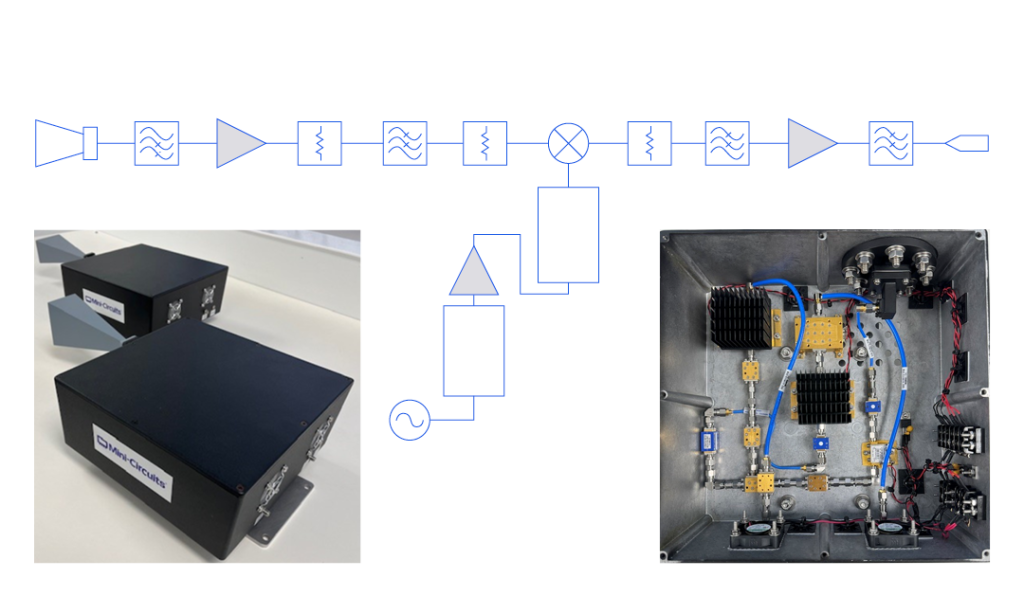
While much research has been devoted to exploring millimeter-wave bandwidths for high-data-rate wireless communications, much of the deployment of 5G to date has relied on frequencies in the sub-6 GHz (FR1) region of the spectrum. The channel capacity of the FR2 bands has been used in urban environments with high subscriber demand where infrastructure can be installed with sufficient density to compensate for the short range and poor penetration of high-frequency signals. Meanwhile, network operators still rely on lower-frequency signals for more ubiquitous coverage.
Similar desire for the data capacity and speed of millimeter-wave and sub-THz transmissions with broad network coverage and low power requirements of lower frequencies has spurred strong interest in the FR3 bands (7 to 24 GHz) as a possible “Goldilocks zone” for the next phases of 5G and 6G development.
Professor Ted Rappaport and his graduate research fellows of NYU WIRELESS in Brooklyn, New York are among the leading researchers exploring the propagation characteristics of 5G and 6G frequency bands under consideration for commercial use by the ITU and telecom industry. In 2022 Rappaport and his team visited Mini-Circuits’ facilities in Brooklyn, and Deer Park on Long Island as a test bed for their work to develop the first spatial statistical model for ultra-wideband signals above 100 GHz in a real-world factory environment.
BOOST YOUR KNOWLEDGE: A COMPREHENSIVE GUIDE TO RF FREQUENCY MULTIPLIERS – TYPES AND APPLICATIONS EXPLAINED
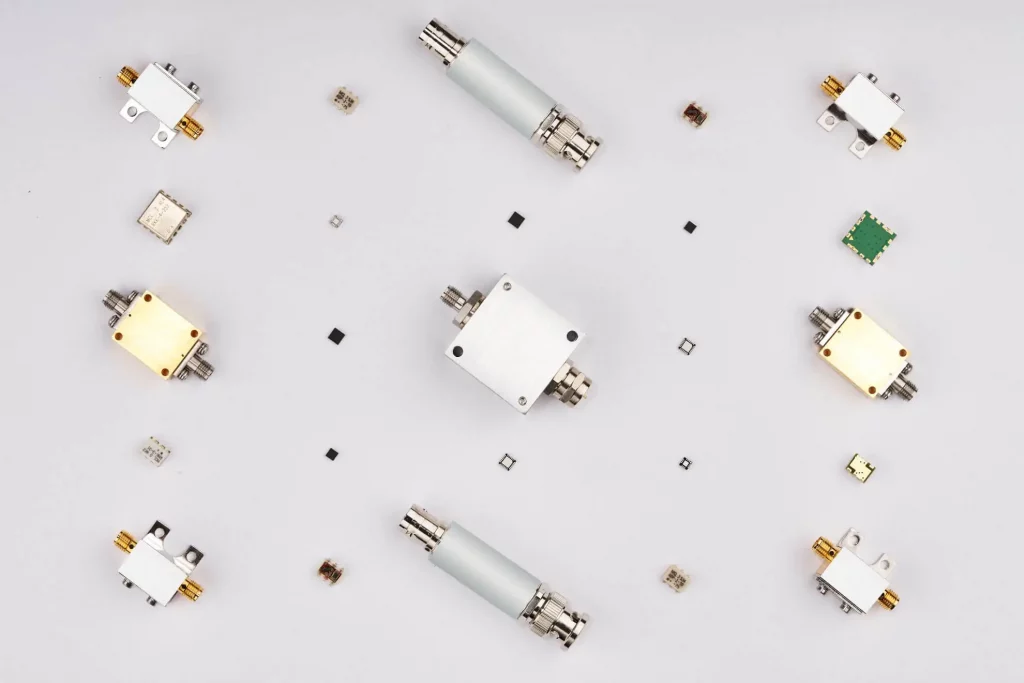
RF frequency multipliers are electronic devices that are used to generate a new signal with a frequency that is a multiple of the input signal frequency. These devices are used in a wide range of applications, including wireless communication systems, test and measurement equipment, and RF circuit design. RF frequency multipliers can also be used to generate new frequencies for use in modulation or demodulation, or to improve the sensitivity of a system by amplifying a specific frequency range.
A Primer on RF Semiconductors (MMICs)
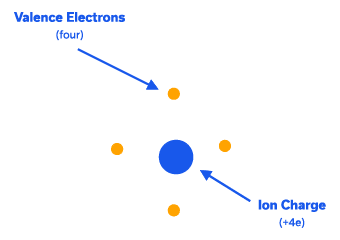
A Primer on RF Semiconductors (MMICs) Radhakrishna Setty, Technical Advisor Introduction Semiconductors are ubiquitous in modern society. In addition to microprocessors for computing technologies, they are used in practically every active wireless communications system including cell phone towers, cell phones, radars and satellites to name a few. Mini-Circuits designs and produces several semiconductor-based (MMIC) components […]