

The Anti-Parallel Series Pair Limiter Topology
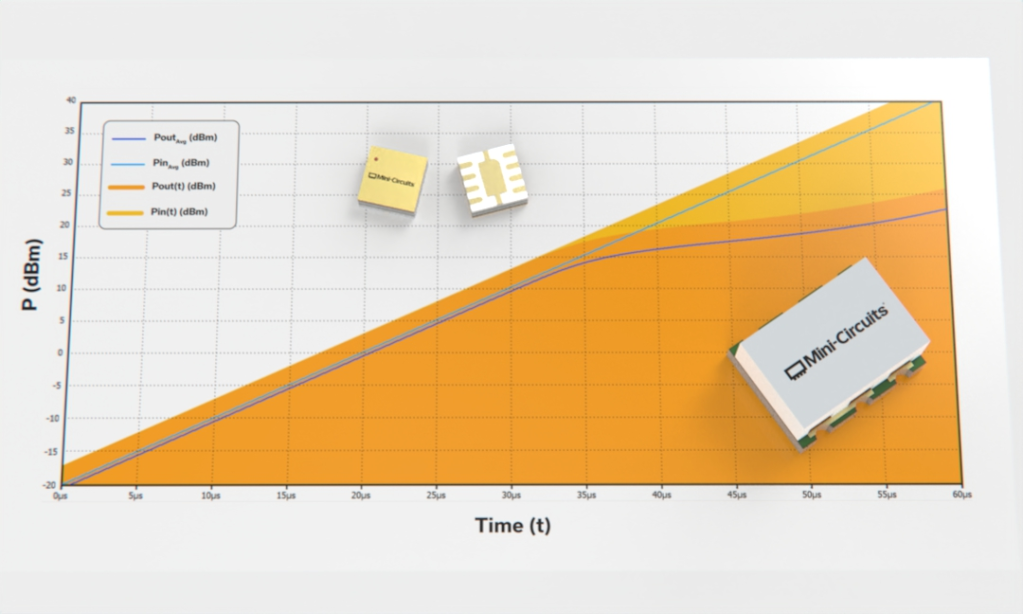
The PIN diode itself was invented by Jun-ichi Nishizawa in 19501, just 18 days before R. N. Hall of General Electric. Hall would go on to propose the PIN diode as a rectifier in 19522, and a decade later the anti-parallel PIN diode limiter configuration had essentially become mainstream and was not presented as anything novel.
For more than 6 decades PIN diode limiters have served to enhance the robustness of RF receivers. The anti-parallel configuration is a very popular choice because its insertion loss, recovery time, power handling, flat leakage and frequency response characteristics can be traded off readily by choice of PIN diode. Even increasing the number of PIN diodes utilized in a limiter circuit can affect performance whether they are added in series or in subsequent stages altogether.
BOOST YOUR KNOWLEDGE: A COMPREHENSIVE GUIDE TO RF LIMITERS – TYPES AND APPLICATIONS EXPLAINED
Radio frequency (RF) limiters are electronic circuits used in RF communication systems to protect sensitive components from excessive RF power levels. Limiters are used to prevent damage to sensitive components, such as amplifiers and mixers, and to improve the overall performance of the system. In this blog, we will discuss the different types of RF limiters and their use.