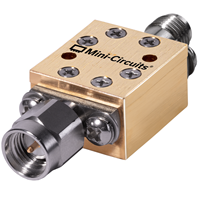
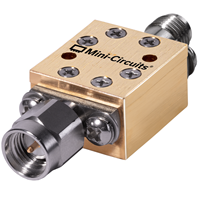
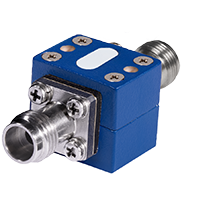
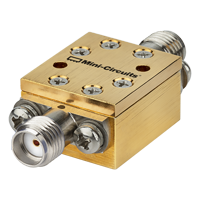
XBF-163+
Reflectionless Band Pass Filter, 15500-16500 MHz
15500
16500
DC-8000
55
24000-40000
55
Band Pass
Reflectionless
SMT
50
****
2024-12-03-01.01.07.737000
📄 👁
XBF-183+
Reflectionless Band Pass Filter, 17500-18500 MHz
17500
18500
DC-9000
55
27000-40000
55
Band Pass
Reflectionless
SMT
50
****
2024-12-03-01.01.07.737000
📄 👁
XBF-282+
Reflectionless Band Pass Filter, 2350-3150 MHz
2350
3150
DC-1810
14
3800-20000
14
Band Pass
Reflectionless
SMT
50
****
2024-12-03-01.01.07.737000
📄 👁
BFCG-162W+
LTCC Band Pass Filter, 950-2200 MHz
950
2200
DC-770
20
3000-5000
20
Band Pass
LTCC
SMT
50
****
2024-12-03-01.01.07.737000
📄 👁
BFCG-5600+
LTCC Band Pass Filter, 5150-5990 MHz
5150
5990
DC-4200
20
9310-15750
20
Band Pass
LTCC
SMT
50
****
2024-12-03-01.01.07.737000
📄 👁
BFCN-152W-75+
LTCC Band Pass Filter, 950-1970 MHz
950
1970
630-730
20
2300-3000
20
Band Pass
LTCC
SMT
75
****
2024-12-03-01.01.07.737000
📄 👁
BFCN-1445+
LTCC Band Pass Filter, 1420-1470 MHz
1420
1470
1190
20
2050
20
Band Pass
LTCC
SMT
50
****
2024-12-03-01.01.07.737000
📄 👁
BFCN-1525+
LTCC Band Pass Filter, 1480-1570 MHz
1480
1570
1250
20
2180
20
Band Pass
LTCC
SMT
50
****
2024-12-03-01.01.07.737000
📄 👁
BFCN-1560+
LTCC Band Pass Filter, 1500-1620 MHz
1500
1620
1100
20
2100
20
Band Pass
LTCC
SMT
50
****
2024-12-03-01.01.07.737000
📄 👁
BFCN-1575+
LTCC Band Pass Filter, 1530-1620 MHz
1530
1620
1290
20
2220
20
Band Pass
LTCC
SMT
50
****
2024-12-03-01.01.07.737000
📄 👁
BFCN-1690+
LTCC Band Pass Filter, 1570-1810 MHz
1570
1810
DC-1200
20
2170-4400
20
Band Pass
LTCC
SMT
50
****
2024-12-03-01.01.07.737000
📄 👁
BFCN-1840+
LTCC Band Pass Filter, 1750-1930 MHz
1750
1930
1480
20
2860
20
Band Pass
LTCC
SMT
50
****
2024-12-03-01.01.07.737000
📄 👁
BFCN-1855+
LTCC Band Pass Filter, 1790-1920 MHz
1790
1920
1510
20
2810
20
Band Pass
LTCC
SMT
50
****
2024-12-03-01.01.07.737000
📄 👁
BFCN-1860+
LTCC Band Pass Filter, 1580-2200 MHz
1580
2200
DC-1300
20
2600-4800
20
Band Pass
LTCC
SMT
50
****
2024-12-03-01.01.07.737000
📄 👁
BFCN-1900+
LTCC Band Pass Filter, 1893-1920 MHz
1893
1920
DC-1687
20
2153-5500
20
Band Pass
LTCC
SMT
50
****
2024-12-03-01.01.07.737000
📄 👁
BFCN-1945+
LTCC Band Pass Filter, 1850-2040 MHz
1850
2040
1400
20
2900
20
Band Pass
LTCC
SMT
50
****
2024-12-03-01.01.07.737000
📄 👁
BFCN-2275+
LTCC Band Pass Filter, 2170-2380 MHz
2170
2380
1800
20
3430
20
Band Pass
LTCC
SMT
50
****
2024-12-03-01.01.07.737000
📄 👁
BFCN-2360+
LTCC Band Pass Filter, 2250-2470 MHz
2250
2470
1850
20
3600
20
Band Pass
LTCC
SMT
50
****
2024-12-03-01.01.07.737000
📄 👁
BFCN-2435+
LTCC Band Pass Filter, 2340-2530 MHz
2340
2530
1940
20
3850
20
Band Pass
LTCC
SMT
50
****
2024-12-03-01.01.07.737000
📄 👁
BFCN-2450+
LTCC Band Pass Filter, 2400-2550 MHz
2400
2550
DC-2100
20
3400-12000
20
Band Pass
LTCC
SMT
50
****
2024-12-03-01.01.07.737000
📄 👁
BFCN-2500+
LTCC Band Pass Filter, 2100-2900 MHz
2100
2900
DC-1600
20
3700-5200
20
Band Pass
LTCC
SMT
50
****
2024-12-03-01.01.07.737000
📄 👁
BFCN-2555+
LTCC Band Pass Filter, 2500-2610 MHz
2500
2610
1970
20
3200
20
Band Pass
LTCC
SMT
50
****
2024-12-03-01.01.07.737000
📄 👁
BFCN-2700+
LTCC Band Pass Filter, 2600-2800 MHz
2600
2800
1500
20
4150
20
Band Pass
LTCC
SMT
50
****
2024-12-03-01.01.07.737000
📄 👁
BFCN-2840+
LTCC Band Pass Filter, 2750-2930 MHz
2750
2930
1550
20
4000
20
Band Pass
LTCC
SMT
50
****
2024-12-03-01.01.07.737000
📄 👁
BFCN-2850+
LTCC Band Pass Filter, 2750-2950 MHz
2750
2950
1500
20
4300
20
Band Pass
LTCC
SMT
50
****
2024-12-03-01.01.07.737000
📄 👁
BFCN-2900+
LTCC Band Pass Filter, 2700-3100 MHz
2700
3100
1850
20
4200
20
Band Pass
LTCC
SMT
50
****
2024-12-03-01.01.07.737000
📄 👁
BFCN-2910+
LTCC Band Pass Filter, 2850-2970 MHz
2850
2970
1600
20
4200
20
Band Pass
LTCC
SMT
50
****
2024-12-03-01.01.07.737000
📄 👁
BFCN-2975+
LTCC Band Pass Filter, 2570-3440 MHz
2570
3440
DC-1700
20
4000-7500
20
Band Pass
LTCC
SMT
50
****
2024-12-03-01.01.07.737000
📄 👁
BFCN-3010+
LTCC Band Pass Filter, 2920-3100 MHz
2920
3100
1530
20
4450
20
Band Pass
LTCC
SMT
50
****
2024-12-03-01.01.07.737000
📄 👁
BFCN-3085+
LTCC Band Pass Filter, 2800-3400 MHz
2800
3400
4250
20
7800
20
Band Pass
LTCC
SMT
50
****
2024-12-03-01.01.07.737000
📄 👁
BFCN-3085A+
LTCC Band Pass Filter, 2800-3400 MHz
2800
3400
4210
20
7800
20
Band Pass
LTCC
SMT
50
****
2024-12-03-01.01.07.737000
📄 👁
BFCN-3115+
LTCC Band Pass Filter, 2720-3570 MHz
2720
3570
DC-1850
20
4300-8160
20
Band Pass
LTCC
SMT
50
****
2024-12-03-01.01.07.737000
📄 👁
BFCN-3600+
LTCC Band Pass Filter, 3300-3900 MHz
3300
3900
1850
20
5000
20
Band Pass
LTCC
SMT
50
****
2024-12-03-01.01.07.737000
📄 👁
BFCN-3700+
LTCC Band Pass Filter, 3000-4600 MHz
3000
4600
DC-2100
20
5600-8000
20
Band Pass
LTCC
SMT
50
****
2024-12-03-01.01.07.738000
📄 👁
BFCN-4100+
LTCC Band Pass Filter, 3700-4500 MHz
3700
4500
2200
20
6000
20
Band Pass
LTCC
SMT
50
****
2024-12-03-01.01.07.738000
📄 👁
BFCN-4440+
LTCC Band Pass Filter, 4200-4700 MHz
4200
4700
2000
20
6750
20
Band Pass
LTCC
SMT
50
****
2024-12-03-01.01.07.738000
📄 👁
BFCN-4800+
LTCC Band Pass Filter, 4400-5200 MHz
4400
5200
DC-1800
20
7500-12000
20
Band Pass
LTCC
SMT
50
****
2024-12-03-01.01.07.738000
📄 👁
BFCN-5100+
LTCC Band Pass Filter, 3100-7100 MHz
3100
7100
DC-2400
20
9500-17000
20
Band Pass
LTCC
SMT
50
****
2024-12-03-01.01.07.738000
📄 👁
BFCN-5200+
LTCC Band Pass Filter, 4250-6300 MHz
4250
6300
DC-3300
20
7500-9000
20
Band Pass
LTCC
SMT
50
****
2024-12-03-01.01.07.738000
📄 👁
BFCN-5540+
LTCC Band Pass Filter, 4620-6640 MHz
4620
6640
3420
20
8060-10990
20
Band Pass
LTCC
SMT
50
****
2024-12-03-01.01.07.738000
📄 👁
BFCN-5750+
LTCC Band Pass Filter, 5650-5850 MHz
5650
5850
DC-4300
20
8000-9000
20
Band Pass
LTCC
SMT
50
****
2024-12-03-01.01.07.738000
📄 👁
BFCN-7200+
LTCC Band Pass Filter, 7100-7300 MHz
7100
7300
6650
20
8150
20
Band Pass
LTCC
SMT
50
****
2024-12-03-01.01.07.738000
📄 👁
BFCN-7350+
LTCC Band Pass Filter, 7150-7550 MHz
7150
7550
6500
20
8500
20
Band Pass
LTCC
SMT
50
****
2024-12-03-01.01.07.738000
📄 👁
BFCN-7500+
LTCC Band Pass Filter, 7450-7650 MHz
7450
7650
6700
20
8800
20
Band Pass
LTCC
SMT
50
****
2024-12-03-01.01.07.738000
📄 👁
BFCN-7700+
LTCC Band Pass Filter, 7500-7900 MHz
7500
7900
6800
20
9000
20
Band Pass
LTCC
SMT
50
****
2024-12-03-01.01.07.738000
📄 👁
BFCN-7900+
LTCC Band Pass Filter, 7800-8100 MHz
7800
8100
6800
20
9300
20
Band Pass
LTCC
SMT
50
****
2024-12-03-01.01.07.738000
📄 👁
BFCN-8000+
LTCC Band Pass Filter, 7900-8100 MHz
7900
8100
7000
20
9300
20
Band Pass
LTCC
SMT
50
****
2024-12-03-01.01.07.738000
📄 👁
BFCN-8350+
LTCC Band Pass Filter, 8250-8450 MHz
8250
8450
7400
20
9600
20
Band Pass
LTCC
SMT
50
****
2024-12-03-01.01.07.738000
📄 👁
BFCN-8450+
LTCC Band Pass Filter, 8350-8550 MHz
8350
8550
7500
20
9800
20
Band Pass
LTCC
SMT
50
****
2024-12-03-01.01.07.738000
📄 👁
BFCN-8650+
LTCC Band Pass Filter, 8550-8750 MHz
8550
8750
7700
20
9900
20
Band Pass
LTCC
SMT
50
****
2024-12-03-01.01.07.738000
📄 👁
BFCV-2610+
LTCC Band Pass Filter, 2000-3220 MHz
2000
3220
DC-1550
20
4500-8000
20
Band Pass
LTCC
SMT
50
****
2024-12-03-01.01.07.738000
📄 👁
BFCV-2895+
LTCC Band Pass Filter, 2220-3570 MHz
2220
3570
DC-1785
20
4440-7000
20
Band Pass
LTCC
SMT
50
****
2024-12-03-01.01.07.738000
📄 👁
BFCV-3350+
LTCC Band Pass Filter, 2570-4130 MHz
2570
4130
DC-1900
20
5140-8000
20
Band Pass
LTCC
SMT
50
****
2024-12-03-01.01.07.738000
📄 👁
BFCV-4085+
LTCC Band Pass Filter, 3130-5040 MHz
3130
5040
DC-2520
20
6260-8000
20
Band Pass
LTCC
SMT
50
****
2024-12-03-01.01.07.738000
📄 👁
BFCV-5270+
LTCC Band Pass Filter, 4040-6500 MHz
4040
6500
DC-3250
20
8080-14000
20
Band Pass
LTCC
SMT
50
****
2024-12-03-01.01.07.738000
📄 👁
BFCW-542+
LTCC Band Pass Filter, 4700-6000 MHz
4700
6000
DC-2500
20
9800-12000
20
Band Pass
LTCC
SMT
50
****
2024-12-03-01.01.07.738000
📄 👁
BFTC-415+
LTCC Band Pass Filter, 330-500 MHz
330
500
1-240
20
650-1800
20
Band Pass
LTCC
SMT
50
****
2024-12-03-01.01.07.738000
📄 👁
BFTC-500+
LTCC Band Pass Filter, 400-600 MHz
400
600
1-290
20
800-2000
20
Band Pass
LTCC
SMT
50
****
2024-12-03-01.01.07.738000
📄 👁
BFTC-615+
LTCC Band Pass Filter, 450-780 MHz
450
780
1-320
20
970-2400
20
Band Pass
LTCC
SMT
50
****
2024-12-03-01.01.07.738000
📄 👁
BFTC-618+
LTCC Band Pass Filter, 460-776 MHz
460
776
1-330
20
980-2400
20
Band Pass
LTCC
SMT
50
****
2024-12-03-01.01.07.738000
📄 👁
BPF-A60+
Lumped LC Band Pass Filter, 55-65 MHz
55
65
DC-50
20
75-900
20
Band Pass
Lumped LC
SMT
50
****
2024-12-03-01.01.07.738000
📄 👁
BPF-A69+
Lumped LC Band Pass Filter, 55-83 MHz
55
83
40
20
97
20
Band Pass
Lumped LC
SMT
50
****
2024-12-03-01.01.07.738000
📄 👁
BPF-A75+
Lumped LC Band Pass Filter, 72-78 MHz
72
78
65
20
88
20
Band Pass
Lumped LC
SMT
50
****
2024-12-03-01.01.07.738000
📄 👁
BPF-A76+
Lumped LC Band Pass Filter, 74-77 MHz
74
77
65
20
86
20
Band Pass
Lumped LC
SMT
50
****
2024-12-03-01.01.07.738000
📄 👁
BPF-A113+
Lumped LC Band Pass Filter, 108-118 MHz
108
118
95
20
140
20
Band Pass
Lumped LC
SMT
50
****
2024-12-03-01.01.07.738000
📄 👁
BPF-A120+
Lumped LC Band Pass Filter, 100-140 MHz
100
140
DC-82
20
170-3000
20
Band Pass
Lumped LC
SMT
50
****
2024-12-03-01.01.07.738000
📄 👁
BPF-A122+
Lumped LC Band Pass Filter, 119-125 MHz
119
125
111
20
132
20
Band Pass
Lumped LC
SMT
50
****
2024-12-03-01.01.07.738000
📄 👁
BPF-A127+
Lumped LC Band Pass Filter, 118-137 MHz
118
137
105
20
155
20
Band Pass
Lumped LC
SMT
50
****
2024-12-03-01.01.07.738000
📄 👁
BPF-A332+
Lumped LC Band Pass Filter, 329-335 MHz
329
335
305
20
365
20
Band Pass
Lumped LC
SMT
50
****
2024-12-03-01.01.07.738000
📄 👁
BPF-A355+
Lumped LC Band Pass Filter, 310-400 MHz
310
400
DC-237
20
450-1400
20
Band Pass
Lumped LC
SMT
50
****
2024-12-03-01.01.07.738000
📄 👁
BPF-A400+
Lumped LC Band Pass Filter, 390-410 MHz
390
410
350
20
490
20
Band Pass
Lumped LC
SMT
50
****
2024-12-03-01.01.07.738000
📄 👁
BPF-A410+
Lumped LC Band Pass Filter, 365-455 MHz
365
455
300
20
515
20
Band Pass
Lumped LC
SMT
50
****
2024-12-03-01.01.07.738000
📄 👁
BPF-A490+
Lumped LC Band Pass Filter, 400-600 MHz
400
600
280
20
680
20
Band Pass
Lumped LC
SMT
50
****
2024-12-03-01.01.07.738000
📄 👁
BPF-A535+
Lumped LC Band Pass Filter, 460-610 MHz
460
610
DC-380
20
700-1600
20
Band Pass
Lumped LC
SMT
50
****
2024-12-03-01.01.07.738000
📄 👁
BPF-A580+
Lumped LC Band Pass Filter, 520-640 MHz
520
640
440
20
720
20
Band Pass
Lumped LC
SMT
50
****
2024-12-03-01.01.07.738000
📄 👁
BPF-A600+
Lumped LC Band Pass Filter, 500-700 MHz
500
700
DC-380
20
795-1800
20
Band Pass
Lumped LC
SMT
50
****
2024-12-03-01.01.07.738000
📄 👁
BPF-A730+
Lumped LC Band Pass Filter, 670-795 MHz
670
795
610
20
910
20
Band Pass
Lumped LC
SMT
50
****
2024-12-03-01.01.07.738000
📄 👁
BPF-A800+
Lumped LC Band Pass Filter, 795-805 MHz
795
805
700
20
900
20
Band Pass
Lumped LC
SMT
50
****
2024-12-03-01.01.07.738000
📄 👁
BPF-A950+
Lumped LC Band Pass Filter, 700-1200 MHz
700
1200
DC-620
20
1310-2500
20
Band Pass
Lumped LC
SMT
50
****
2024-12-03-01.01.07.738000
📄 👁
BPF-A1140+
Lumped LC Band Pass Filter, 840-1440 MHz
840
1440
DC-711
20
1577-3000
20
Band Pass
Lumped LC
SMT
50
****
2024-12-03-01.01.07.738000
📄 👁
BPF-A1340+
Lumped LC Band Pass Filter, 1000-1800 MHz
1000
1800
800
20
2300
20
Band Pass
Lumped LC
SMT
50
****
2024-12-03-01.01.07.738000
📄 👁
BPF-A1600+
Lumped LC Band Pass Filter, 1400-1800 MHz
1400
1800
DC-1220
20
1980-3300
20
Band Pass
Lumped LC
SMT
50
****
2024-12-03-01.01.07.738000
📄 👁
BPF-B48+
Lumped LC Band Pass Filter, 47-49 MHz
47
49
41
20
56
20
Band Pass
Lumped LC
SMT
50
****
2024-12-03-01.01.07.738000
📄 👁
BPF-B59+
Lumped LC Band Pass Filter, 57-61 MHz
57
61
DC-52
20
68-2600
20
Band Pass
Lumped LC
SMT
50
****
2024-12-03-01.01.07.738000
📄 👁
BPF-B63+
Lumped LC Band Pass Filter, 61-65 MHz
61
65
DC-56
20
72-2800
20
Band Pass
Lumped LC
SMT
50
****
2024-12-03-01.01.07.738000
📄 👁
BPF-B140N+
Lumped LC Band Pass Filter, 135-143 MHz
135
143
126
20
154
20
Band Pass
Lumped LC
SMT
50
****
2024-12-03-01.01.07.738000
📄 👁
BPF-B140W+
Lumped LC Band Pass Filter, 135-145 MHz
135
145
117
20
165
20
Band Pass
Lumped LC
SMT
50
****
2024-12-03-01.01.07.738000
📄 👁
BPF-B157+
Lumped LC Band Pass Filter, 151-163 MHz
151
163
131
20
187
20
Band Pass
Lumped LC
SMT
50
****
2024-12-03-01.01.07.738000
📄 👁
BPF-B177+
Lumped LC Band Pass Filter, 170-185 MHz
170
185
150
20
210
20
Band Pass
Lumped LC
SMT
50
****
2024-12-03-01.01.07.738000
📄 👁
BPF-B190+
Lumped LC Band Pass Filter, 185-195 MHz
185
195
170
20
212
20
Band Pass
Lumped LC
SMT
50
****
2024-12-03-01.01.07.738000
📄 👁
BPF-B199+
Lumped LC Band Pass Filter, 194-204 MHz
194
204
DC-179
20
221-2000
20
Band Pass
Lumped LC
SMT
50
****
2024-12-03-01.01.07.738000
📄 👁
BPF-B503+
Lumped LC Band Pass Filter, 495-510 MHz
495
510
440
20
565
20
Band Pass
Lumped LC
SMT
50
****
2024-12-03-01.01.07.738000
📄 👁
BPF-C4R5+
Lumped LC Band Pass Filter, 2-7 MHz
2
7
DC-0.6
20
17-2100
20
Band Pass
Lumped LC
SMT
50
****
2024-12-03-01.01.07.738000
📄 👁
BPF-C45+
Lumped LC Band Pass Filter, 30-70 MHz
30
70
23
20
95
20
Band Pass
Lumped LC
SMT
50
****
2024-12-03-01.01.07.738000
📄 👁
BPF-C59+
Lumped LC Band Pass Filter, 30-88 MHz
30
88
DC-22
20
115-4500
20
Band Pass
Lumped LC
SMT
50
****
2024-12-03-01.01.07.738000
📄 👁
BPF-C70+
Lumped LC Band Pass Filter, 69.5-70.5 MHz
69
70
DC-66
20
75-1000
20
Band Pass
Lumped LC
SMT
50
****
2024-12-03-01.01.07.738000
📄 👁
BPF-C73+
Lumped LC Band Pass Filter, 63-85 MHz
63
85
45
20
105
20
Band Pass
Lumped LC
SMT
50
****
2024-12-03-01.01.07.738000
📄 👁
BPF-C75+
Lumped LC Band Pass Filter, 60-90 MHz
60
90
46
20
102
20
Band Pass
Lumped LC
SMT
50
****
2024-12-03-01.01.07.738000
📄 👁
BPF-C138+
Lumped LC Band Pass Filter, 105-180 MHz
105
180
87
20
201
20
Band Pass
Lumped LC
SMT
50
****
2024-12-03-01.01.07.738000
📄 👁
BPF-C141+
Lumped LC Band Pass Filter, 110-180 MHz
110
180
92
20
213
20
Band Pass
Lumped LC
SMT
50
****
2024-12-03-01.01.07.738000
📄 👁
BPF-C450+
Lumped LC Band Pass Filter, 400-510 MHz
400
510
310
20
700
20
Band Pass
Lumped LC
SMT
50
****
2024-12-03-01.01.07.738000
📄 👁
BPF-C495+
Lumped LC Band Pass Filter, 470-520 MHz
470
520
DC-410
20
625-2600
20
Band Pass
Lumped LC
SMT
50
****
2024-12-03-01.01.07.738000
📄 👁
BPF-C510+
Lumped LC Band Pass Filter, 20-1000 MHz
20
1000
DC-17
20
1150-1800
20
Band Pass
Lumped LC
SMT
50
****
2024-12-03-01.01.07.738000
📄 👁
BPF-C550+
Lumped LC Band Pass Filter, 100-1000 MHz
100
1000
DC-80
35
1200-2000
35
Band Pass
Lumped LC
SMT
50
****
2024-12-03-01.01.07.738000
📄 👁
BPF-C587+
Lumped LC Band Pass Filter, 470-705 MHz
470
705
DC-400
20
800-1500
20
Band Pass
Lumped LC
SMT
50
****
2024-12-03-01.01.07.738000
📄 👁
BPF-C650+
Lumped LC Band Pass Filter, 560-780 MHz
560
780
DC-365
20
965-2700
20
Band Pass
Lumped LC
SMT
50
****
2024-12-03-01.01.07.738000
📄 👁
BPF-C670+
Lumped LC Band Pass Filter, 470-870 MHz
470
870
280
20
890
20
Band Pass
Lumped LC
SMT
50
****
2024-12-03-01.01.07.738000
📄 👁
BPF-E16+
Lumped LC Band Pass Filter, 2-30 MHz
2
30
DC-1.4
20
35-500
20
Band Pass
Lumped LC
SMT
50
****
2024-12-03-01.01.07.738000
📄 👁
BPF-F100+
Lumped LC Band Pass Filter, 95-105 MHz
95
105
DC-85
35
120-900
35
Band Pass
Lumped LC
SMT
50
****
2024-12-03-01.01.07.738000
📄 👁
BPF-F150+
Lumped LC Band Pass Filter, 145-155 MHz
145
155
DC-133
35
170-1400
35
Band Pass
Lumped LC
SMT
50
****
2024-12-03-01.01.07.738000
📄 👁
BPF-F184+
Lumped LC Band Pass Filter, 154.32-214.32 MHz
154
214
DC-139
20
242-2800
20
Band Pass
Lumped LC
SMT
50
****
2024-12-03-01.01.07.738000
📄 👁
BPF-F598+
Lumped LC Band Pass Filter, 410-785 MHz
410
785
DC-385
20
825-1600
20
Band Pass
Lumped LC
SMT
50
****
2024-12-03-01.01.07.738000
📄 👁
BPF-F1250+
Lumped LC Band Pass Filter, 1050-1450 MHz
1050
1450
DC-960
20
1640-2500
20
Band Pass
Lumped LC
SMT
50
****
2024-12-03-01.01.07.738000
📄 👁
BPF-V300+
Lumped LC Band Pass Filter, 230-370 MHz
230
370
DC-170
20
440-3000
20
Band Pass
Lumped LC
SMT
50
****
2024-12-03-01.01.07.738000
📄 👁
BPF-V1000+
Lumped LC Band Pass Filter, 940-1060 MHz
940
1060
DC-860
35
1140-3000
35
Band Pass
Lumped LC
SMT
50
****
2024-12-03-01.01.07.738000
📄 👁
BPHI-332+
Lumped LC Band Pass Filter, 329-335 MHz
329
335
300-313
20
343-370
20
Band Pass
Lumped LC
SMT
50
****
2024-12-03-01.01.07.738000
📄 👁
CBP-670F+
Ceramic Resonator Band Pass Filter, 645-695 MHz
645
695
DC-613
20
728-1500
20
Band Pass
Ceramic Resonator
SMT
50
****
2024-12-03-01.01.07.738000
📄 👁
CBP-770C+
Ceramic Resonator Band Pass Filter, 760-780 MHz
760
780
DC-705
20
840-1650
20
Band Pass
Ceramic Resonator
SMT
50
****
2024-12-03-01.01.07.738000
📄 👁
CBP-804F+
Ceramic Resonator Band Pass Filter, 783-825 MHz
783
825
DC-750
20
860-1900
20
Band Pass
Ceramic Resonator
SMT
50
****
2024-12-03-01.01.07.739000
📄 👁
CBP-840C+
Ceramic Resonator Band Pass Filter, 790-890 MHz
790
890
DC-665
20
1070-1600
20
Band Pass
Ceramic Resonator
SMT
50
****
2024-12-03-01.01.07.739000
📄 👁
CBP-893C+
Ceramic Resonator Band Pass Filter, 870-915 MHz
870
915
DC-750
20
1050-1700
20
Band Pass
Ceramic Resonator
SMT
50
****
2024-12-03-01.01.07.739000
📄 👁
CBP-897G+
Ceramic Resonator Band Pass Filter, 887-907 MHz
887
907
DC-850
20
945-2000
20
Band Pass
Ceramic Resonator
SMT
50
****
2024-12-03-01.01.07.739000
📄 👁
CBP-915C+
Ceramic Resonator Band Pass Filter, 902.5-927.5 MHz
902
927
DC-830
20
1005-1800
20
Band Pass
Ceramic Resonator
SMT
50
****
2024-12-03-01.01.07.739000
📄 👁
CBP-1000F+
Ceramic Resonator Band Pass Filter, 900-1100 MHz
900
1100
DC-790
20
1260-1800
20
Band Pass
Ceramic Resonator
SMT
50
****
2024-12-03-01.01.07.739000
📄 👁
CBP-1023A+
Ceramic Resonator Band Pass Filter, 1005-1041 MHz
1005
1041
DC-970
20
1075-2400
20
Band Pass
Ceramic Resonator
SMT
50
****
2024-12-03-01.01.07.739000
📄 👁
CBP-1034C+
Ceramic Resonator Band Pass Filter, 978-1090 MHz
978
1090
DC-790
20
1400-2000
20
Band Pass
Ceramic Resonator
SMT
50
****
2024-12-03-01.01.07.739000
📄 👁
CBP-1060Q+
Ceramic Resonator Band Pass Filter, 1030-1090 MHz
1030
1090
500-930
20
1190-1400
20
Band Pass
Ceramic Resonator
SMT
50
****
2024-12-03-01.01.07.739000
📄 👁
CBP-1062C+
Ceramic Resonator Band Pass Filter, 960-1164 MHz
960
1164
DC-735
20
1620-1900
20
Band Pass
Ceramic Resonator
SMT
50
****
2024-12-03-01.01.07.739000
📄 👁
CBP-1090C+
Ceramic Resonator Band Pass Filter, 1060-1120 MHz
1060
1120
DC-955
20
1255-2200
20
Band Pass
Ceramic Resonator
SMT
50
****
2024-12-03-01.01.07.739000
📄 👁
CBP-1120F+
Ceramic Resonator Band Pass Filter, 1020-1220 MHz
1020
1220
DC-880
20
1420-2000
20
Band Pass
Ceramic Resonator
SMT
50
****
2024-12-03-01.01.07.739000
📄 👁
CBP-1170C+
Ceramic Resonator Band Pass Filter, 1110-1230 MHz
1110
1230
DC-900
20
1560-2200
20
Band Pass
Ceramic Resonator
SMT
50
****
2024-12-03-01.01.07.739000
📄 👁
CBP-1183A+
Ceramic Resonator Band Pass Filter, 1165-1201 MHz
1165
1201
DC-1130
20
1235-2800
20
Band Pass
Ceramic Resonator
SMT
50
****
2024-12-03-01.01.07.739000
📄 👁
CBP-1228C+
Ceramic Resonator Band Pass Filter, 1217-1238 MHz
1217
1238
DC-1140
20
1330-3000
20
Band Pass
Ceramic Resonator
SMT
50
****
2024-12-03-01.01.07.739000
📄 👁
CBP-1250C+
Ceramic Resonator Band Pass Filter, 1215-1285 MHz
1215
1285
DC-1055
20
1510-2500
20
Band Pass
Ceramic Resonator
SMT
50
****
2024-12-03-01.01.07.739000
📄 👁
CBP-1260C+
Ceramic Resonator Band Pass Filter, 1200-1320 MHz
1200
1320
DC-1025
20
1640-2450
20
Band Pass
Ceramic Resonator
SMT
50
****
2024-12-03-01.01.07.739000
📄 👁
CBP-1280C+
Ceramic Resonator Band Pass Filter, 1170-1390 MHz
1170
1390
DC-950
20
1850-2450
20
Band Pass
Ceramic Resonator
SMT
50
****
2024-12-03-01.01.07.739000
📄 👁
CBP-1280F+
Ceramic Resonator Band Pass Filter, 1160-1400 MHz
1160
1400
DC-1000
20
1570-2100
20
Band Pass
Ceramic Resonator
SMT
50
****
2024-12-03-01.01.07.739000
📄 👁
CBP-1300A+
Ceramic Resonator Band Pass Filter, 1200-1400 MHz
1200
1400
DC-1040
20
1640-3100
20
Band Pass
Ceramic Resonator
SMT
50
****
2024-12-03-01.01.07.739000
📄 👁
CBP-1307C+
Ceramic Resonator Band Pass Filter, 1215-1400 MHz
1215
1400
DC-1000
20
1820-2500
20
Band Pass
Ceramic Resonator
SMT
50
****
2024-12-03-01.01.07.739000
📄 👁
CBP-1320Q+
Ceramic Resonator Band Pass Filter, 1280-1360 MHz
1280
1360
900-1170
20
1490-20000
20
Band Pass
Ceramic Resonator
SMT
50
****
2024-12-03-01.01.07.739000
📄 👁
CBP-1350C+
Ceramic Resonator Band Pass Filter, 1300-1400 MHz
1300
1400
DC-1125
20
1665-2700
20
Band Pass
Ceramic Resonator
SMT
50
****
2024-12-03-01.01.07.739000
📄 👁
CBP-1400E+
Ceramic Resonator Band Pass Filter, 1320-1480 MHz
1320
1480
DC-1150
20
1600-2400
20
Band Pass
Ceramic Resonator
SMT
50
****
2024-12-03-01.01.07.739000
📄 👁
CBP-1400F+
Ceramic Resonator Band Pass Filter, 1300-1500 MHz
1300
1500
DC-1090
20
1740-2450
20
Band Pass
Ceramic Resonator
SMT
50
****
2024-12-03-01.01.07.739000
📄 👁
CBP-1450F+
Ceramic Resonator Band Pass Filter, 1320-1580 MHz
1320
1580
DC-1150
20
1775-2350
20
Band Pass
Ceramic Resonator
SMT
50
****
2024-12-03-01.01.07.739000
📄 👁
CBP-1490A+
Ceramic Resonator Band Pass Filter, 1465-1515 MHz
1465
1515
DC-1430
20
1550-3000
20
Band Pass
Ceramic Resonator
SMT
50
****
2024-12-03-01.01.07.739000
📄 👁
CBP-1538J+
Ceramic Resonator Band Pass Filter, 1518-1559 MHz
1518
1559
DC-1390
20
1750-3000
20
Band Pass
Ceramic Resonator
SMT
50
****
2024-12-03-01.01.07.739000
📄 👁
CBP-1555C+
Ceramic Resonator Band Pass Filter, 1525-1585 MHz
1525
1585
DC-1415
20
1700-3600
20
Band Pass
Ceramic Resonator
SMT
50
****
2024-12-03-01.01.07.739000
📄 👁
CBP-1630F+
Ceramic Resonator Band Pass Filter, 1500-1760 MHz
1500
1760
DC-1320
20
1960-2600
20
Band Pass
Ceramic Resonator
SMT
50
****
2024-12-03-01.01.07.739000
📄 👁
CBP-1645J+
Ceramic Resonator Band Pass Filter, 1616-1675 MHz
1616
1675
DC-1500
20
1850-3000
20
Band Pass
Ceramic Resonator
SMT
50
****
2024-12-03-01.01.07.739000
📄 👁
CBP-1748C+
Ceramic Resonator Band Pass Filter, 1710-1785 MHz
1710
1785
DC-1580
20
1960-4000
20
Band Pass
Ceramic Resonator
SMT
50
****
2024-12-03-01.01.07.739000
📄 👁
CBP-1820F+
Ceramic Resonator Band Pass Filter, 1680-1960 MHz
1680
1960
DC-1510
20
2170-3000
20
Band Pass
Ceramic Resonator
SMT
50
****
2024-12-03-01.01.07.739000
📄 👁
CBP-1880E+
Ceramic Resonator Band Pass Filter, 1780-1980 MHz
1780
1980
DC-1550
20
2150-3300
20
Band Pass
Ceramic Resonator
SMT
50
****
2024-12-03-01.01.07.739000
📄 👁
CBP-1950C+
Ceramic Resonator Band Pass Filter, 1920-1980 MHz
1920
1980
DC-1740
20
2190-4300
20
Band Pass
Ceramic Resonator
SMT
50
****
2024-12-03-01.01.07.739000
📄 👁
CBP-2250A+
Ceramic Resonator Band Pass Filter, 2000-2500 MHz
2000
2500
DC-1630
20
2900-6000
35
Band Pass
Ceramic Resonator
SMT
50
****
2024-12-03-01.01.07.739000
📄 👁
CBP-2400A+
Ceramic Resonator Band Pass Filter, 2200-2600 MHz
2200
2600
DC-1780
20
3480-4200
20
Band Pass
Ceramic Resonator
SMT
50
****
2024-12-03-01.01.07.739000
📄 👁
CBP-5800AG+
Ceramic Resonator Band Pass Filter, 5725-5825 MHz
5725
5825
DC-5100
20
6250-7300
20
Band Pass
Ceramic Resonator
SMT
50
****
2024-12-03-01.01.07.739000
📄 👁
CBP-A1060C+
Ceramic Resonator Band Pass Filter, 1015-1105 MHz
1015
1105
DC-865
20
1350-2250
20
Band Pass
Ceramic Resonator
SMT
50
****
2024-12-03-01.01.07.739000
📄 👁
CBP-A1230C+
Ceramic Resonator Band Pass Filter, 1160-1300 MHz
1160
1300
DC-950
20
1670-2400
20
Band Pass
Ceramic Resonator
SMT
50
****
2024-12-03-01.01.07.739000
📄 👁
CBP-B1230C+
Ceramic Resonator Band Pass Filter, 1120-1340 MHz
1120
1340
DC-980
20
1750-2350
20
Band Pass
Ceramic Resonator
SMT
50
****
2024-12-03-01.01.07.739000
📄 👁
CSBP-A940+
Ceramic Resonator Band Pass Filter, 880-1000 MHz
880
1000
DC-800
20
1095-1840
20
Band Pass
Ceramic Resonator
SMT
50
****
2024-12-03-01.01.07.739000
📄 👁
CSBP-A1843+
Ceramic Resonator Band Pass Filter, 1765-1920 MHz
1765
1920
DC-1580
20
2095-3300
20
Band Pass
Ceramic Resonator
SMT
50
****
2024-12-03-01.01.07.739000
📄 👁
CSBP-D1189+
Ceramic Resonator Band Pass Filter, 1130-1246 MHz
1130
1246
DC-950
20
1550-2400
20
Band Pass
Ceramic Resonator
SMT
50
****
2024-12-03-01.01.07.739000
📄 👁
CSBP-D1228+
Ceramic Resonator Band Pass Filter, 1203-1253 MHz
1203
1253
DC-1020
20
1425-2500
20
Band Pass
Ceramic Resonator
SMT
50
****
2024-12-03-01.01.07.739000
📄 👁
JCBP-290+
Lumped LC Band Pass Filter, 100-480 MHz
100
480
65
20
630
20
Band Pass
Lumped LC
SMT
50
****
2024-12-03-01.01.07.739000
📄 👁
JCBP-900+
Lumped LC Band Pass Filter, 480-1320 MHz
480
1320
380
20
1790
20
Band Pass
Lumped LC
SMT
50
****
2024-12-03-01.01.07.739000
📄 👁
RBP-75+
Lumped LC Band Pass Filter, 60-90 MHz
60
90
37
20
122
20
Band Pass
Lumped LC
SMT
50
****
2024-12-03-01.01.07.739000
📄 👁
RBP-98+
Lumped LC Band Pass Filter, 75-131 MHz
75
131
55
20
170
20
Band Pass
Lumped LC
SMT
50
****
2024-12-03-01.01.07.739000
📄 👁
RBP-130+
Lumped LC Band Pass Filter, 95-180 MHz
95
180
50
20
280
20
Band Pass
Lumped LC
SMT
50
****
2024-12-03-01.01.07.739000
📄 👁
RBP-135+
Lumped LC Band Pass Filter, 120-150 MHz
120
150
85
20
210
20
Band Pass
Lumped LC
SMT
50
****
2024-12-03-01.01.07.739000
📄 👁
RBP-140+
Lumped LC Band Pass Filter, 130-150 MHz
130
150
DC-100
20
178-3000
20
Band Pass
Lumped LC
SMT
50
****
2024-12-03-01.01.07.739000
📄 👁
RBP-160+
Lumped LC Band Pass Filter, 120-210 MHz
120
210
85
20
280
20
Band Pass
Lumped LC
SMT
50
****
2024-12-03-01.01.07.739000
📄 👁
RBP-173+
Lumped LC Band Pass Filter, 160-185 MHz
160
185
129
20
230
20
Band Pass
Lumped LC
SMT
50
****
2024-12-03-01.01.07.739000
📄 👁
RBP-188+
Lumped LC Band Pass Filter, 138-238 MHz
138
238
DC-96
20
315-3600
20
Band Pass
Lumped LC
SMT
50
****
2024-12-03-01.01.07.739000
📄 👁
RBP-204+
Lumped LC Band Pass Filter, 175-237 MHz
175
237
135
20
300
20
Band Pass
Lumped LC
SMT
50
****
2024-12-03-01.01.07.739000
📄 👁
RBP-220+
Lumped LC Band Pass Filter, 212-228 MHz
212
228
150
20
290
20
Band Pass
Lumped LC
SMT
50
****
2024-12-03-01.01.07.739000
📄 👁
RBP-220W+
Lumped LC Band Pass Filter, 190-250 MHz
190
250
80
20
310
20
Band Pass
Lumped LC
SMT
50
****
2024-12-03-01.01.07.739000
📄 👁
RBP-253+
Lumped LC Band Pass Filter, 186-340 MHz
186
340
140
20
440
20
Band Pass
Lumped LC
SMT
50
****
2024-12-03-01.01.07.739000
📄 👁
RBP-263+
Lumped LC Band Pass Filter, 230-297 MHz
230
297
140
20
360
20
Band Pass
Lumped LC
SMT
50
****
2024-12-03-01.01.07.739000
📄 👁
RBP-280+
Lumped LC Band Pass Filter, 260-310 MHz
260
310
205
20
375
20
Band Pass
Lumped LC
SMT
50
****
2024-12-03-01.01.07.739000
📄 👁
RBP-400+
Lumped LC Band Pass Filter, 292-490 MHz
292
490
230
20
620
20
Band Pass
Lumped LC
SMT
50
****
2024-12-03-01.01.07.739000
📄 👁
RBP-415+
Lumped LC Band Pass Filter, 404-426 MHz
404
426
225
20
550
20
Band Pass
Lumped LC
SMT
50
****
2024-12-03-01.01.07.739000
📄 👁
RBP-440+
Lumped LC Band Pass Filter, 410-470 MHz
410
470
320
20
650
20
Band Pass
Lumped LC
SMT
50
****
2024-12-03-01.01.07.739000
📄 👁
RBPF-246+
Lumped LC Band Pass Filter, 236-256 MHz
236
256
DC-180
20
315-3400
20
Band Pass
Lumped LC
SMT
50
****
2024-12-03-01.01.07.739000
📄 👁
RBPF-485+
Lumped LC Band Pass Filter, 435-535 MHz
435
535
DC-320
20
700-3700
20
Band Pass
Lumped LC
SMT
50
****
2024-12-03-01.01.07.739000
📄 👁
SXBP-20R5+
Lumped LC Band Pass Filter, 20-21 MHz
20
21
DC-17
20
27-400
20
Band Pass
Lumped LC
SMT
50
****
2024-12-03-01.01.07.739000
📄 👁
SXBP-27R5+
Lumped LC Band Pass Filter, 24-31 MHz
24
31
DC-19
20
39-900
20
Band Pass
Lumped LC
SMT
50
****
2024-12-03-01.01.07.739000
📄 👁
SXBP-29+
Lumped LC Band Pass Filter, 24-35 MHz
24
35
DC-17
20
48-1600
20
Band Pass
Lumped LC
SMT
50
****
2024-12-03-01.01.07.739000
📄 👁
SXBP-35N+
Lumped LC Band Pass Filter, 30-40 MHz
30
40
21
20
60
20
Band Pass
Lumped LC
SMT
50
****
2024-12-03-01.01.07.739000
📄 👁
SXBP-35W+
Lumped LC Band Pass Filter, 24-46 MHz
24
46
16
20
73
20
Band Pass
Lumped LC
SMT
50
****
2024-12-03-01.01.07.739000
📄 👁
SXBP-45-75+
Lumped LC Band Pass Filter, 5-85 MHz
5
85
DC-1
20
116-3000
20
Band Pass
Lumped LC
SMT
75
****
2024-12-03-01.01.07.739000
📄 👁
SXBP-69+
Lumped LC Band Pass Filter, 61.9-76.5 MHz
61
76
DC-55
20
87-3200
20
Band Pass
Lumped LC
SMT
50
****
2024-12-03-01.01.07.739000
📄 👁
SXBP-70+
Lumped LC Band Pass Filter, 63-77 MHz
63
77
50
20
95
20
Band Pass
Lumped LC
SMT
50
****
2024-12-03-01.01.07.739000
📄 👁
SXBP-70W+
Lumped LC Band Pass Filter, 50-90 MHz
50
90
DC-2
20
137-1500
20
Band Pass
Lumped LC
SMT
50
****
2024-12-03-01.01.07.739000
📄 👁
SXBP-72+
Lumped LC Band Pass Filter, 68-76 MHz
68
76
DC-60
20
87-4000
20
Band Pass
Lumped LC
SMT
50
****
2024-12-03-01.01.07.739000
📄 👁
SXBP-100+
Lumped LC Band Pass Filter, 87-117 MHz
87
117
66
20
143
20
Band Pass
Lumped LC
SMT
50
****
2024-12-03-01.01.07.739000
📄 👁
SXBP-101+
Lumped LC Band Pass Filter, 94-108 MHz
94
108
DC-80
20
130-3900
20
Band Pass
Lumped LC
SMT
50
****
2024-12-03-01.01.07.739000
📄 👁
SXBP-140+
Lumped LC Band Pass Filter, 130-150 MHz
130
150
110
20
185
20
Band Pass
Lumped LC
SMT
50
****
2024-12-03-01.01.07.739000
📄 👁
SXBP-150+
Lumped LC Band Pass Filter, 140-160 MHz
140
160
120
20
190
20
Band Pass
Lumped LC
SMT
50
****
2024-12-03-01.01.07.739000
📄 👁
SXBP-157+
Lumped LC Band Pass Filter, 150-164 MHz
150
164
131
20
187
20
Band Pass
Lumped LC
SMT
50
****
2024-12-03-01.01.07.739000
📄 👁
SXBP-161R5+
Lumped LC Band Pass Filter, 148-175 MHz
148
175
DC-130
20
200-2300
20
Band Pass
Lumped LC
SMT
50
****
2024-12-03-01.01.07.740000
📄 👁
SXBP-162+
Lumped LC Band Pass Filter, 155-169 MHz
155
169
138
20
200
20
Band Pass
Lumped LC
SMT
50
****
2024-12-03-01.01.07.740000
📄 👁
SXBP-169+
Lumped LC Band Pass Filter, 164-174 MHz
164
174
137
20
205
20
Band Pass
Lumped LC
SMT
50
****
2024-12-03-01.01.07.740000
📄 👁
SXBP-178+
Lumped LC Band Pass Filter, 170-186 MHz
170
186
150
20
210
20
Band Pass
Lumped LC
SMT
50
****
2024-12-03-01.01.07.740000
📄 👁
SXBP-202+
Lumped LC Band Pass Filter, 198-206 MHz
198
206
250
20
2700
20
Band Pass
Lumped LC
SMT
50
****
2024-12-03-01.01.07.740000
📄 👁
SXBP-240+
Lumped LC Band Pass Filter, 238-242 MHz
238
242
220
20
260
20
Band Pass
Lumped LC
SMT
50
****
2024-12-03-01.01.07.740000
📄 👁
SXBP-310+
Lumped LC Band Pass Filter, 300-320 MHz
300
320
DC-280
20
342-2250
20
Band Pass
Lumped LC
SMT
50
****
2024-12-03-01.01.07.740000
📄 👁
SXBP-350+
Lumped LC Band Pass Filter, 330-375 MHz
330
375
280
20
435
20
Band Pass
Lumped LC
SMT
50
****
2024-12-03-01.01.07.740000
📄 👁
SXBP-404+
Lumped LC Band Pass Filter, 398-410 MHz
398
410
DC-370
20
445-4500
20
Band Pass
Lumped LC
SMT
50
****
2024-12-03-01.01.07.740000
📄 👁
SXBP-425+
Lumped LC Band Pass Filter, 410-440 MHz
410
440
385
20
470
20
Band Pass
Lumped LC
SMT
50
****
2024-12-03-01.01.07.740000
📄 👁
SXBP-507+
Lumped LC Band Pass Filter, 460-560 MHz
460
560
300
20
615
20
Band Pass
Lumped LC
SMT
50
****
2024-12-03-01.01.07.740000
📄 👁
SXBP-615+
Lumped LC Band Pass Filter, 565-670 MHz
565
670
380
20
720
20
Band Pass
Lumped LC
SMT
50
****
2024-12-03-01.01.07.740000
📄 👁
SXBP-640+
Lumped LC Band Pass Filter, 600-680 MHz
600
680
500
20
750
20
Band Pass
Lumped LC
SMT
50
****
2024-12-03-01.01.07.740000
📄 👁
SXBP-707+
Lumped LC Band Pass Filter, 650-770 MHz
650
770
450
20
830
20
Band Pass
Lumped LC
SMT
50
****
2024-12-03-01.01.07.740000
📄 👁
SXBP-820+
Lumped LC Band Pass Filter, 769-872 MHz
769
872
550
20
920
20
Band Pass
Lumped LC
SMT
50
****
2024-12-03-01.01.07.740000
📄 👁
SXBP-1100+
Lumped LC Band Pass Filter, 1000-1200 MHz
1000
1200
DC-20
20
1500-2200
20
Band Pass
Lumped LC
SMT
50
****
2024-12-03-01.01.07.740000
📄 👁
SXBP-1200+
Lumped LC Band Pass Filter, 800-1800 MHz
800
1800
535
20
2220
20
Band Pass
Lumped LC
SMT
50
****
2024-12-03-01.01.07.740000
📄 👁
SXBP-1430+
Lumped LC Band Pass Filter, 950-2150 MHz
950
2150
575
20
2850
20
Band Pass
Lumped LC
SMT
50
****
2024-12-03-01.01.07.740000
📄 👁
SXBP-1430-75+
Lumped LC Band Pass Filter, 950-2150 MHz
950
2150
540
20
2950
20
Band Pass
Lumped LC
SMT
75
****
2024-12-03-01.01.07.740000
📄 👁
SXBP-1500+
Lumped LC Band Pass Filter, 1350-1650 MHz
1350
1650
DC-75
20
2160-3700
20
Band Pass
Lumped LC
SMT
50
****
2024-12-03-01.01.07.740000
📄 👁
SXBP-1940+
Lumped LC Band Pass Filter, 1710-2170 MHz
1710
2170
DC-145
20
2900-4700
20
Band Pass
Lumped LC
SMT
50
****
2024-12-03-01.01.07.740000
📄 👁
SXBP-2150+
Lumped LC Band Pass Filter, 2050-2250 MHz
2050
2250
DC-950
20
2675-5000
20
Band Pass
Lumped LC
SMT
50
****
2024-12-03-01.01.07.740000
📄 👁
SYBP-92+
Lumped LC Band Pass Filter, 800-1000 MHz
800
1000
DC-530
20
1550-3000
20
Band Pass
Lumped LC
SMT
50
****
2024-12-03-01.01.07.740000
📄 👁
SYBP-820+
Lumped LC Band Pass Filter, 770-870 MHz
770
870
DC-450
20
1420-2500
20
Band Pass
Lumped LC
SMT
50
****
2024-12-03-01.01.07.740000
📄 👁
SYBP-1420+
Lumped LC Band Pass Filter, 1250-1560 MHz
1250
1560
DC-910
20
2000-5000
20
Band Pass
Lumped LC
SMT
50
****
2024-12-03-01.01.07.740000
📄 👁
SYBP-2250+
Lumped LC Band Pass Filter, 1880-2620 MHz
1880
2620
DC-1280
20
3640-5400
20
Band Pass
Lumped LC
SMT
50
****
2024-12-03-01.01.07.740000
📄 👁
SYBP-2640+
Lumped LC Band Pass Filter, 2500-2780 MHz
2500
2780
DC-1780
20
3800-6040
20
Band Pass
Lumped LC
SMT
50
****
2024-12-03-01.01.07.740000
📄 👁
TBP-154+
Lumped LC Band Pass Filter, 136-175 MHz
136
175
DC-108
20
220-3000
20
Band Pass
Lumped LC
SMT
50
****
2024-12-03-01.01.07.740000
📄 👁
BBP-10.7+
Connectorized Band Pass Filter, 9.5-11.5 MHz
9
11
7.5
20
15
20
Band Pass
Lumped LC
CON
50
****
2024-12-03-01.01.07.740000
📄 👁
BBP-21.4+
Connectorized Band Pass Filter, 19.2-23.6 MHz
19
23
15.5
20
29
20
Band Pass
Lumped LC
CON
50
****
2024-12-03-01.01.07.740000
📄 👁
BBP-30+
Connectorized Band Pass Filter, 27-33 MHz
27
33
22
20
40
20
Band Pass
Lumped LC
CON
50
****
2024-12-03-01.01.07.740000
📄 👁
BBP-60+
Connectorized Band Pass Filter, 55-67 MHz
55
67
44
20
79
20
Band Pass
Lumped LC
CON
50
****
2024-12-03-01.01.07.740000
📄 👁
BBP-70+
Connectorized Band Pass Filter, 63-77 MHz
63
77
51
20
94
20
Band Pass
Lumped LC
CON
50
****
2024-12-03-01.01.07.740000
📄 👁
SBP-10.7+
Connectorized Band Pass Filter, 9.5-11.5 MHz
9
11
7.5
20
15
20
Band Pass
Lumped LC
CON
50
****
2024-12-03-01.01.07.740000
📄 👁
SBP-21.4+
Connectorized Band Pass Filter, 19.2-23.6 MHz
19
23
15.5
20
29
20
Band Pass
Lumped LC
CON
50
****
2024-12-03-01.01.07.740000
📄 👁
SBP-30+
Connectorized Band Pass Filter, 27-33 MHz
27
33
22
20
40
20
Band Pass
Lumped LC
CON
50
****
2024-12-03-01.01.07.740000
📄 👁
SBP-60+
Connectorized Band Pass Filter, 55-67 MHz
55
67
44
20
79
20
Band Pass
Lumped LC
CON
50
****
2024-12-03-01.01.07.740000
📄 👁
SBP-70+
Connectorized Band Pass Filter, 63-77 MHz
63
77
51
20
94
20
Band Pass
Lumped LC
CON
50
****
2024-12-03-01.01.07.740000
📄 👁
SIF-40+
Connectorized Band Pass Filter, 35-49 MHz
35
49
2.6
20
300
20
Band Pass
Lumped LC
CON
50
****
2024-12-03-01.01.07.740000
📄 👁
SIF-50+
Connectorized Band Pass Filter, 41-58 MHz
41
58
3.1
20
350
20
Band Pass
Lumped LC
CON
50
****
2024-12-03-01.01.07.740000
📄 👁
VBF-1445+
Connectorized Band Pass Filter, 1420-1470 MHz
1420
1470
DC-1140
20
2600-4400
30
Band Pass
LTCC
CON
50
****
2024-12-03-01.01.07.740000
📄 👁
VBF-1525+
Connectorized Band Pass Filter, 1480-1570 MHz
1480
1570
DC-1150
20
2900-5100
30
Band Pass
LTCC
CON
50
****
2024-12-03-01.01.07.740000
📄 👁
VBF-1560+
Connectorized Band Pass Filter, 1500-1620 MHz
1500
1620
1100
20
2100
20
Band Pass
LTCC
CON
50
****
2024-12-03-01.01.07.740000
📄 👁
VBF-1575+
Connectorized Band Pass Filter, 1530-1620 MHz
1530
1620
DC-1200
20
2800-5200
30
Band Pass
LTCC
CON
50
****
2024-12-03-01.01.07.740000
📄 👁
VBF-1840+
Connectorized Band Pass Filter, 1750-1930 MHz
1750
1930
DC-1460
20
3500-5700
30
Band Pass
LTCC
CON
50
****
2024-12-03-01.01.07.740000
📄 👁
VBF-1945+
Connectorized Band Pass Filter, 1850-2040 MHz
1850
2040
DC-1500
20
3600-5700
30
Band Pass
LTCC
CON
50
****
2024-12-03-01.01.07.740000
📄 👁
VBF-2275+
Connectorized Band Pass Filter, 2170-2380 MHz
2170
2380
DC-1720
20
4200-6000
30
Band Pass
LTCC
CON
50
****
2024-12-03-01.01.07.740000
📄 👁
VBF-2360+
Connectorized Band Pass Filter, 2250-2470 MHz
2250
2470
DC-1700
20
4300-6200
30
Band Pass
LTCC
CON
50
****
2024-12-03-01.01.07.740000
📄 👁
VBF-2435+
Connectorized Band Pass Filter, 2340-2530 MHz
2340
2530
DC-1830
20
4300-5500
30
Band Pass
LTCC
CON
50
****
2024-12-03-01.01.07.740000
📄 👁
VBF-2555+
Connectorized Band Pass Filter, 2500-2610 MHz
2500
2610
1970
20
3200
20
Band Pass
LTCC
CON
50
****
2024-12-03-01.01.07.740000
📄 👁
VBF-2900+
Connectorized Band Pass Filter, 2700-3100 MHz
2700
3100
1850
20
4200
20
Band Pass
LTCC
CON
50
****
2024-12-03-01.01.07.740000
📄 👁
VBF-4440+
Connectorized Band Pass Filter, 4200-4700 MHz
4200
4700
2000
20
6750
20
Band Pass
LTCC
CON
50
****
2024-12-03-01.01.07.740000
📄 👁
VBF-7200+
Connectorized Band Pass Filter, 7100-7300 MHz
7100
7300
6500
20
8400
20
Band Pass
LTCC
CON
50
****
2024-12-03-01.01.07.740000
📄 👁
VBF-7500+
Connectorized Band Pass Filter, 7450-7650 MHz
7450
7650
6400
20
9000
20
Band Pass
LTCC
CON
50
****
2024-12-03-01.01.07.740000
📄 👁
VBF-7700+
Connectorized Band Pass Filter, 7500-7900 MHz
7500
7900
DC-6400
20
9200-14800
20
Band Pass
LTCC
CON
50
****
2024-12-03-01.01.07.740000
📄 👁
VBF-7900+
Connectorized Band Pass Filter, 7800-8100 MHz
7800
8100
DC-6800
20
9500-15000
20
Band Pass
LTCC
CON
50
****
2024-12-03-01.01.07.740000
📄 👁
VBF-8450+
Connectorized Band Pass Filter, 8350-8550 MHz
8350
8550
DC-7420
18
10000-15050
18
Band Pass
LTCC
CON
50
****
2024-12-03-01.01.07.740000
📄 👁
VBFZ-780-S+
Connectorized Band Pass Filter, 710-850 MHz
710
850
460
20
1300
20
Band Pass
LTCC
CON
50
****
2024-12-03-01.01.07.740000
📄 👁
VBFZ-925-S+
Connectorized Band Pass Filter, 800-1050 MHz
800
1050
530
20
1550
20
Band Pass
LTCC
CON
50
****
2024-12-03-01.01.07.740000
📄 👁
VBFZ-1065-S+
Connectorized Band Pass Filter, 980-1150 MHz
980
1150
630
20
1800
20
Band Pass
LTCC
CON
50
****
2024-12-03-01.01.07.740000
📄 👁
VBFZ-1400-S+
Connectorized Band Pass Filter, 1350-1450 MHz
1350
1450
890
20
1965
20
Band Pass
LTCC
CON
50
****
2024-12-03-01.01.07.740000
📄 👁
VBFZ-1690-S+
Connectorized Band Pass Filter, 1455-1925 MHz
1455
1925
930
20
2600
20
Band Pass
LTCC
CON
50
****
2024-12-03-01.01.07.740000
📄 👁
VBFZ-2000-S+
Connectorized Band Pass Filter, 1730-2270 MHz
1730
2270
1210
20
2960
20
Band Pass
LTCC
CON
50
****
2024-12-03-01.01.07.740000
📄 👁
VBFZ-2130-S+
Connectorized Band Pass Filter, 2000-2260 MHz
2000
2260
1420
20
2950
20
Band Pass
LTCC
CON
50
****
2024-12-03-01.01.07.740000
📄 👁
VBFZ-2340-S+
Connectorized Band Pass Filter, 2020-2660 MHz
2020
2660
1450
20
3750
20
Band Pass
LTCC
CON
50
****
2024-12-03-01.01.07.740000
📄 👁
VBFZ-2575-S+
Connectorized Band Pass Filter, 2350-2800 MHz
2350
2800
1390
20
3850
20
Band Pass
LTCC
CON
50
****
2024-12-03-01.01.07.740000
📄 👁
VBFZ-3590-S+
Connectorized Band Pass Filter, 3000-4300 MHz
3000
4300
2250
20
5950
20
Band Pass
LTCC
CON
50
****
2024-12-03-01.01.07.740000
📄 👁
VBFZ-4000-S+
Connectorized Band Pass Filter, 3500-4500 MHz
3500
4500
2550
20
5700
20
Band Pass
LTCC
CON
50
****
2024-12-03-01.01.07.740000
📄 👁
VBFZ-5500-S+
Connectorized Band Pass Filter, 4900-6200 MHz
4900
6200
3600
20
8600
20
Band Pass
LTCC
CON
50
****
2024-12-03-01.01.07.740000
📄 👁
VBFZ-6260-S+
Connectorized Band Pass Filter, 5600-7000 MHz
5600
7000
4200
20
9300
20
Band Pass
LTCC
CON
50
****
2024-12-03-01.01.07.740000
📄 👁
ZABP-16+
Connectorized Band Pass Filter, 3-30 MHz
3
30
DC-1.4
20
35-1600
20
Band Pass
Lumped LC
CON
50
****
2024-12-03-01.01.07.740000
📄 👁
ZABP-45-S+
Connectorized Band Pass Filter, 30-70 MHz
30
70
21-23
20
95-120
20
Band Pass
Lumped LC
CON
50
****
2024-12-03-01.01.07.740000
📄 👁
ZABP-59-S+
Connectorized Band Pass Filter, 30-88 MHz
30
88
16-22
20
115-140
20
Band Pass
Lumped LC
CON
50
****
2024-12-03-01.01.07.740000
📄 👁
ZABP-73-S+
Connectorized Band Pass Filter, 63-85 MHz
63
85
40-45
20
105-110
20
Band Pass
Lumped LC
CON
50
****
2024-12-03-01.01.07.740000
📄 👁
ZABP-141-S+
Connectorized Band Pass Filter, 110-180 MHz
110
180
90-92
20
213-217
20
Band Pass
Lumped LC
CON
50
****
2024-12-03-01.01.07.740000
📄 👁
ZABP-450-S+
Connectorized Band Pass Filter, 400-510 MHz
400
510
150-310
20
700-760
20
Band Pass
Lumped LC
CON
50
****
2024-12-03-01.01.07.740000
📄 👁
ZABP-495-S+
Connectorized Band Pass Filter, 470-520 MHz
470
520
300-410
20
625-800
20
Band Pass
Lumped LC
CON
50
****
2024-12-03-01.01.07.740000
📄 👁
ZABP-510-S+
Connectorized Band Pass Filter, 20-1000 MHz
20
1000
DC-17
20
1150-2500
20
Band Pass
Lumped LC
CON
50
****
2024-12-03-01.01.07.740000
📄 👁
ZABP-550-S+
Connectorized Band Pass Filter, 100-1000 MHz
100
1000
DC-80
35
1200-2000
30
Band Pass
Lumped LC
CON
50
****
2024-12-03-01.01.07.740000
📄 👁
ZABP-587-S+
Connectorized Band Pass Filter, 470-705 MHz
470
705
200-400
20
800-1500
20
Band Pass
Lumped LC
CON
50
****
2024-12-03-01.01.07.740000
📄 👁
ZABP-598-S+
Connectorized Band Pass Filter, 410-785 MHz
410
785
DC-385
20
825-1000
20
Band Pass
Lumped LC
CON
50
****
2024-12-03-01.01.07.740000
📄 👁
ZABP-650-S+
Connectorized Band Pass Filter, 560-780 MHz
560
780
185-280
20
890-3500
30
Band Pass
Lumped LC
CON
50
****
2024-12-03-01.01.07.740000
📄 👁
ZABP-670-S+
Connectorized Band Pass Filter, 470-870 MHz
470
870
280-365
20
965-1200
20
Band Pass
Lumped LC
CON
50
****
2024-12-03-01.01.07.740000
📄 👁
ZAFBP-2793-S+
Connectorized Band Pass Filter, 2600-3000 MHz
2600
3000
DC-2300
20
3200-7400
20
Band Pass
Microstrip
CON
50
****
2024-12-03-01.01.07.740000
📄 👁
ZAFBP-3200-S+
Connectorized Band Pass Filter, 3100-3300 MHz
3100
3300
DC-2800
20
3550-8500
20
Band Pass
Microstrip
CON
50
****
2024-12-03-01.01.07.741000
📄 👁
ZBSS-7975-S+
Connectorized Band Pass Filter, 7825-8125 MHz
7825
8125
DC-6900
35
9350-15000
35
Band Pass
Suspended Substrate
CON
50
****
2024-12-03-01.01.07.741000
📄 👁
ZFBP-13.5-S+
Connectorized Band Pass Filter, 12-15 MHz
12
15
8
20
22
30
Band Pass
Lumped LC
CON
50
****
2024-12-03-01.01.07.741000
📄 👁
ZFBP-400K-S+
Connectorized Band Pass Filter, 0.35-0.45 MHz
0
0
0.03
20
0.18
20
Band Pass
Lumped LC
CON
50
****
2024-12-03-01.01.07.741000
📄 👁
ZFBP-2400-S+
Connectorized Band Pass Filter, 2300-2500 MHz
2300
2500
DC-1800
20
2800-6000
20
Band Pass
Microstrip
CON
50
****
2024-12-03-01.01.07.741000
📄 👁
ZFBP13-75+
Connectorized Band Pass Filter, 12.3-13.8 MHz
12
13
10.6
20
16
20
Band Pass
Lumped LC
CON
75
****
2024-12-03-01.01.07.741000
📄 👁
ZVBP-10R5G-S+
Connectorized Band Pass Filter, 9750-11250 MHz
9750
11250
DC-5950
35
15100-18000
35
Band Pass
Cavity
CON
50
****
2024-12-03-01.01.07.741000
📄 👁
ZVBP-11G3-S+
Connectorized Band Pass Filter, 11200-11400 MHz
11200
11400
DC-11030
35
11580-20000
35
Band Pass
Cavity
CON
50
****
2024-12-03-01.01.07.741000
📄 👁
ZVBP-909-S+
Connectorized Band Pass Filter, 902-915 MHz
902
915
10-895
20
925-2300
20
Band Pass
Cavity
CON
50
****
2024-12-03-01.01.07.741000
📄 👁
ZVBP-2300A-S+
Connectorized Band Pass Filter, 2200-2400 MHz
2200
2400
DC-2000
30
2550-8050
30
Band Pass
Cavity
CON
50
****
2024-12-03-01.01.07.741000
📄 👁
ZVBP-2400-S+
Connectorized Band Pass Filter, 2375-2425 MHz
2375
2425
DC-2250
35
2550-6000
35
Band Pass
Cavity
CON
50
****
2024-12-03-01.01.07.741000
📄 👁
ZVBP-3875-S+
Connectorized Band Pass Filter, 3845-3905 MHz
3845
3905
DC-3785
35
3970-8500
35
Band Pass
Cavity
CON
50
****
2024-12-03-01.01.07.741000
📄 👁
ZVBP-4300-S+
Connectorized Band Pass Filter, 4250-4350 MHz
4250
4350
DC-4140
20
4480-8000
20
Band Pass
Cavity
CON
50
****
2024-12-03-01.01.07.741000
📄 👁
ZVBP-4810-S+
Connectorized Band Pass Filter, 4750-4870 MHz
4750
4870
DC-4600
20
5020-8250
20
Band Pass
Cavity
CON
50
****
2024-12-03-01.01.07.741000
📄 👁
ZVBP-4900-S+
Connectorized Band Pass Filter, 4840-4960 MHz
4840
4960
DC-4670
20
5100-9000
20
Band Pass
Cavity
CON
50
****
2024-12-03-01.01.07.741000
📄 👁
ZVBP-5310-S+
Connectorized Band Pass Filter, 5250-5370 MHz
5250
5370
DC-5080
20
5530-8250
20
Band Pass
Cavity
CON
50
****
2024-12-03-01.01.07.741000
📄 👁
ZVBP-5800-S+
Connectorized Band Pass Filter, 5725-5875 MHz
5725
5875
DC-5200
35
6400-14000
35
Band Pass
Cavity
CON
50
****
2024-12-03-01.01.07.741000
📄 👁
ZVBP-8250-S+
Connectorized Band Pass Filter, 8025-8475 MHz
8025
8475
DC-7650
20
8925-11000
20
Band Pass
Cavity
CON
50
****
2024-12-03-01.01.07.741000
📄 👁
ZX75-12-S+
Connectorized Band Pass Filter, 9-15 MHz
9
15
7.5
20
18
20
Band Pass
Lumped LC
CON
50
****
2024-12-03-01.01.07.741000
📄 👁
ZX75BP-770-S+
Connectorized Band Pass Filter, 760-780 MHz
760
780
DC-705
20
840-1700
20
Band Pass
Ceramic Resonator
CON
50
****
2024-12-03-01.01.07.741000
📄 👁
ZX75BP-840-S+
Connectorized Band Pass Filter, 790-890 MHz
790
890
DC-665
20
1070-1650
20
Band Pass
Ceramic Resonator
CON
50
****
2024-12-03-01.01.07.741000
📄 👁
ZX75BP-893-S+
Connectorized Band Pass Filter, 870-915 MHz
870
915
DC-750
20
1050-1800
20
Band Pass
Ceramic Resonator
CON
50
****
2024-12-03-01.01.07.741000
📄 👁
ZX75BP-915-S+
Connectorized Band Pass Filter, 902.5-927.5 MHz
902
927
DC-830
20
1005-1900
20
Band Pass
Ceramic Resonator
CON
50
****
2024-12-03-01.01.07.741000
📄 👁
ZX75BP-942-S+
Connectorized Band Pass Filter, 875-1010 MHz
875
1010
750
20
1160
20
Band Pass
Ceramic Resonator
CON
50
****
2024-12-03-01.01.07.741000
📄 👁
ZX75BP-1034-S+
Connectorized Band Pass Filter, 978-1090 MHz
978
1090
DC-790
20
1400-2000
20
Band Pass
Ceramic Resonator
CON
50
****
2024-12-03-01.01.07.741000
📄 👁
ZX75BP-1062-S+
Connectorized Band Pass Filter, 960-1164 MHz
960
1164
DC-735
20
1620-2000
20
Band Pass
Ceramic Resonator
CON
50
****
2024-12-03-01.01.07.741000
📄 👁
ZX75BP-1090-S+
Connectorized Band Pass Filter, 1060-1120 MHz
1060
1120
DC-955
20
1255-2200
20
Band Pass
Ceramic Resonator
CON
50
****
2024-12-03-01.01.07.741000
📄 👁
ZX75BP-1100-S+
Connectorized Band Pass Filter, 1000-1200 MHz
1000
1200
DC-25
20
1500-1900
20
Band Pass
Lumped LC
CON
50
****
2024-12-03-01.01.07.741000
📄 👁
ZX75BP-1205-S+
Connectorized Band Pass Filter, 1155-1255 MHz
1155
1255
DC-1026
20
1435-4500
20
Band Pass
Ceramic Resonator
CON
50
****
2024-12-03-01.01.07.741000
📄 👁
ZX75BP-1250-S+
Connectorized Band Pass Filter, 1215-1285 MHz
1215
1285
DC-1055
20
1510-2500
20
Band Pass
Ceramic Resonator
CON
50
****
2024-12-03-01.01.07.741000
📄 👁
ZX75BP-1260-S+
Connectorized Band Pass Filter, 1200-1320 MHz
1200
1320
DC-1025
20
1640-2500
20
Band Pass
Ceramic Resonator
CON
50
****
2024-12-03-01.01.07.741000
📄 👁
ZX75BP-1280-S+
Connectorized Band Pass Filter, 1170-1390 MHz
1170
1390
DC-950
20
1850-2550
20
Band Pass
Ceramic Resonator
CON
50
****
2024-12-03-01.01.07.741000
📄 👁
ZX75BP-1307-S+
Connectorized Band Pass Filter, 1215-1400 MHz
1215
1400
DC-1000
20
1820-3000
20
Band Pass
Ceramic Resonator
CON
50
****
2024-12-03-01.01.07.741000
📄 👁
ZX75BP-1500-S+
Connectorized Band Pass Filter, 1350-1650 MHz
1350
1650
DC-85
20
2030-2800
20
Band Pass
Lumped LC
CON
50
****
2024-12-03-01.01.07.741000
📄 👁
ZX75BP-1940-S+
Connectorized Band Pass Filter, 1710-2170 MHz
1710
2170
DC-150
20
2800-4000
20
Band Pass
Lumped LC
CON
50
****
2024-12-03-01.01.07.741000
📄 👁
ZX75BP-2150-S+
Connectorized Band Pass Filter, 2050-2250 MHz
2050
2250
DC-600
20
2720-4500
20
Band Pass
Lumped LC
CON
50
****
2024-12-03-01.01.07.741000
📄 👁
ZX75BP-A70-S+
Connectorized Band Pass Filter, 62-78 MHz
62
78
11-29
20
110-3300
20
Band Pass
Lumped LC
CON
50
****
2024-12-03-01.01.07.741000
📄 👁
ZX75BP-B70-S+
Connectorized Band Pass Filter, 52-88 MHz
52
88
11-29
20
118-200
20
Band Pass
Lumped LC
CON
50
****
2024-12-03-01.01.07.741000
📄 👁
XBF-282-D+
Reflectionless Band Pass Filter Die, 2350-3150 MHz
2350
3150
DC-1810
14
3800-20000
14
Band Pass
Reflectionless
DIE
50
****
2024-12-03-01.01.07.741000
📄 👁
BSF-108+
Lumped LC Band Stop Filter, 90-105 MHz
65
140
90
35
105
35
Band Stop
Lumped LC
SMT
50
****
2024-12-03-01.01.07.741000
📄 👁
BSF-C70+
Lumped LC Band Stop Filter, 56.75-83.25 MHz
0
120
56.75
35
83.25
35
Band Stop
Lumped LC
SMT
50
****
2024-12-03-01.01.07.741000
📄 👁
BSF-C75+
Lumped LC Band Stop Filter, 65-85 MHz
0
115
65
35
85
35
Band Stop
Lumped LC
SMT
50
****
2024-12-03-01.01.07.741000
📄 👁
BSF-C125+
Lumped LC Band Stop Filter, 110.25-139.75 MHz
0
196
110.25
35
139.75
35
Band Stop
Lumped LC
SMT
50
****
2024-12-03-01.01.07.741000
📄 👁
BSF-C140+
Lumped LC Band Stop Filter, 127.25-152.75 MHz
0
210
127.25
35
152.75
35
Band Stop
Lumped LC
SMT
50
****
2024-12-03-01.01.07.741000
📄 👁
BSF-C160+
Lumped LC Band Stop Filter, 150.3-169.7 MHz
0
0
150.3
35
169.7
35
Band Stop
Lumped LC
SMT
50
****
2024-12-03-01.01.07.741000
📄 👁
BSF-C4768+
Lumped LC Band Stop Filter, 47-68 MHz
0
95
47
35
68
35
Band Stop
Lumped LC
SMT
50
****
2024-12-03-01.01.07.741000
📄 👁
BSF-C88108+
Lumped LC Band Stop Filter, 88-108 MHz
0
142
88
35
108
35
Band Stop
Lumped LC
SMT
50
****
2024-12-03-01.01.07.741000
📄 👁
BSF-C174223+
Lumped LC Band Stop Filter, 174-223 MHz
0
0
174
35
223
35
Band Stop
Lumped LC
SMT
50
****
2024-12-03-01.01.07.741000
📄 👁
BSP-255310+
Lumped LC Band Stop Filter, 262-295 MHz
180
400
262
35
295
35
Band Stop
Lumped LC
SMT
50
****
2024-12-03-01.01.07.741000
📄 👁
NSBP-108+
Connectorized Band Stop Filter, 89-105 MHz
65
140
89
35
105
35
Band Stop
Lumped LC
CON
50
****
2024-12-03-01.01.07.741000
📄 👁
ZBSF-95+
Connectorized Band Stop Filter, 88-105 MHz
0
125
88
35
105
35
Band Stop
Lumped LC
CON
50
****
2024-12-03-01.01.07.741000
📄 👁
ZX75BS-70-S+
Connectorized Band Stop Filter, 56.75-83.25 MHz
0
120
56.75
35
83.25
35
Band Stop
Lumped LC
CON
50
****
2024-12-03-01.01.07.741000
📄 👁
ZX75BS-100-S+
Connectorized Band Stop Filter, 90.365-109.635 MHz
0
146
90.365
35
109.635
35
Band Stop
Lumped LC
CON
50
****
2024-12-03-01.01.07.741000
📄 👁
ZX75BS-125-S+
Connectorized Band Stop Filter, 110.25-139.75 MHz
0
196
110.25
35
139.75
35
Band Stop
Lumped LC
CON
50
****
2024-12-03-01.01.07.741000
📄 👁
ZX75BS-140-S+
Connectorized Band Stop Filter, 127.25-152.75 MHz
0
210
127.25
35
152.75
35
Band Stop
Lumped LC
CON
50
****
2024-12-03-01.01.07.741000
📄 👁
ZX75BS-160-S+
Connectorized Band Stop Filter, 150.3-169.7 MHz
0
230
150.3
35
169.7
35
Band Stop
Lumped LC
CON
50
****
2024-12-03-01.01.07.741000
📄 👁
ZX75BS-5468-S+
Connectorized Band Stop Filter, 54-68 MHz
0
94
54
35
68
35
Band Stop
Lumped LC
CON
50
****
2024-12-03-01.01.07.741000
📄 👁
ZX75BS-88108-S+
Connectorized Band Stop Filter, 88-108 MHz
0
142
88
35
108
35
Band Stop
Lumped LC
CON
50
****
2024-12-03-01.01.07.741000
📄 👁
PIF-21.4+
Lumped LC Band Pass Filter, 18-25 MHz
18
25
1.3
20
150
20
Band Pass
Lumped LC
PIN
50
****
2024-12-03-01.01.07.741000
📄 👁
PIF-30+
Lumped LC Band Pass Filter, 25-35 MHz
25
35
1.9
20
210
20
Band Pass
Lumped LC
PIN
50
****
2024-12-03-01.01.07.741000
📄 👁
PIF-50+
Lumped LC Band Pass Filter, 41-58 MHz
41
58
3.1
20
350
20
Band Pass
Lumped LC
PIN
50
****
2024-12-03-01.01.07.741000
📄 👁
PIF-60+
Lumped LC Band Pass Filter, 50-70 MHz
50
70
3.8
20
400
20
Band Pass
Lumped LC
PIN
50
****
2024-12-03-01.01.07.741000
📄 👁
PBP-10.7+
Lumped LC Band Pass Filter, 9.5-11.5 MHz
9
11
7.5
20
15
20
Band Pass
Lumped LC
PIN
50
****
2024-12-03-01.01.07.741000
📄 👁
PBP-21.4+
Lumped LC Band Pass Filter, 19.2-23.6 MHz
19
23
15.5
20
29
20
Band Pass
Lumped LC
PIN
50
****
2024-12-03-01.01.07.741000
📄 👁
PBP-30+
Lumped LC Band Pass Filter, 27-33 MHz
27
33
22
20
40
20
Band Pass
Lumped LC
PIN
50
****
2024-12-03-01.01.07.741000
📄 👁
PBP-35N+
Lumped LC Band Pass Filter, 30-40 MHz
30
40
21
20
58
20
Band Pass
Lumped LC
PIN
50
****
2024-12-03-01.01.07.741000
📄 👁
PBP-60+
Lumped LC Band Pass Filter, 55-67 MHz
55
67
44
20
79
20
Band Pass
Lumped LC
PIN
50
****
2024-12-03-01.01.07.741000
📄 👁
PBP-70+
Lumped LC Band Pass Filter, 63-77 MHz
63
77
51
20
94
20
Band Pass
Lumped LC
PIN
50
****
2024-12-03-01.01.07.741000
📄 👁
XHF-14M+
Reflectionless High Pass Filter, 9900-20000 MHz
9900
8000
5000-7000
30
DC-5000
40
High Pass
Reflectionless
SMT
50
****
2024-12-03-01.01.07.741000
📄 👁
XHF-23+
Reflectionless High Pass Filter, 2010-10100 MHz
2010
1650
DC-1210
14
-
0
High Pass
Reflectionless
SMT
50
****
2024-12-03-01.01.07.741000
📄 👁
XHF-53H+
Reflectionless High Pass Filter, 5000-11000 MHz
5000
4300
DC-3100
50
-
0
High Pass
Reflectionless
SMT
50
****
2024-12-03-01.01.07.741000
📄 👁
XHF-63M+
Reflectionless High Pass Filter, 5900-19000 MHz
5900
5000
3000-4100
30
DC-3000
40
High Pass
Reflectionless
SMT
50
****
2024-12-03-01.01.07.741000
📄 👁
XHF-143M+
Reflectionless High Pass Filter, 13900-19000 MHz
13900
11200
7000-8000
30
DC-7000
40
High Pass
Reflectionless
SMT
50
****
2024-12-03-01.01.07.741000
📄 👁
XHF-252+
Reflectionless High Pass Filter, 2460-10400 MHz
2460
2030
DC-1520
14
-
0
High Pass
Reflectionless
SMT
50
****
2024-12-03-01.01.07.741000
📄 👁
XHF-292M+
Reflectionless High Pass Filter, 2900-8700 MHz
2900
2400
DC-1950
30
-
0
High Pass
Reflectionless
SMT
50
****
2024-12-03-01.01.07.741000
📄 👁
XHF-392+
Reflectionless High Pass Filter, 3940-11500 MHz
3940
3220
DC-2450
14
-
0
High Pass
Reflectionless
SMT
50
****
2024-12-03-01.01.07.741000
📄 👁
XHF-581M+
Reflectionless High Pass Filter, 580-3000 MHz
580
470
280-330
20
DC-280
30
High Pass
Reflectionless
SMT
50
****
2024-12-03-01.01.07.741000
📄 👁
XHF-721M+
Reflectionless High Pass Filter, 700-5000 MHz
700
600
300-450
20
DC-300
30
High Pass
Reflectionless
SMT
50
****
2024-12-03-01.01.07.741000
📄 👁
XHF2-153+
Reflectionless High Pass Filter, 15300-30000 MHz
15300
14200
DC-12000
14
-
0
High Pass
Reflectionless
SMT
50
****
2024-12-03-01.01.07.741000
📄 👁
XHF2-912+
Reflectionless High Pass Filter, 9100-30000 MHz
9100
8200
DC-7100
14
-
0
High Pass
Reflectionless
SMT
50
****
2024-12-03-01.01.07.741000
📄 👁
XHF2-1162+
Reflectionless High Pass Filter, 11600-30000 MHz
11600
10400
DC-8700
14
-
0
High Pass
Reflectionless
SMT
50
****
2024-12-03-01.01.07.741000
📄 👁
XHF2-1352+
Reflectionless High Pass Filter, 13500-30000 MHz
13500
12700
DC-10500
14
-
0
High Pass
Reflectionless
SMT
50
****
2024-12-03-01.01.07.741000
📄 👁
XHF2-1832+
Reflectionless High Pass Filter, 18300-30000 MHz
18300
17500
DC-14600
14
-
0
High Pass
Reflectionless
SMT
50
****
2024-12-03-01.01.07.741000
📄 👁
HFCN-103+
LTCC High Pass Filter, 9700-15000 MHz
9700
8400
6500
20
5700
30
High Pass
LTCC
SMT
50
****
2024-12-03-01.01.07.741000
📄 👁
HFCN-440+
LTCC High Pass Filter, 500-2500 MHz
500
440
350
20
230
30
High Pass
LTCC
SMT
50
****
2024-12-03-01.01.07.741000
📄 👁
HFCN-650+
LTCC High Pass Filter, 710-2490 MHz
710
650
480
20
390
30
High Pass
LTCC
SMT
50
****
2024-12-03-01.01.07.741000
📄 👁
HFCN-650D+
LTCC High Pass Filter, 710-2490 MHz
710
650
480
20
390
30
High Pass
LTCC
SMT
50
****
2024-12-03-01.01.07.742000
📄 👁
HFCN-740+
LTCC High Pass Filter, 780-2800 MHz
780
740
550
20
430
30
High Pass
LTCC
SMT
50
****
2024-12-03-01.01.07.742000
📄 👁
HFCN-672+
LTCC High Pass Filter, 6700-13000 MHz
6700
6275
5500
20
4435
30
High Pass
LTCC
SMT
50
****
2024-12-03-01.01.07.742000
📄 👁
HFCN-740D+
LTCC High Pass Filter, 780-2800 MHz
780
740
550
20
430
30
High Pass
LTCC
SMT
50
****
2024-12-03-01.01.07.742000
📄 👁
HFCN-880+
LTCC High Pass Filter, 950-3200 MHz
950
880
640
20
500
30
High Pass
LTCC
SMT
50
****
2024-12-03-01.01.07.742000
📄 👁
HFCN-880D+
LTCC High Pass Filter, 950-3200 MHz
950
880
640
20
500
30
High Pass
LTCC
SMT
50
****
2024-12-03-01.01.07.742000
📄 👁
HFCN-1000+
LTCC High Pass Filter, 1080-4000 MHz
1080
1000
740
20
570
30
High Pass
LTCC
SMT
50
****
2024-12-03-01.01.07.742000
📄 👁
HFCN-1080+
LTCC High Pass Filter, 1140-4240 MHz
1140
1080
700
20
600
30
High Pass
LTCC
SMT
50
****
2024-12-03-01.01.07.742000
📄 👁
HFCN-1100+
LTCC High Pass Filter, 1500-3900 MHz
1500
1100
700
20
530
30
High Pass
LTCC
SMT
50
****
2024-12-03-01.01.07.742000
📄 👁
HFCN-1150+
LTCC High Pass Filter, 1220-4500 MHz
1220
1150
850
20
650
30
High Pass
LTCC
SMT
50
****
2024-12-03-01.01.07.742000
📄 👁
HFCN-1200+
LTCC High Pass Filter, 1220-4600 MHz
1220
1180
910
20
750
30
High Pass
LTCC
SMT
50
****
2024-12-03-01.01.07.742000
📄 👁
HFCN-1300+
LTCC High Pass Filter, 1400-5000 MHz
1400
1300
930
20
680
30
High Pass
LTCC
SMT
50
****
2024-12-03-01.01.07.742000
📄 👁
HFCN-1320+
LTCC High Pass Filter, 1400-5000 MHz
1400
1320
1060
20
880
30
High Pass
LTCC
SMT
50
****
2024-12-03-01.01.07.742000
📄 👁
HFCN-1500+
LTCC High Pass Filter, 1600-5500 MHz
1600
1550
1250
20
1060
30
High Pass
LTCC
SMT
50
****
2024-12-03-01.01.07.742000
📄 👁
HFCN-1600+
LTCC High Pass Filter, 1650-5000 MHz
1650
1600
1290
20
1090
30
High Pass
LTCC
SMT
50
****
2024-12-03-01.01.07.742000
📄 👁
HFCN-1760+
LTCC High Pass Filter, 1900-5500 MHz
1900
1760
1230
20
950
30
High Pass
LTCC
SMT
50
****
2024-12-03-01.01.07.742000
📄 👁
HFCN-1810+
LTCC High Pass Filter, 1950-4750 MHz
1950
1810
1480
20
1100
30
High Pass
LTCC
SMT
50
****
2024-12-03-01.01.07.742000
📄 👁
HFCN-1910+
LTCC High Pass Filter, 2000-5200 MHz
2000
1910
1400
20
1075
30
High Pass
LTCC
SMT
50
****
2024-12-03-01.01.07.742000
📄 👁
HFCN-2000+
LTCC High Pass Filter, 2260-6250 MHz
2260
2000
1530
20
1300
30
High Pass
LTCC
SMT
50
****
2024-12-03-01.01.07.742000
📄 👁
HFCN-2100+
LTCC High Pass Filter, 2200-6000 MHz
2200
2100
1530
20
1050
30
High Pass
LTCC
SMT
50
****
2024-12-03-01.01.07.742000
📄 👁
HFCN-2275+
LTCC High Pass Filter, 2450-7000 MHz
2450
2275
1770
20
1400
30
High Pass
LTCC
SMT
50
****
2024-12-03-01.01.07.742000
📄 👁
HFCN-2700+
LTCC High Pass Filter, 2650-6500 MHz
2650
2500
1800
20
1500
30
High Pass
LTCC
SMT
50
****
2024-12-03-01.01.07.742000
📄 👁
HFCN-3800
LTCC High Pass Filter, 4250-10000 MHz
4250
3800
3200
20
3100
30
High Pass
LTCC
SMT
50
****
2024-12-03-01.01.07.742000
📄 👁
HFCN-1200D+
LTCC High Pass Filter, 1220-4600 MHz
1220
1180
940
20
780
30
High Pass
LTCC
SMT
50
****
2024-12-03-01.01.07.742000
📄 👁
HFCN-1300D+
LTCC High Pass Filter, 1400-5000 MHz
1400
1300
930
20
680
30
High Pass
LTCC
SMT
50
****
2024-12-03-01.01.07.742000
📄 👁
HFCN-1320D+
LTCC High Pass Filter, 1400-5000 MHz
1400
1320
1060
20
910
30
High Pass
LTCC
SMT
50
****
2024-12-03-01.01.07.742000
📄 👁
HFCN-1500D+
LTCC High Pass Filter, 1600-5500 MHz
1600
1550
1250
20
1090
30
High Pass
LTCC
SMT
50
****
2024-12-03-01.01.07.742000
📄 👁
HFCN-1600D+
LTCC High Pass Filter, 1650-5000 MHz
1650
1600
1290
20
1090
30
High Pass
LTCC
SMT
50
****
2024-12-03-01.01.07.742000
📄 👁
HFCN-3800+
LTCC High Pass Filter, 4250-10000 MHz
4250
3800
3200
20
3100
30
High Pass
LTCC
SMT
50
****
2024-12-03-01.01.07.742000
📄 👁
HFCN-1810D+
LTCC High Pass Filter, 1950-4750 MHz
1950
1810
1480
20
1100
30
High Pass
LTCC
SMT
50
****
2024-12-03-01.01.07.742000
📄 👁
HFCN-1910D+
LTCC High Pass Filter, 2000-5200 MHz
2000
1910
1400
20
1100
30
High Pass
LTCC
SMT
50
****
2024-12-03-01.01.07.742000
📄 👁
HFCN-2100D+
LTCC High Pass Filter, 2200-6000 MHz
2200
2100
1530
20
1050
30
High Pass
LTCC
SMT
50
****
2024-12-03-01.01.07.742000
📄 👁
HFCN-2700A+
LTCC High Pass Filter, 2900-8700 MHz
2900
2700
2150
20
2000
30
High Pass
LTCC
SMT
50
****
2024-12-03-01.01.07.742000
📄 👁
HFCN-2700AD+
LTCC High Pass Filter, 2900-8700 MHz
2900
2700
2150
20
2000
30
High Pass
LTCC
SMT
50
****
2024-12-03-01.01.07.742000
📄 👁
HFCN-3100+
LTCC High Pass Filter, 3400-9900 MHz
3400
3100
2450
20
2250
30
High Pass
LTCC
SMT
50
****
2024-12-03-01.01.07.742000
📄 👁
HFCN-3100D+
LTCC High Pass Filter, 3400-9900 MHz
3400
3100
2450
20
2250
30
High Pass
LTCC
SMT
50
****
2024-12-03-01.01.07.742000
📄 👁
HFCN-3500+
LTCC High Pass Filter, 3900-9800 MHz
3900
3500
2800
20
2600
30
High Pass
LTCC
SMT
50
****
2024-12-03-01.01.07.742000
📄 👁
HFCN-3500D+
LTCC High Pass Filter, 3900-9800 MHz
3900
3500
2800
20
2600
30
High Pass
LTCC
SMT
50
****
2024-12-03-01.01.07.742000
📄 👁
HFCN-5500+
LTCC High Pass Filter, 6000-11500 MHz
6000
5500
4500
20
4000
30
High Pass
LTCC
SMT
50
****
2024-12-03-01.01.07.742000
📄 👁
HFCN-1322+
LTCC High Pass Filter, 14300-18500 MHz
14300
13300
11700
20
11300
30
High Pass
LTCC
SMT
50
****
2024-12-03-01.01.07.742000
📄 👁
HFCN-3800D+
LTCC High Pass Filter, 4250-10000 MHz
4250
3800
3200
20
3100
30
High Pass
LTCC
SMT
50
****
2024-12-03-01.01.07.742000
📄 👁
HFCN-4400+
LTCC High Pass Filter, 5000-10100 MHz
5000
4400
3500
20
3300
30
High Pass
LTCC
SMT
50
****
2024-12-03-01.01.07.742000
📄 👁
HFCN-4400D+
LTCC High Pass Filter, 5000-10100 MHz
5000
4400
3500
20
3300
30
High Pass
LTCC
SMT
50
****
2024-12-03-01.01.07.742000
📄 👁
HFCN-4600+
LTCC High Pass Filter, 5000-11000 MHz
5000
4600
3800
20
3700
30
High Pass
LTCC
SMT
50
****
2024-12-03-01.01.07.742000
📄 👁
HFCN-5050+
LTCC High Pass Filter, 5500-10000 MHz
5500
5050
4200
20
3600
30
High Pass
LTCC
SMT
50
****
2024-12-03-01.01.07.742000
📄 👁
HFCN-5500D+
LTCC High Pass Filter, 6000-11500 MHz
6000
5500
4500
20
4000
30
High Pass
LTCC
SMT
50
****
2024-12-03-01.01.07.742000
📄 👁
HFCN-6010+
LTCC High Pass Filter, 6300-15000 MHz
6300
6010
5200
20
5190
30
High Pass
LTCC
SMT
50
****
2024-12-03-01.01.07.742000
📄 👁
HFCN-7150+
LTCC High Pass Filter, 7900-11000 MHz
7900
7150
6150
20
5100
30
High Pass
LTCC
SMT
50
****
2024-12-03-01.01.07.742000
📄 👁
HFCN-7971+
LTCC High Pass Filter, 8560-12800 MHz
8560
8000
6985
20
5500
30
High Pass
LTCC
SMT
50
****
2024-12-03-01.01.07.742000
📄 👁
HFCN-8400+
LTCC High Pass Filter, 9000-13000 MHz
9000
8400
6000
20
5700
30
High Pass
LTCC
SMT
50
****
2024-12-03-01.01.07.742000
📄 👁
HFCN-8400D+
LTCC High Pass Filter, 9000-13000 MHz
9000
8400
6000
20
5700
30
High Pass
LTCC
SMT
50
****
2024-12-03-01.01.07.742000
📄 👁
HFCN-9700+
LTCC High Pass Filter, 9700-16980 MHz
9700
9070
6770-7550
20
DC-6770
30
High Pass
LTCC
SMT
50
****
2024-12-03-01.01.07.742000
📄 👁
HFCV-145+
LTCC High Pass Filter, 140-1150 MHz
140
132
115
20
80
30
High Pass
LTCC
SMT
50
****
2024-12-03-01.01.07.742000
📄 👁
HFTC-9R5+
LTCC High Pass Filter, 1300-3500 MHz
1300
950
750
20
600
30
High Pass
LTCC
SMT
50
****
2024-12-03-01.01.07.742000
📄 👁
HFTC-16+
LTCC High Pass Filter, 1900-2700 MHz
1900
1580
1300
20
1030
30
High Pass
LTCC
SMT
50
****
2024-12-03-01.01.07.742000
📄 👁
HFTC-19+
LTCC High Pass Filter, 2300-5500 MHz
2300
1995
1650
20
1450
30
High Pass
LTCC
SMT
50
****
2024-12-03-01.01.07.742000
📄 👁
HFTC-26+
LTCC High Pass Filter, 3000-7000 MHz
3000
2570
2000
20
1450
30
High Pass
LTCC
SMT
50
****
2024-12-03-01.01.07.742000
📄 👁
RHP-44+
Lumped LC High Pass Filter, 95-2400 MHz
95
44
32
20
25
30
High Pass
Lumped LC
SMT
50
****
2024-12-03-01.01.07.742000
📄 👁
RHP-65+
Lumped LC High Pass Filter, 130-2000 MHz
130
65
48
20
37
30
High Pass
Lumped LC
SMT
50
****
2024-12-03-01.01.07.742000
📄 👁
RHP-73+
Lumped LC High Pass Filter, 140-2000 MHz
140
73
55
20
42
30
High Pass
Lumped LC
SMT
50
****
2024-12-03-01.01.07.742000
📄 👁
RHP-92+
Lumped LC High Pass Filter, 160-2500 MHz
160
92
65
20
50
30
High Pass
Lumped LC
SMT
50
****
2024-12-03-01.01.07.742000
📄 👁
RHP-110+
Lumped LC High Pass Filter, 185-2500 MHz
185
110
75
20
60
30
High Pass
Lumped LC
SMT
50
****
2024-12-03-01.01.07.742000
📄 👁
RHP-139+
Lumped LC High Pass Filter, 225-3000 MHz
225
139
100
20
75
30
High Pass
Lumped LC
SMT
50
****
2024-12-03-01.01.07.742000
📄 👁
RHP-147+
Lumped LC High Pass Filter, 250-3000 MHz
250
147
105
20
80
30
High Pass
Lumped LC
SMT
50
****
2024-12-03-01.01.07.742000
📄 👁
RHP-180+
Lumped LC High Pass Filter, 300-3000 MHz
300
180
135
20
100
30
High Pass
Lumped LC
SMT
50
****
2024-12-03-01.01.07.742000
📄 👁
RHP-225+
Lumped LC High Pass Filter, 360-3000 MHz
360
225
165
20
125
30
High Pass
Lumped LC
SMT
50
****
2024-12-03-01.01.07.742000
📄 👁
RHP-250+
Lumped LC High Pass Filter, 400-3000 MHz
400
250
180
20
135
30
High Pass
Lumped LC
SMT
50
****
2024-12-03-01.01.07.742000
📄 👁
RHP-260+
Lumped LC High Pass Filter, 300-2200 MHz
300
260
190
20
145
30
High Pass
Lumped LC
SMT
50
****
2024-12-03-01.01.07.742000
📄 👁
RHP-290+
Lumped LC High Pass Filter, 430-3100 MHz
430
290
210
20
150
30
High Pass
Lumped LC
SMT
50
****
2024-12-03-01.01.07.742000
📄 👁
RHP-305+
Lumped LC High Pass Filter, 420-3200 MHz
420
305
215
20
160
30
High Pass
Lumped LC
SMT
50
****
2024-12-03-01.01.07.742000
📄 👁
RHP-395+
Lumped LC High Pass Filter, 650-2750 MHz
650
395
290
20
210
30
High Pass
Lumped LC
SMT
50
****
2024-12-03-01.01.07.742000
📄 👁
RHP-700+
Lumped LC High Pass Filter, 700-3000 MHz
700
600
DC-500
20
-
0
High Pass
Lumped LC
SMT
50
****
2024-12-03-01.01.07.742000
📄 👁
RHP-755+
Lumped LC High Pass Filter, 1200-3400 MHz
1200
755
550
20
350
30
High Pass
Lumped LC
SMT
50
****
2024-12-03-01.01.07.742000
📄 👁
RHPF-500+
Lumped LC High Pass Filter, 500-3000 MHz
500
480
400-430
20
DC-400
30
High Pass
Lumped LC
SMT
50
****
2024-12-03-01.01.07.742000
📄 👁
SCHF-17+
Lumped LC High Pass Filter, 18-200 MHz
18
16
13
20
9
30
High Pass
Lumped LC
SMT
50
****
2024-12-03-01.01.07.742000
📄 👁
SCHF-27+
Lumped LC High Pass Filter, 27-1000 MHz
27
24
17-19
20
DC-17
30
High Pass
Lumped LC
SMT
50
****
2024-12-03-01.01.07.742000
📄 👁
SCHF-31+
Lumped LC High Pass Filter, 31-1500 MHz
31
29
20.5-23.5
20
DC-20.5
30
High Pass
Lumped LC
SMT
50
****
2024-12-03-01.01.07.742000
📄 👁
SXHP-2+
Lumped LC High Pass Filter, 2-400 MHz
2
1
DC-1.3
30
-
0
High Pass
Lumped LC
SMT
50
****
2024-12-03-01.01.07.742000
📄 👁
SXHP-5+
Lumped LC High Pass Filter, 5-400 MHz
5
4
DC-3.5
20
-
0
High Pass
Lumped LC
SMT
50
****
2024-12-03-01.01.07.742000
📄 👁
SXHP-48+
Lumped LC High Pass Filter, 54-1000 MHz
54
48
DC-42
20
40
30
High Pass
Lumped LC
SMT
50
****
2024-12-03-01.01.07.742000
📄 👁
SXHP-76+
Lumped LC High Pass Filter, 81-1000 MHz
81
76
DC-65
20
62
30
High Pass
Lumped LC
SMT
50
****
2024-12-03-01.01.07.742000
📄 👁
SXHP-108+
Lumped LC High Pass Filter, 108-1000 MHz
108
108
DC-85
20
78
30
High Pass
Lumped LC
SMT
50
****
2024-12-03-01.01.07.742000
📄 👁
THP-700+
Lumped LC High Pass Filter, 700-4000 MHz
700
540
DC-395
20
250
30
High Pass
Lumped LC
SMT
50
****
2024-12-03-01.01.07.742000
📄 👁
THP-825+
Lumped LC High Pass Filter, 825-4000 MHz
825
650
DC-475
20
300
30
High Pass
Lumped LC
SMT
50
****
2024-12-03-01.01.07.742000
📄 👁
THP-1050+
Lumped LC High Pass Filter, 1050-4000 MHz
1050
840
DC-620
20
500
30
High Pass
Lumped LC
SMT
50
****
2024-12-03-01.01.07.742000
📄 👁
THP-1225+
Lumped LC High Pass Filter, 1225-4000 MHz
1225
970
DC-720
20
675
30
High Pass
Lumped LC
SMT
50
****
2024-12-03-01.01.07.742000
📄 👁
THP-1500+
Lumped LC High Pass Filter, 1500-4000 MHz
1500
1325
DC-1030
20
900
30
High Pass
Lumped LC
SMT
50
****
2024-12-03-01.01.07.743000
📄 👁
BHP-25+
Connectorized High Pass Filter, 27.5-800 MHz
27
25
19
20
13
40
High Pass
Lumped LC
CON
50
****
2024-12-03-01.01.07.743000
📄 👁
BHP-50+
Connectorized High Pass Filter, 41-800 MHz
41
37
26
20
20
40
High Pass
Lumped LC
CON
50
****
2024-12-03-01.01.07.743000
📄 👁
BHP-100+
Connectorized High Pass Filter, 90-2000 MHz
90
82
55
20
40
40
High Pass
Lumped LC
CON
50
****
2024-12-03-01.01.07.743000
📄 👁
BHP-150+
Connectorized High Pass Filter, 133-1000 MHz
133
120
95
20
70
40
High Pass
Lumped LC
CON
50
****
2024-12-03-01.01.07.743000
📄 👁
BHP-175+
Connectorized High Pass Filter, 160-1200 MHz
160
140
105
20
70
40
High Pass
Lumped LC
CON
50
****
2024-12-03-01.01.07.743000
📄 👁
BHP-250+
Connectorized High Pass Filter, 225-3000 MHz
225
205
150
20
100
40
High Pass
Lumped LC
CON
50
****
2024-12-03-01.01.07.743000
📄 👁
BHP-300+
Connectorized High Pass Filter, 290-3000 MHz
290
245
190
20
145
40
High Pass
Lumped LC
CON
50
****
2024-12-03-01.01.07.743000
📄 👁
BHP-400+
Connectorized High Pass Filter, 395-3200 MHz
395
360
290
20
210
40
High Pass
Lumped LC
CON
50
****
2024-12-03-01.01.07.743000
📄 👁
NHP-100+
Connectorized High Pass Filter, 90-2000 MHz
90
82
55
20
40
40
High Pass
Lumped LC
CON
50
****
2024-12-03-01.01.07.743000
📄 👁
NHP-150+
Connectorized High Pass Filter, 133-1000 MHz
133
120
95
20
70
40
High Pass
Lumped LC
CON
50
****
2024-12-03-01.01.07.743000
📄 👁
NHP-200+
Connectorized High Pass Filter, 185-3000 MHz
185
164
116
20
90
40
High Pass
Lumped LC
CON
50
****
2024-12-03-01.01.07.743000
📄 👁
NHP-300+
Connectorized High Pass Filter, 290-3000 MHz
290
245
190
20
145
40
High Pass
Lumped LC
CON
50
****
2024-12-03-01.01.07.743000
📄 👁
NHP-400+
Connectorized High Pass Filter, 395-3200 MHz
395
360
290
20
210
40
High Pass
Lumped LC
CON
50
****
2024-12-03-01.01.07.743000
📄 👁
NHP-500+
Connectorized High Pass Filter, 500-3200 MHz
500
454
365
20
280
40
High Pass
Lumped LC
CON
50
****
2024-12-03-01.01.07.743000
📄 👁
NHP-600+
Connectorized High Pass Filter, 600-3000 MHz
600
545
440
20
350
40
High Pass
Lumped LC
CON
50
****
2024-12-03-01.01.07.743000
📄 👁
NHP-700+
Connectorized High Pass Filter, 700-3000 MHz
700
640
520
20
400
40
High Pass
Lumped LC
CON
50
****
2024-12-03-01.01.07.743000
📄 👁
NHP-900+
Connectorized High Pass Filter, 910-3000 MHz
910
820
660
20
520
40
High Pass
Lumped LC
CON
50
****
2024-12-03-01.01.07.743000
📄 👁
NHP-1000+
Connectorized High Pass Filter, 1000-3000 MHz
1000
900
720
20
550
40
High Pass
Lumped LC
CON
50
****
2024-12-03-01.01.07.743000
📄 👁
SHP-20+
Connectorized High Pass Filter, 20-1000 MHz
20
15
DC-11
20
9
40
High Pass
Lumped LC
CON
50
****
2024-12-03-01.01.07.743000
📄 👁
SHP-25+
Connectorized High Pass Filter, 27.5-800 MHz
27
25
19
20
13
40
High Pass
Lumped LC
CON
50
****
2024-12-03-01.01.07.743000
📄 👁
SHP-48+
Connectorized High Pass Filter, 48-2150 MHz
48
34
DC-18
20
12
40
High Pass
Lumped LC
CON
50
****
2024-12-03-01.01.07.743000
📄 👁
SHP-50+
Connectorized High Pass Filter, 41-800 MHz
41
37
26
20
20
40
High Pass
Lumped LC
CON
50
****
2024-12-03-01.01.07.743000
📄 👁
SHP-100+
Connectorized High Pass Filter, 90-2000 MHz
90
82
55
20
40
40
High Pass
Lumped LC
CON
50
****
2024-12-03-01.01.07.743000
📄 👁
SHP-100A+
Connectorized High Pass Filter, 110-3000 MHz
110
92
82
20
77
40
High Pass
Lumped LC
CON
50
****
2024-12-03-01.01.07.743000
📄 👁
SHP-150+
Connectorized High Pass Filter, 133-1000 MHz
133
120
95
20
70
40
High Pass
Lumped LC
CON
50
****
2024-12-03-01.01.07.743000
📄 👁
SHP-175+
Connectorized High Pass Filter, 160-1200 MHz
160
140
105
20
70
40
High Pass
Lumped LC
CON
50
****
2024-12-03-01.01.07.743000
📄 👁
SHP-200+
Connectorized High Pass Filter, 185-3000 MHz
185
164
116
20
90
40
High Pass
Lumped LC
CON
50
****
2024-12-03-01.01.07.743000
📄 👁
SHP-250+
Connectorized High Pass Filter, 225-3000 MHz
225
205
150
20
100
40
High Pass
Lumped LC
CON
50
****
2024-12-03-01.01.07.743000
📄 👁
SHP-300+
Connectorized High Pass Filter, 290-3000 MHz
290
245
190
20
145
40
High Pass
Lumped LC
CON
50
****
2024-12-03-01.01.07.743000
📄 👁
SHP-400+
Connectorized High Pass Filter, 395-3200 MHz
395
360
290
20
210
40
High Pass
Lumped LC
CON
50
****
2024-12-03-01.01.07.743000
📄 👁
SHP-500+
Connectorized High Pass Filter, 500-3200 MHz
500
454
365
20
280
40
High Pass
Lumped LC
CON
50
****
2024-12-03-01.01.07.743000
📄 👁
SHP-600+
Connectorized High Pass Filter, 600-3000 MHz
600
545
440
20
350
40
High Pass
Lumped LC
CON
50
****
2024-12-03-01.01.07.743000
📄 👁
SHP-700+
Connectorized High Pass Filter, 700-3000 MHz
700
640
520
20
400
40
High Pass
Lumped LC
CON
50
****
2024-12-03-01.01.07.743000
📄 👁
SHP-800+
Connectorized High Pass Filter, 780-3000 MHz
780
710
570
20
445
40
High Pass
Lumped LC
CON
50
****
2024-12-03-01.01.07.743000
📄 👁
SHP-900+
Connectorized High Pass Filter, 910-3000 MHz
910
820
660
20
520
40
High Pass
Lumped LC
CON
50
****
2024-12-03-01.01.07.743000
📄 👁
SHP-1000+
Connectorized High Pass Filter, 1000-3000 MHz
1000
900
720
20
550
40
High Pass
Lumped LC
CON
50
****
2024-12-03-01.01.07.743000
📄 👁
VHF-145+
Connectorized High Pass Filter, 140-1150 MHz
140
132
115
20
-
0
High Pass
LTCC
CON
50
****
2024-12-03-01.01.07.743000
📄 👁
VHF-440+
Connectorized High Pass Filter, 600-1700 MHz
600
440
350
20
230
40
High Pass
LTCC
CON
50
****
2024-12-03-01.01.07.743000
📄 👁
VHF-650+
Connectorized High Pass Filter, 850-2000 MHz
850
650
480
20
390
40
High Pass
LTCC
CON
50
****
2024-12-03-01.01.07.743000
📄 👁
VHF-740+
Connectorized High Pass Filter, 900-2200 MHz
900
740
550
20
430
40
High Pass
LTCC
CON
50
****
2024-12-03-01.01.07.743000
📄 👁
VHF-880+
Connectorized High Pass Filter, 1060-2500 MHz
1060
880
640
20
500
40
High Pass
LTCC
CON
50
****
2024-12-03-01.01.07.743000
📄 👁
VHF-1080+
Connectorized High Pass Filter, 1150-5000 MHz
1150
1080
600-750
20
DC-600
40
High Pass
LTCC
CON
50
****
2024-12-03-01.01.07.743000
📄 👁
VHF-1200+
Connectorized High Pass Filter, 1380-4000 MHz
1380
1180
910
20
750
40
High Pass
LTCC
CON
50
****
2024-12-03-01.01.07.743000
📄 👁
VHF-1300+
Connectorized High Pass Filter, 1510-4000 MHz
1510
1300
930
20
680
40
High Pass
LTCC
CON
50
****
2024-12-03-01.01.07.743000
📄 👁
VHF-1320+
Connectorized High Pass Filter, 1700-3800 MHz
1700
1320
1060
20
880
40
High Pass
LTCC
CON
50
****
2024-12-03-01.01.07.743000
📄 👁
VHF-1500+
Connectorized High Pass Filter, 1850-4400 MHz
1850
1550
1250
20
1060
40
High Pass
LTCC
CON
50
****
2024-12-03-01.01.07.743000
📄 👁
VHF-1600+
Connectorized High Pass Filter, 1950-4000 MHz
1950
1600
1290
20
1090
40
High Pass
LTCC
CON
50
****
2024-12-03-01.01.07.743000
📄 👁
VHF-1760+
Connectorized High Pass Filter, 2100-5200 MHz
2100
1760
1230
20
950
40
High Pass
LTCC
CON
50
****
2024-12-03-01.01.07.743000
📄 👁
VHF-1810+
Connectorized High Pass Filter, 2250-4000 MHz
2250
1810
1480
20
1100
40
High Pass
LTCC
CON
50
****
2024-12-03-01.01.07.743000
📄 👁
VHF-1910+
Connectorized High Pass Filter, 2200-4400 MHz
2200
1910
1400
20
1075
40
High Pass
LTCC
CON
50
****
2024-12-03-01.01.07.743000
📄 👁
VHF-2000+
Connectorized High Pass Filter, 2410-5550 MHz
2410
2000
1530
20
1300
40
High Pass
LTCC
CON
50
****
2024-12-03-01.01.07.743000
📄 👁
VHF-2100+
Connectorized High Pass Filter, 2500-5000 MHz
2500
2100
1530
20
1050
40
High Pass
LTCC
CON
50
****
2024-12-03-01.01.07.743000
📄 👁
VHF-2275+
Connectorized High Pass Filter, 2640-6230 MHz
2640
2275
1770
20
1400
40
High Pass
LTCC
CON
50
****
2024-12-03-01.01.07.743000
📄 👁
VHF-2700+
Connectorized High Pass Filter, 3000-5700 MHz
3000
2500
1800
20
1500
40
High Pass
LTCC
CON
50
****
2024-12-03-01.01.07.743000
📄 👁
VHF-2700A+
Connectorized High Pass Filter, 3070-8500 MHz
3070
2700
2150
20
2270
40
High Pass
LTCC
CON
50
****
2024-12-03-01.01.07.743000
📄 👁
VHF-3100+
Connectorized High Pass Filter, 3500-9500 MHz
3500
3100
2450
20
2500
40
High Pass
LTCC
CON
50
****
2024-12-03-01.01.07.743000
📄 👁
VHF-3500+
Connectorized High Pass Filter, 4000-8800 MHz
3900
3500
DC-2800
20
DC-2900
30
High Pass
LTCC
CON
50
****
2024-12-03-01.01.07.743000
📄 👁
VHF-3800+
Connectorized High Pass Filter, 4500-9000 MHz
4500
3800
3200
20
3100
40
High Pass
LTCC
CON
50
****
2024-12-03-01.01.07.743000
📄 👁
VHF-4400+
Connectorized High Pass Filter, 5000-9900 MHz
5000
4400
3500
20
3600
40
High Pass
LTCC
CON
50
****
2024-12-03-01.01.07.743000
📄 👁
VHF-4600+
Connectorized High Pass Filter, 5200-10500 MHz
5200
4600
3800
20
3700
40
High Pass
LTCC
CON
50
****
2024-12-03-01.01.07.743000
📄 👁
VHF-5050+
Connectorized High Pass Filter, 5650-9700 MHz
5650
5050
4200
20
3600
40
High Pass
LTCC
CON
50
****
2024-12-03-01.01.07.743000
📄 👁
VHF-5500+
Connectorized High Pass Filter, 6600-10000 MHz
6600
5500
4500
20
4000
40
High Pass
LTCC
CON
50
****
2024-12-03-01.01.07.743000
📄 👁
VHF-6010+
Connectorized High Pass Filter, 6350-15000 MHz
6350
6010
5200
20
5190
40
High Pass
LTCC
CON
50
****
2024-12-03-01.01.07.743000
📄 👁
VHF-7150+
Connectorized High Pass Filter, 8500-10500 MHz
8500
7150
6150
20
5100
40
High Pass
LTCC
CON
50
****
2024-12-03-01.01.07.743000
📄 👁
VHF-8400+
Connectorized High Pass Filter, 9000-13000 MHz
9000
8400
DC-5700
30
DC-6000
20
High Pass
LTCC
CON
50
****
2024-12-03-01.01.07.743000
📄 👁
VHP-9R5
Connectorized High Pass Filter, 1300-3500 MHz
1300
950
750
20
600
40
High Pass
LTCC
CON
50
****
2024-12-03-01.01.07.743000
📄 👁
VHP-19
Connectorized High Pass Filter, 2300-5500 MHz
2300
1995
1650
20
1450
40
High Pass
LTCC
CON
50
****
2024-12-03-01.01.07.743000
📄 👁
VHP-26
Connectorized High Pass Filter, 3000-7000 MHz
3000
2570
2000
20
1500
40
High Pass
LTCC
CON
50
****
2024-12-03-01.01.07.743000
📄 👁
ZFHP-0R055-S+
Connectorized High Pass Filter, 0.07-1000 MHz
0
0
0.044
20
0.04
40
High Pass
Lumped LC
CON
50
****
2024-12-03-01.01.07.743000
📄 👁
ZFHP-0R12-S+
Connectorized High Pass Filter, 0.12-1000 MHz
0
0
DC-0.05
20
-
40
High Pass
Lumped LC
CON
50
****
2024-12-03-01.01.07.743000
📄 👁
ZFHP-0R23-S+
Connectorized High Pass Filter, 0.23-1000 MHz
0
0
DC-0.12
20
-
40
High Pass
Lumped LC
CON
50
****
2024-12-03-01.01.07.743000
📄 👁
ZFHP-0R50-S+
Connectorized High Pass Filter, 0.5-750 MHz
0
0
DC-0.25
20
-
40
High Pass
Lumped LC
CON
50
****
2024-12-03-01.01.07.743000
📄 👁
ZFHP-0R60-S+
Connectorized High Pass Filter, 0.6-800 MHz
0
0
DC-0.3
20
-
40
High Pass
Lumped LC
CON
50
****
2024-12-03-01.01.07.743000
📄 👁
ZFHP-0R75-S+
Connectorized High Pass Filter, 0.75-500 MHz
0
0
DC-0.3
20
-
40
High Pass
Lumped LC
CON
50
****
2024-12-03-01.01.07.743000
📄 👁
ZFHP-1R2-S+
Connectorized High Pass Filter, 1.2-800 MHz
1
0
DC-0.5
20
-
40
High Pass
Lumped LC
CON
50
****
2024-12-03-01.01.07.743000
📄 👁
ZFHP-2100-S+
Connectorized High Pass Filter, 2500-6800 MHz
2500
2100
1925
20
900
40
High Pass
Lumped LC
CON
50
****
2024-12-03-01.01.07.743000
📄 👁
ZFHP-3800-S+
Connectorized High Pass Filter, 3800-5000 MHz
3800
0
DC-3170
20
-
40
High Pass
Lumped LC
CON
50
****
2024-12-03-01.01.07.743000
📄 👁
ZHSS-8G-S+
Connectorized High Pass Filter, 8000-24000 MHz
8000
0
5300-5800
20
DC-5300
40
High Pass
Suspended Substrate
CON
50
****
2024-12-03-01.01.07.743000
📄 👁
ZX75HP-44-S+
Connectorized High Pass Filter, 95-1800 MHz
95
0
DC-31
20
-
40
High Pass
Lumped LC
CON
50
****
2024-12-03-01.01.07.743000
📄 👁
ZX75HP-65-S+
Connectorized High Pass Filter, 130-2000 MHz
130
0
DC-46
20
-
40
High Pass
Lumped LC
CON
50
****
2024-12-03-01.01.07.743000
📄 👁
ZX75HP-73-S+
Connectorized High Pass Filter, 140-2000 MHz
140
0
DC-53
20
-
40
High Pass
Lumped LC
CON
50
****
2024-12-03-01.01.07.743000
📄 👁
ZX75HP-92-S+
Connectorized High Pass Filter, 160-2500 MHz
160
0
DC-64
20
-
40
High Pass
Lumped LC
CON
50
****
2024-12-03-01.01.07.743000
📄 👁
ZX75HP-110-S+
Connectorized High Pass Filter, 185-2500 MHz
185
0
DC-77
20
-
40
High Pass
Lumped LC
CON
50
****
2024-12-03-01.01.07.743000
📄 👁
ZX75HP-122-S+
Connectorized High Pass Filter, 200-3000 MHz
200
0
DC-85
20
-
40
High Pass
Lumped LC
CON
50
****
2024-12-03-01.01.07.743000
📄 👁
ZX75HP-139-S+
Connectorized High Pass Filter, 225-2200 MHz
225
0
DC-99
20
-
40
High Pass
Lumped LC
CON
50
****
2024-12-03-01.01.07.743000
📄 👁
ZX75HP-147-S+
Connectorized High Pass Filter, 250-3000 MHz
250
0
DC-100
20
-
40
High Pass
Lumped LC
CON
50
****
2024-12-03-01.01.07.743000
📄 👁
ZX75HP-225-S+
Connectorized High Pass Filter, 360-3000 MHz
360
0
DC-150
20
-
40
High Pass
Lumped LC
CON
50
****
2024-12-03-01.01.07.743000
📄 👁
ZX75HP-250-S+
Connectorized High Pass Filter, 400-3000 MHz
400
0
DC-178
20
-
40
High Pass
Lumped LC
CON
50
****
2024-12-03-01.01.07.743000
📄 👁
ZX75HP-290-S+
Connectorized High Pass Filter, 430-3100 MHz
430
0
DC-200
20
-
40
High Pass
Lumped LC
CON
50
****
2024-12-03-01.01.07.743000
📄 👁
ZX75HP-305-S+
Connectorized High Pass Filter, 420-3200 MHz
420
0
DC-215
20
-
40
High Pass
Lumped LC
CON
50
****
2024-12-03-01.01.07.743000
📄 👁
ZX75HP-395-S+
Connectorized High Pass Filter, 650-2750 MHz
650
0
DC-280
20
-
40
High Pass
Lumped LC
CON
50
****
2024-12-03-01.01.07.743000
📄 👁
ZX75HP-755-S+
Connectorized High Pass Filter, 1200-3400 MHz
1200
0
DC-540
20
-
40
High Pass
Lumped LC
CON
50
****
2024-12-03-01.01.07.743000
📄 👁
ZX75HP-2000-S+
Connectorized High Pass Filter, 2000-3000 MHz
2000
0
DC-1600
20
-
40
High Pass
Lumped LC
CON
50
****
2024-12-03-01.01.07.743000
📄 👁
ZX75HP-2400-S+
Connectorized High Pass Filter, 2400-5925 MHz
2400
0
DC-2025
20
-
40
High Pass
Lumped LC
CON
50
****
2024-12-03-01.01.07.743000
📄 👁
VXHF-23+
Connectorized High Pass Filter, 2010-10100 MHz
2010
1650
DC-1210
14
-
0
High Pass
Reflectionless
CON
50
****
2024-12-03-01.01.07.743000
📄 👁
PHP-25+
Lumped LC High Pass Filter, 27.5-200 MHz
27
25
13-19
20
DC -13
40
High Pass
Lumped LC
PIN
50
****
2024-12-03-01.01.07.743000
📄 👁
PHP-50+
Lumped LC High Pass Filter, 41-200 MHz
41
37
20-26
20
DC -20
40
High Pass
Lumped LC
PIN
50
****
2024-12-03-01.01.07.743000
📄 👁
PHP-100+
Lumped LC High Pass Filter, 90-400 MHz
90
82
40-55
20
DC -40
40
High Pass
Lumped LC
PIN
50
****
2024-12-03-01.01.07.743000
📄 👁
PHP-175+
Lumped LC High Pass Filter, 160-800 MHz
160
140
70-105
20
DC -70
40
High Pass
Lumped LC
PIN
50
****
2024-12-03-01.01.07.743000
📄 👁
PHP-200+
Lumped LC High Pass Filter, 185-800 MHz
185
164
90-116
20
DC -90
40
High Pass
Lumped LC
PIN
50
****
2024-12-03-01.01.07.743000
📄 👁
PHP-250+
Lumped LC High Pass Filter, 225-1200 MHz
225
205
100-150
20
DC -100
40
High Pass
Lumped LC
PIN
50
****
2024-12-03-01.01.07.743000
📄 👁
PHP-500+
Lumped LC High Pass Filter, 500-1600 MHz
500
452
260-340
20
DC -260
40
High Pass
Lumped LC
PIN
50
****
2024-12-03-01.01.07.743000
📄 👁
XHF-23-D+
Reflectionless High Pass Filter Die, 2010-10100 MHz
2010
1650
DC-1210
14
-
0
High Pass
Reflectionless
DIE
50
****
2024-12-03-01.01.07.743000
📄 👁
XHF-53H-D+
Reflectionless High Pass Filter Die, 5000-11000 MHz
5000
4300
DC-3100
50
-
0
High Pass
Reflectionless
DIE
50
****
2024-12-03-01.01.07.743000
📄 👁
XHF-153-D+
Reflectionless High Pass Filter Die, 15000-40000 MHz
15000
14400
2400-12000
20
DC-2400
9
High Pass
Reflectionless
DIE
50
****
2024-12-03-01.01.07.743000
📄 👁
XHF-252-D+
Reflectionless High Pass Filter Die, 2460-10400 MHz
2460
2030
DC-1520
14
-
0
High Pass
Reflectionless
DIE
50
****
2024-12-03-01.01.07.743000
📄 👁
XHF-392-D+
Reflectionless High Pass Filter Die, 3940-11500 MHz
3940
3220
DC-2450
14
-
0
High Pass
Reflectionless
DIE
50
****
2024-12-03-01.01.07.744000
📄 👁
XHF-912-D+
Reflectionless High Pass Filter Die, 9100-40000 MHz
9100
8400
1400-7300
20
DC-1400
9
High Pass
Reflectionless
DIE
50
****
2024-12-03-01.01.07.744000
📄 👁
XHF-1162-D+
Reflectionless High Pass Filter Die, 11600-40000 MHz
11600
10500
2500-9100
20
DC-2500
9
High Pass
Reflectionless
DIE
50
****
2024-12-03-01.01.07.744000
📄 👁
XHF-1352-D+
Reflectionless High Pass Filter Die, 13500-40000 MHz
13500
12700
3000-10500
20
DC-3000
9
High Pass
Reflectionless
DIE
50
****
2024-12-03-01.01.07.744000
📄 👁
XHF-1832-D+
Reflectionless High Pass Filter Die, 18300-40000 MHz
18300
17400
9000-14600
20
DC-9000
9
High Pass
Reflectionless
DIE
50
****
2024-12-03-01.01.07.744000
📄 👁
XLF-13H+
Reflectionless Low Pass Filter, DC-1000 MHz
0
1150
1850-2500
30
2500-10000
40
Low Pass
Reflectionless
SMT
50
****
2024-12-03-01.01.07.744000
📄 👁
XLF-14+
Reflectionless Low Pass Filter, DC-10000 MHz
0
13200
15800-17000
20
17000-24200
20
Low Pass
Reflectionless
SMT
50
****
2024-12-03-01.01.07.744000
📄 👁
XLF-42M+
Reflectionless Low Pass Filter, DC-300 MHz
0
350
660-6800
30
6800-10000
40
Low Pass
Reflectionless
SMT
50
****
2024-12-03-01.01.07.744000
📄 👁
XLF-63+
Reflectionless Low Pass Filter, DC-6000 MHz
0
8100
9600-17800
14
-
0
Low Pass
Reflectionless
SMT
50
****
2024-12-03-01.01.07.744000
📄 👁
XLF-63H+
Reflectionless Low Pass Filter, DC-6820 MHz
0
10500
14500-16300
30
16300-26000
40
Low Pass
Reflectionless
SMT
50
****
2024-12-03-01.01.07.744000
📄 👁
XLF-73+
Reflectionless Low Pass Filter, DC-7000 MHz
0
9900
11700-21300
14
-
0
Low Pass
Reflectionless
SMT
50
****
2024-12-03-01.01.07.744000
📄 👁
XLF-112H+
Reflectionless Low Pass Filter, DC-1050 MHz
0
1200
2000-2200
30
2200-10000
40
Low Pass
Reflectionless
SMT
50
****
2024-12-03-01.01.07.744000
📄 👁
XLF-122+
Reflectionless Low Pass Filter, DC-1150 MHz
0
1510
2190-10000
14
10000-21000
20
Low Pass
Reflectionless
SMT
50
****
2024-12-03-01.01.07.744000
📄 👁
XLF-122H+
Reflectionless Low Pass Filter, DC-1200 MHz
0
1400
2300-2500
30
2500-9500
40
Low Pass
Reflectionless
SMT
50
****
2024-12-03-01.01.07.744000
📄 👁
XLF-123+
Reflectionless Low Pass Filter, DC-12200 MHz
0
15000
18100-19000
14
19000-29000
20
Low Pass
Reflectionless
SMT
50
****
2024-12-03-01.01.07.744000
📄 👁
XLF-132H+
Reflectionless Low Pass Filter, DC-1300 MHz
0
1680
2700-3000
30
3000-19000
40
Low Pass
Reflectionless
SMT
50
****
2024-12-03-01.01.07.744000
📄 👁
XLF-133+
Reflectionless Low Pass Filter, DC-13100 MHz
0
15800
19500-20000
14
20000-30000
20
Low Pass
Reflectionless
SMT
50
****
2024-12-03-01.01.07.744000
📄 👁
XLF-151+
Reflectionless Low Pass Filter, DC-150 MHz
0
280
460-2800
14
2800-16000
20
Low Pass
Reflectionless
SMT
50
****
2024-12-03-01.01.07.744000
📄 👁
XLF-172H+
Reflectionless Low Pass Filter, DC-2000 MHz
0
2350
3600-3800
30
3800-11000
40
Low Pass
Reflectionless
SMT
50
****
2024-12-03-01.01.07.744000
📄 👁
XLF-173+
Reflectionless Low Pass Filter, DC-17000 MHz
0
18000
23900-26000
14
26000-33000
20
Low Pass
Reflectionless
SMT
50
****
2024-12-03-01.01.07.744000
📄 👁
XLF-192+
Reflectionless Low Pass Filter, DC-1900 MHz
0
2400
3480-11200
14
11200-30000
20
Low Pass
Reflectionless
SMT
50
****
2024-12-03-01.01.07.744000
📄 👁
XLF-221+
Reflectionless Low Pass Filter, DC-220 MHz
0
370
570-3500
14
3500-12000
20
Low Pass
Reflectionless
SMT
50
****
2024-12-03-01.01.07.744000
📄 👁
XLF-252+
Reflectionless Low Pass Filter, DC-2500 MHz
0
3220
4550-16000
14
16000-30000
20
Low Pass
Reflectionless
SMT
50
****
2024-12-03-01.01.07.744000
📄 👁
XLF-252H+
Reflectionless Low Pass Filter, DC-2500 MHz
0
3800
7000-17000
40
-
0
Low Pass
Reflectionless
SMT
50
****
2024-12-03-01.01.07.744000
📄 👁
XLF-312H+
Reflectionless Low Pass Filter, DC-3530 MHz
0
5600
7900-9300
30
9300-18500
40
Low Pass
Reflectionless
SMT
50
****
2024-12-03-01.01.07.744000
📄 👁
XLF-332+
Reflectionless Low Pass Filter, DC-3250 MHz
0
4120
5900-17000
14
17000-30000
20
Low Pass
Reflectionless
SMT
50
****
2024-12-03-01.01.07.744000
📄 👁
XLF-362H+
Reflectionless Low Pass Filter, DC-3910 MHz
0
6300
9200-10700
30
10700-18500
40
Low Pass
Reflectionless
SMT
50
****
2024-12-03-01.01.07.744000
📄 👁
XLF-421+
Reflectionless Low Pass Filter, DC-420 MHz
0
610
900-5200
14
5200-18000
20
Low Pass
Reflectionless
SMT
50
****
2024-12-03-01.01.07.744000
📄 👁
XLF-551+
Reflectionless Low Pass Filter, DC-550 MHz
0
770
1140-5800
14
5800-18500
20
Low Pass
Reflectionless
SMT
50
****
2024-12-03-01.01.07.744000
📄 👁
XLF-641M+
Reflectionless Low Pass Filter, DC-500 MHz
0
640
1100-7800
30
7800-13000
40
Low Pass
Reflectionless
SMT
50
****
2024-12-03-01.01.07.744000
📄 👁
XLF-732+
Reflectionless Low Pass Filter, DC-7300 MHz
0
9800
14300-34000
14
-
0
Low Pass
Reflectionless
SMT
50
****
2024-12-03-01.01.07.744000
📄 👁
XLF-762+
Reflectionless Low Pass Filter, DC-7600 MHz
0
11000
13100-20000
14
-
0
Low Pass
Reflectionless
SMT
50
****
2024-12-03-01.01.07.744000
📄 👁
XLF-861+
Reflectionless Low Pass Filter, DC-860 MHz
0
1150
1700-7500
14
7500-25000
20
Low Pass
Reflectionless
SMT
50
****
2024-12-03-01.01.07.744000
📄 👁
XLF-962+
Reflectionless Low Pass Filter, DC-9600 MHz
0
12400
14800-16000
14
16000-25200
20
Low Pass
Reflectionless
SMT
50
****
2024-12-03-01.01.07.744000
📄 👁
XLF-982+
Reflectionless Low Pass Filter, DC-9800 MHz
0
13100
19000-22000
14
22000-32500
20
Low Pass
Reflectionless
SMT
50
****
2024-12-03-01.01.07.744000
📄 👁
LFCG-42+
LTCC Low Pass Filter, DC -435 MHz
0
475
625
20
650-2700
30
Low Pass
LTCC
SMT
50
****
2024-12-03-01.01.07.744000
📄 👁
LFCG-92+
LTCC Low Pass Filter, DC -990 MHz
0
1400
1700
20
1800-2700
30
Low Pass
LTCC
SMT
50
****
2024-12-03-01.01.07.744000
📄 👁
LFCG-612+
LTCC Low Pass Filter, 4900-6100 MHz
4900
7500
8200
20
9800-12200
30
Low Pass
LTCC
SMT
50
****
2024-12-03-01.01.07.744000
📄 👁
LFCN-80+
LTCC Low Pass Filter, DC -80 MHz
0
145
200
20
225-1550
40
Low Pass
LTCC
SMT
50
****
2024-12-03-01.01.07.744000
📄 👁
LFCN-95+
LTCC Low Pass Filter, DC -95 MHz
0
165
230
20
255-1600
40
Low Pass
LTCC
SMT
50
****
2024-12-03-01.01.07.744000
📄 👁
LFCN-105+
LTCC Low Pass Filter, DC -105 MHz
0
180
250
20
265-1650
40
Low Pass
LTCC
SMT
50
****
2024-12-03-01.01.07.744000
📄 👁
LFCN-113+
LTCC Low Pass Filter, DC -11000 MHz
0
12250
14000
20
14500-20000
40
Low Pass
LTCC
SMT
50
****
2024-12-03-01.01.07.744000
📄 👁
LFCN-120+
LTCC Low Pass Filter, DC -120 MHz
0
195
280
20
300-1850
40
Low Pass
LTCC
SMT
50
****
2024-12-03-01.01.07.744000
📄 👁
LFCN-123+
LTCC Low Pass Filter, DC -12000 MHz
0
13000
15000
20
15500-20000
40
Low Pass
LTCC
SMT
50
****
2024-12-03-01.01.07.744000
📄 👁
LFCN-160+
LTCC Low Pass Filter, DC -160 MHz
0
230
330
20
480-2700
30
Low Pass
LTCC
SMT
50
****
2024-12-03-01.01.07.744000
📄 👁
LFCN-180+
LTCC Low Pass Filter, DC -180 MHz
0
270
370
20
525-2350
40
Low Pass
LTCC
SMT
50
****
2024-12-03-01.01.07.744000
📄 👁
LFCN-190+
LTCC Low Pass Filter, DC -190 MHz
0
280
400
20
510-2850
40
Low Pass
LTCC
SMT
50
****
2024-12-03-01.01.07.744000
📄 👁
LFCN-225+
LTCC Low Pass Filter, DC -225 MHz
0
350
460
20
510-2500
40
Low Pass
LTCC
SMT
50
****
2024-12-03-01.01.07.744000
📄 👁
LFCN-320+
LTCC Low Pass Filter, DC -320 MHz
0
460
560
20
640-2500
40
Low Pass
LTCC
SMT
50
****
2024-12-03-01.01.07.744000
📄 👁
LFCN-400+
LTCC Low Pass Filter, DC -400 MHz
0
560
660
20
680-3000
40
Low Pass
LTCC
SMT
50
****
2024-12-03-01.01.07.744000
📄 👁
LFCN-490+
LTCC Low Pass Filter, DC -490 MHz
0
650
800
20
880-2500
40
Low Pass
LTCC
SMT
50
****
2024-12-03-01.01.07.744000
📄 👁
LFCN-530+
LTCC Low Pass Filter, DC -530 MHz
0
700
820
20
945-3000
40
Low Pass
LTCC
SMT
50
****
2024-12-03-01.01.07.744000
📄 👁
LFCN-575
LTCC Low Pass Filter, DC -575 MHz
0
770
900
20
1050-3200
40
Low Pass
LTCC
SMT
50
****
2024-12-03-01.01.07.744000
📄 👁
LFCN-575+
LTCC Low Pass Filter, DC -575 MHz
0
770
900
20
1050-3200
40
Low Pass
LTCC
SMT
50
****
2024-12-03-01.01.07.744000
📄 👁
LFCN-225D+
LTCC Low Pass Filter, DC -225 MHz
0
350
485
20
510-2500
40
Low Pass
LTCC
SMT
50
****
2024-12-03-01.01.07.744000
📄 👁
LFCN-630+
LTCC Low Pass Filter, DC -630 MHz
0
830
1000
20
1020-3500
40
Low Pass
LTCC
SMT
50
****
2024-12-03-01.01.07.744000
📄 👁
LFCN-722+
LTCC Low Pass Filter, DC -7200 MHz
0
7940
8980
20
9270-10060
30
Low Pass
LTCC
SMT
50
****
2024-12-03-01.01.07.744000
📄 👁
LFCN-320D+
LTCC Low Pass Filter, DC -320 MHz
0
460
610
20
640-2500
30
Low Pass
LTCC
SMT
50
****
2024-12-03-01.01.07.744000
📄 👁
LFCN-400D+
LTCC Low Pass Filter, DC -400 MHz
0
560
690
20
680-3000
30
Low Pass
LTCC
SMT
50
****
2024-12-03-01.01.07.744000
📄 👁
LFCN-490D+
LTCC Low Pass Filter, DC -490 MHz
0
650
840
20
880-2500
30
Low Pass
LTCC
SMT
50
****
2024-12-03-01.01.07.744000
📄 👁
LFCN-530D+
LTCC Low Pass Filter, DC -530 MHz
0
700
870
20
945-3000
40
Low Pass
LTCC
SMT
50
****
2024-12-03-01.01.07.744000
📄 👁
LFCN-575D+
LTCC Low Pass Filter, DC -575 MHz
0
770
945
20
1050-3200
40
Low Pass
LTCC
SMT
50
****
2024-12-03-01.01.07.744000
📄 👁
LFCN-630D+
LTCC Low Pass Filter, DC -630 MHz
0
830
1020
20
1020-3500
40
Low Pass
LTCC
SMT
50
****
2024-12-03-01.01.07.744000
📄 👁
LFCN-800+
LTCC Low Pass Filter, DC -800 MHz
0
990
1400
20
1500-2000
30
Low Pass
LTCC
SMT
50
****
2024-12-03-01.01.07.744000
📄 👁
LFCN-800D+
LTCC Low Pass Filter, DC -800 MHz
0
990
1400
20
1500-2000
30
Low Pass
LTCC
SMT
50
****
2024-12-03-01.01.07.744000
📄 👁
LFCN-900+
LTCC Low Pass Filter, DC -850 MHz
0
1075
1275
20
1350-4850
30
Low Pass
LTCC
SMT
50
****
2024-12-03-01.01.07.744000
📄 👁
LFCN-900D+
LTCC Low Pass Filter, DC -850 MHz
0
1075
1275
20
1350-4850
30
Low Pass
LTCC
SMT
50
****
2024-12-03-01.01.07.744000
📄 👁
LFCN-1000+
LTCC Low Pass Filter, DC -1000 MHz
0
1300
1550
20
1900-5000
30
Low Pass
LTCC
SMT
50
****
2024-12-03-01.01.07.744000
📄 👁
LFCN-1200+
LTCC Low Pass Filter, DC -1200 MHz
0
1530
1850
20
2000-5000
30
Low Pass
LTCC
SMT
50
****
2024-12-03-01.01.07.744000
📄 👁
LFCN-1325+
LTCC Low Pass Filter, DC -1325 MHz
0
1560
2100
20
2200-2600
30
Low Pass
LTCC
SMT
50
****
2024-12-03-01.01.07.744000
📄 👁
LFCN-1400+
LTCC Low Pass Filter, DC -1400 MHz
0
1700
2015
20
2050-6600
30
Low Pass
LTCC
SMT
50
****
2024-12-03-01.01.07.744000
📄 👁
LFCN-1450+
LTCC Low Pass Filter, DC -1450 MHz
0
1825
2025
20
2050-6600
30
Low Pass
LTCC
SMT
50
****
2024-12-03-01.01.07.744000
📄 👁
LFCN-1500+
LTCC Low Pass Filter, DC -1500 MHz
0
1825
2100
20
2150-6600
30
Low Pass
LTCC
SMT
50
****
2024-12-03-01.01.07.744000
📄 👁
LFCN-1525+
LTCC Low Pass Filter, DC -1525 MHz
0
1750
2040
20
2075-6600
30
Low Pass
LTCC
SMT
50
****
2024-12-03-01.01.07.744000
📄 👁
LFCN-1575+
LTCC Low Pass Filter, DC -1575 MHz
0
1875
2175
20
2225-6800
30
Low Pass
LTCC
SMT
50
****
2024-12-03-01.01.07.744000
📄 👁
LFCN-1700+
LTCC Low Pass Filter, DC -1700 MHz
0
2050
2375
20
2500-6500
30
Low Pass
LTCC
SMT
50
****
2024-12-03-01.01.07.744000
📄 👁
LFCN-1800+
LTCC Low Pass Filter, DC -1800 MHz
0
2125
2425
20
2500-7200
30
Low Pass
LTCC
SMT
50
****
2024-12-03-01.01.07.744000
📄 👁
LFCN-2000+
LTCC Low Pass Filter, DC -2000 MHz
0
2275
3000
20
3100-3500
30
Low Pass
LTCC
SMT
50
****
2024-12-03-01.01.07.744000
📄 👁
LFCN-2250+
LTCC Low Pass Filter, DC -2200 MHz
0
2575
2900
20
3000-5000
30
Low Pass
LTCC
SMT
50
****
2024-12-03-01.01.07.744000
📄 👁
LFCN-2400+
LTCC Low Pass Filter, DC -2400 MHz
0
2900
3600
20
3700-4000
30
Low Pass
LTCC
SMT
50
****
2024-12-03-01.01.07.744000
📄 👁
LFCN-2500+
LTCC Low Pass Filter, DC -2500 MHz
0
3075
3675
20
3800-6100
30
Low Pass
LTCC
SMT
50
****
2024-12-03-01.01.07.744000
📄 👁
LFCN-2600+
LTCC Low Pass Filter, DC -2600 MHz
0
3125
3750
20
3900-6600
30
Low Pass
LTCC
SMT
50
****
2024-12-03-01.01.07.744000
📄 👁
LFCN-2750+
LTCC Low Pass Filter, DC -2750 MHz
0
3150
4000
20
4150-6800
30
Low Pass
LTCC
SMT
50
****
2024-12-03-01.01.07.744000
📄 👁
LFCN-2850+
LTCC Low Pass Filter, DC -2800 MHz
0
3300
4000
20
4200-7400
30
Low Pass
LTCC
SMT
50
****
2024-12-03-01.01.07.744000
📄 👁
LFCN-1282+
LTCC Low Pass Filter, DC -12800 MHz
0
13900
16200-20000
30
16200-20000
30
Low Pass
LTCC
SMT
50
****
2024-12-03-01.01.07.744000
📄 👁
LFCN-3000+
LTCC Low Pass Filter, DC -3000 MHz
0
3600
4550
20
4780-7500
30
Low Pass
LTCC
SMT
50
****
2024-12-03-01.01.07.744000
📄 👁
LFCN-3400+
LTCC Low Pass Filter, DC -3400 MHz
0
3950
4300
20
4600-7800
30
Low Pass
LTCC
SMT
50
****
2024-12-03-01.01.07.744000
📄 👁
LFCN-3800+
LTCC Low Pass Filter, DC -3900 MHz
0
4850
6000
20
5700-8300
30
Low Pass
LTCC
SMT
50
****
2024-12-03-01.01.07.744000
📄 👁
LFCN-4400+
LTCC Low Pass Filter, DC -4400 MHz
0
5290
6700
20
6280-9800
30
Low Pass
LTCC
SMT
50
****
2024-12-03-01.01.07.744000
📄 👁
LFCN-1000D+
LTCC Low Pass Filter, DC -1000 MHz
0
1300
1600
20
1900-5000
30
Low Pass
LTCC
SMT
50
****
2024-12-03-01.01.07.744000
📄 👁
LFCN-1200D+
LTCC Low Pass Filter, DC -1200 MHz
0
1530
1850
20
2000-5000
30
Low Pass
LTCC
SMT
50
****
2024-12-03-01.01.07.744000
📄 👁
LFCN-1400D+
LTCC Low Pass Filter, DC -1400 MHz
0
1700
2100
20
2200-6600
30
Low Pass
LTCC
SMT
50
****
2024-12-03-01.01.07.744000
📄 👁
LFCN-1500D+
LTCC Low Pass Filter, DC -1500 MHz
0
1825
2175
20
2300-6600
30
Low Pass
LTCC
SMT
50
****
2024-12-03-01.01.07.744000
📄 👁
LFCN-1525D+
LTCC Low Pass Filter, DC -1525 MHz
0
1750
2150
20
2425-6600
30
Low Pass
LTCC
SMT
50
****
2024-12-03-01.01.07.744000
📄 👁
LFCN-5000+
LTCC Low Pass Filter, DC -5000 MHz
0
5580
6850
20
7050-10000
30
Low Pass
LTCC
SMT
50
****
2024-12-03-01.01.07.744000
📄 👁
LFCN-5500+
LTCC Low Pass Filter, DC -5500 MHz
0
6200
7200
20
6770-9500
30
Low Pass
LTCC
SMT
50
****
2024-12-03-01.01.07.744000
📄 👁
LFCN-5850+
LTCC Low Pass Filter, DC -5850 MHz
0
6540
7600
20
7100-9900
30
Low Pass
LTCC
SMT
50
****
2024-12-03-01.01.07.744000
📄 👁
LFCN-1575D+
LTCC Low Pass Filter, DC -1575 MHz
0
1875
2275
20
2325-6800
30
Low Pass
LTCC
SMT
50
****
2024-12-03-01.01.07.744000
📄 👁
LFCN-1700D+
LTCC Low Pass Filter, DC -1700 MHz
0
2050
2375
20
2500-6500
30
Low Pass
LTCC
SMT
50
****
2024-12-03-01.01.07.744000
📄 👁
LFCN-1800D+
LTCC Low Pass Filter, DC -1800 MHz
0
2125
2550
20
3000-7200
30
Low Pass
LTCC
SMT
50
****
2024-12-03-01.01.07.744000
📄 👁
LFCN-2000D+
LTCC Low Pass Filter, DC -2000 MHz
0
2275
3000
20
3100-3500
30
Low Pass
LTCC
SMT
50
****
2024-12-03-01.01.07.744000
📄 👁
LFCN-2250D+
LTCC Low Pass Filter, DC -2250 MHz
0
2575
2900
20
3000-5000
30
Low Pass
LTCC
SMT
50
****
2024-12-03-01.01.07.744000
📄 👁
LFCN-2400D+
LTCC Low Pass Filter, DC -2400 MHz
0
2900
3600
20
3700-4000
30
Low Pass
LTCC
SMT
50
****
2024-12-03-01.01.07.744000
📄 👁
LFCN-2500D+
LTCC Low Pass Filter, DC -2500 MHz
0
3075
3675
20
3800-6100
30
Low Pass
LTCC
SMT
50
****
2024-12-03-01.01.07.744000
📄 👁
LFCN-2600D+
LTCC Low Pass Filter, DC -2600 MHz
0
3125
3750
20
3900-6600
30
Low Pass
LTCC
SMT
50
****
2024-12-03-01.01.07.744000
📄 👁
LFCN-2750D+
LTCC Low Pass Filter, DC -2750 MHz
0
3150
4000
20
4150-6800
30
Low Pass
LTCC
SMT
50
****
2024-12-03-01.01.07.744000
📄 👁
LFCN-2850D+
LTCC Low Pass Filter, DC -2800 MHz
0
3300
4000
20
4200-7400
30
Low Pass
LTCC
SMT
50
****
2024-12-03-01.01.07.744000
📄 👁
LFCN-6000+
LTCC Low Pass Filter, DC -6000 MHz
0
6800
8500
20
8700-10500
30
Low Pass
LTCC
SMT
50
****
2024-12-03-01.01.07.744000
📄 👁
LFCN-6400+
LTCC Low Pass Filter, DC -6400 MHz
0
7200
8300
20
7770-10200
30
Low Pass
LTCC
SMT
50
****
2024-12-03-01.01.07.744000
📄 👁
LFCN-2290+
LTCC Low Pass Filter, DC -2290 MHz
0
2590
3110
20
3600-8000
30
Low Pass
LTCC
SMT
50
****
2024-12-03-01.01.07.744000
📄 👁
LFCN-3000D+
LTCC Low Pass Filter, DC -3000 MHz
0
3600
4550
20
4780-7500
30
Low Pass
LTCC
SMT
50
****
2024-12-03-01.01.07.744000
📄 👁
LFCN-3400D+
LTCC Low Pass Filter, DC -3400 MHz
0
3950
4300
20
4600-7800
30
Low Pass
LTCC
SMT
50
****
2024-12-03-01.01.07.744000
📄 👁
LFCN-3800D+
LTCC Low Pass Filter, DC -3900 MHz
0
4850
6000
20
5700-8300
30
Low Pass
LTCC
SMT
50
****
2024-12-03-01.01.07.744000
📄 👁
LFCN-4400D+
LTCC Low Pass Filter, DC -4400 MHz
0
5290
6700
20
6280-9800
30
Low Pass
LTCC
SMT
50
****
2024-12-03-01.01.07.744000
📄 👁
LFCN-5000D+
LTCC Low Pass Filter, DC -5000 MHz
0
5580
6850
20
7050-10000
30
Low Pass
LTCC
SMT
50
****
2024-12-03-01.01.07.744000
📄 👁
LFCN-5500D+
LTCC Low Pass Filter, DC -5500 MHz
0
6200
7200
20
6770-9500
30
Low Pass
LTCC
SMT
50
****
2024-12-03-01.01.07.744000
📄 👁
LFCN-5850D+
LTCC Low Pass Filter, DC -5850 MHz
0
6540
7600
20
7100-9900
30
Low Pass
LTCC
SMT
50
****
2024-12-03-01.01.07.744000
📄 👁
LFCN-6000D+
LTCC Low Pass Filter, DC -6000 MHz
0
6800
8500
20
8700-10500
30
Low Pass
LTCC
SMT
50
****
2024-12-03-01.01.07.744000
📄 👁
LFCN-6400D+
LTCC Low Pass Filter, DC -6400 MHz
0
7200
8300
20
7770-10200
30
Low Pass
LTCC
SMT
50
****
2024-12-03-01.01.07.744000
📄 👁
LFCN-6700+
LTCC Low Pass Filter, DC -6700 MHz
0
7600
9300
20
9500-11000
30
Low Pass
LTCC
SMT
50
****
2024-12-03-01.01.07.744000
📄 👁
LFCN-6700D+
LTCC Low Pass Filter, DC -6700 MHz
0
7600
9300
20
9500-11000
30
Low Pass
LTCC
SMT
50
****
2024-12-03-01.01.07.744000
📄 👁
LFCN-7200+
LTCC Low Pass Filter, DC -7200 MHz
0
8150
9500
20
8850-9600
30
Low Pass
LTCC
SMT
50
****
2024-12-03-01.01.07.744000
📄 👁
LFCN-7200D+
LTCC Low Pass Filter, DC -7200 MHz
0
8150
9500
20
8850-9600
30
Low Pass
LTCC
SMT
50
****
2024-12-03-01.01.07.744000
📄 👁
LFCN-8400+
LTCC Low Pass Filter, DC -8400 MHz
0
9100
10300 - 15000
20
-
0
Low Pass
LTCC
SMT
50
****
2024-12-03-01.01.07.744000
📄 👁
LFCN-8440+
LTCC Low Pass Filter, DC -8440 MHz
0
9429
10900
20
11500-21850
30
Low Pass
LTCC
SMT
50
****
2024-12-03-01.01.07.744000
📄 👁
LFCN-9170+
LTCC Low Pass Filter, DC -9170 MHz
0
9800
11360-19000
20
11630-18770
30
Low Pass
LTCC
SMT
50
****
2024-12-03-01.01.07.744000
📄 👁
LFCV-45+
LTCC Low Pass Filter, DC -45 MHz
0
77
120
20
150-910
40
Low Pass
LTCC
SMT
50
****
2024-12-03-01.01.07.744000
📄 👁
LFCV-52+
LTCC Low Pass Filter, DC -52 MHz
0
93
140
20
170-1100
40
Low Pass
LTCC
SMT
50
****
2024-12-03-01.01.07.744000
📄 👁
LFCV-1450+
LTCC Low Pass Filter, DC -1450 MHz
0
1500
1650
20
4000
20
Low Pass
LTCC
SMT
50
****
2024-12-03-01.01.07.744000
📄 👁
LFCW-133+
LTCC Low Pass Filter, DC -13250 MHz
0
13650
14910-15410
20
-
0
Low Pass
LTCC
SMT
50
****
2024-12-03-01.01.07.744000
📄 👁
LFCW-272+
LTCC Low Pass Filter, DC -2690 MHz
0
3200
4400
20
4800-5400
30
Low Pass
LTCC
SMT
50
****
2024-12-03-01.01.07.744000
📄 👁
LFCW-1062+
LTCC Low Pass Filter, DC -10600 MHz
0
10800
12160-12860
20
-
0
Low Pass
LTCC
SMT
50
****
2024-12-03-01.01.07.744000
📄 👁
LFCW-1142+
LTCC Low Pass Filter, DC -11400 MHz
0
11700
12860-13860
20
-
0
Low Pass
LTCC
SMT
50
****
2024-12-03-01.01.07.744000
📄 👁
LFTC-850+
LTCC Low Pass Filter, DC -850 MHz
0
1078
1500
20
2000-3500
40
Low Pass
LTCC
SMT
50
****
2024-12-03-01.01.07.744000
📄 👁
LFTC-1350+
LTCC Low Pass Filter, DC -1350 MHz
0
1550
2100
20
2700-4500
30
Low Pass
LTCC
SMT
50
****
2024-12-03-01.01.07.744000
📄 👁
LFTC-1700+
LTCC Low Pass Filter, DC -1700 MHz
0
1980
2700
20
3300-3750
40
Low Pass
LTCC
SMT
50
****
2024-12-03-01.01.07.744000
📄 👁
LFTC-2000+
LTCC Low Pass Filter, DC -2000 MHz
0
2430
3450
20
4500-5400
40
Low Pass
LTCC
SMT
50
****
2024-12-03-01.01.07.744000
📄 👁
LFTC-3300+
LTCC Low Pass Filter, DC -3300 MHz
0
4100
5600
20
10000
20
Low Pass
LTCC
SMT
50
****
2024-12-03-01.01.07.744000
📄 👁
LFTC-4000+
LTCC Low Pass Filter, DC -4000 MHz
0
5325
7250
20
9500
20
Low Pass
LTCC
SMT
50
****
2024-12-03-01.01.07.744000
📄 👁
LFTC-5400+
LTCC Low Pass Filter, DC -5400 MHz
0
6410
9000-11000
20
12000
20
Low Pass
LTCC
SMT
50
****
2024-12-03-01.01.07.744000
📄 👁
LPF-B0R3+
Lumped LC Low Pass Filter, DC -0.3 MHz
0
0
0.56-0.61
20
0.61-1000
40
Low Pass
Lumped LC
SMT
50
****
2024-12-03-01.01.07.744000
📄 👁
LPF-B0R35+
Lumped LC Low Pass Filter, DC -0.35 MHz
0
0
0.70-0.79
20
0.79-1000
40
Low Pass
Lumped LC
SMT
50
****
2024-12-03-01.01.07.744000
📄 👁
LPF-B0R5+
Lumped LC Low Pass Filter, DC -0.5 MHz
0
0
1.00-1.12
20
1.12-1000
40
Low Pass
Lumped LC
SMT
50
****
2024-12-03-01.01.07.744000
📄 👁
LPF-B0R6+
Lumped LC Low Pass Filter, DC -0.6 MHz
0
0
1.08-1.23
20
1.23-1000
40
Low Pass
Lumped LC
SMT
50
****
2024-12-03-01.01.07.744000
📄 👁
LPF-B0R8+
Lumped LC Low Pass Filter, DC -0.8 MHz
0
1
1.55-1.75
20
1.75-1000
40
Low Pass
Lumped LC
SMT
50
****
2024-12-03-01.01.07.744000
📄 👁
LPF-B35+
Lumped LC Low Pass Filter, DC -35 MHz
0
40
45-2500
20
-
0
Low Pass
Lumped LC
SMT
50
****
2024-12-03-01.01.07.744000
📄 👁
LPF-B50+
Lumped LC Low Pass Filter, DC -50 MHz
0
55
65-3300
20
-
0
Low Pass
Lumped LC
SMT
50
****
2024-12-03-01.01.07.744000
📄 👁
LPF-B375+
Lumped LC Low Pass Filter, DC -375 MHz
0
395
440-4500
20
-
0
Low Pass
Lumped LC
SMT
50
****
2024-12-03-01.01.07.744000
📄 👁
LPF-B500+
Lumped LC Low Pass Filter, DC -500 MHz
0
515
585-4500
20
-
0
Low Pass
Lumped LC
SMT
50
****
2024-12-03-01.01.07.744000
📄 👁
RLP-30+
Lumped LC Low Pass Filter, DC -30 MHz
0
37
47-53
20
53-3000
40
Low Pass
Lumped LC
SMT
50
****
2024-12-03-01.01.07.744000
📄 👁
RLP-40+
Lumped LC Low Pass Filter, DC -40 MHz
0
56
70-80
20
80-800
40
Low Pass
Lumped LC
SMT
50
****
2024-12-03-01.01.07.744000
📄 👁
RLP-50+
Lumped LC Low Pass Filter, DC -50 MHz
0
59
78-91
20
91-1000
40
Low Pass
Lumped LC
SMT
50
****
2024-12-03-01.01.07.744000
📄 👁
RLP-70+
Lumped LC Low Pass Filter, DC -70 MHz
0
77
100-115
20
115-1000
40
Low Pass
Lumped LC
SMT
50
****
2024-12-03-01.01.07.744000
📄 👁
RLP-83+
Lumped LC Low Pass Filter, DC -83 MHz
0
93
118-135
20
135-850
40
Low Pass
Lumped LC
SMT
50
****
2024-12-03-01.01.07.744000
📄 👁
RLP-105+
Lumped LC Low Pass Filter, DC -105 MHz
0
116
145-165
20
165-1000
40
Low Pass
Lumped LC
SMT
50
****
2024-12-03-01.01.07.744000
📄 👁
RLP-120+
Lumped LC Low Pass Filter, DC -120 MHz
0
132
170-205
20
205-1000
40
Low Pass
Lumped LC
SMT
50
****
2024-12-03-01.01.07.744000
📄 👁
RLP-137+
Lumped LC Low Pass Filter, DC -137 MHz
0
150
190-215
20
215-1000
40
Low Pass
Lumped LC
SMT
50
****
2024-12-03-01.01.07.744000
📄 👁
RLP-158+
Lumped LC Low Pass Filter, DC -158 MHz
0
172
220-255
20
255-1000
40
Low Pass
Lumped LC
SMT
50
****
2024-12-03-01.01.07.744000
📄 👁
RLP-176+
Lumped LC Low Pass Filter, DC -176 MHz
0
191
245-285
20
285-1000
40
Low Pass
Lumped LC
SMT
50
****
2024-12-03-01.01.07.744000
📄 👁
RLP-190+
Lumped LC Low Pass Filter, DC -190 MHz
0
220
264-300
20
300-1300
40
Low Pass
Lumped LC
SMT
50
****
2024-12-03-01.01.07.744000
📄 👁
RLP-216+
Lumped LC Low Pass Filter, DC -216 MHz
0
232
295-340
20
340-1300
40
Low Pass
Lumped LC
SMT
50
****
2024-12-03-01.01.07.744000
📄 👁
RLP-264+
Lumped LC Low Pass Filter, DC -264 MHz
0
288
365-425
20
425-1500
40
Low Pass
Lumped LC
SMT
50
****
2024-12-03-01.01.07.744000
📄 👁
RLP-288+
Lumped LC Low Pass Filter, DC -288 MHz
0
310
390-455
20
455-1500
40
Low Pass
Lumped LC
SMT
50
****
2024-12-03-01.01.07.744000
📄 👁
RLP-290+
Lumped LC Low Pass Filter, DC -290 MHz
0
310
350-1600
20
-
0
Low Pass
Lumped LC
SMT
50
****
2024-12-03-01.01.07.744000
📄 👁
RLP-320+
Lumped LC Low Pass Filter, DC -320 MHz
0
345
440-510
20
510-1600
40
Low Pass
Lumped LC
SMT
50
****
2024-12-03-01.01.07.744000
📄 👁
RLP-340+
Lumped LC Low Pass Filter, DC -340 MHz
0
365
475-560
20
560-1500
40
Low Pass
Lumped LC
SMT
50
****
2024-12-03-01.01.07.744000
📄 👁
RLP-470+
Lumped LC Low Pass Filter, DC -470 MHz
0
510
650-780
20
780-2000
40
Low Pass
Lumped LC
SMT
50
****
2024-12-03-01.01.07.744000
📄 👁
RLP-900+
Lumped LC Low Pass Filter, DC -900 MHz
0
1000
1300-1750
20
1750-2900
40
Low Pass
Lumped LC
SMT
50
****
2024-12-03-01.01.07.744000
📄 👁
RLP-1094+
Lumped LC Low Pass Filter, DC -1094 MHz
0
1380
1700-3650
20
-
0
Low Pass
Lumped LC
SMT
50
****
2024-12-03-01.01.07.744000
📄 👁
RLPF-1520+
Lumped LC Low Pass Filter, 0.5-1520 MHz
0
1620
1870-3200
20
-
0
Low Pass
Lumped LC
SMT
50
****
2024-12-03-01.01.07.744000
📄 👁
SALF-78+
Lumped LC Low Pass Filter, DC -78 MHz
0
93
120-136
20
136-550
40
Low Pass
Lumped LC
SMT
50
****
2024-12-03-01.01.07.744000
📄 👁
SALF-116+
Lumped LC Low Pass Filter, DC -116 MHz
0
142
182-220
20
220-825
40
Low Pass
Lumped LC
SMT
50
****
2024-12-03-01.01.07.744000
📄 👁
SALF-146+
Lumped LC Low Pass Filter, DC -146 MHz
0
171
210-240
20
240-850
40
Low Pass
Lumped LC
SMT
50
****
2024-12-03-01.01.07.744000
📄 👁
SALF-396+
Lumped LC Low Pass Filter, DC -396 MHz
0
458
570-620
20
620-1430
40
Low Pass
Lumped LC
SMT
50
****
2024-12-03-01.01.07.744000
📄 👁
SALF-800+
Lumped LC Low Pass Filter, DC -800 MHz
0
935
1200-1330
20
1330-2550
40
Low Pass
Lumped LC
SMT
50
****
2024-12-03-01.01.07.744000
📄 👁
SALF-865+
Lumped LC Low Pass Filter, DC -865 MHz
0
980
1300-1400
20
1400-2550
40
Low Pass
Lumped LC
SMT
50
****
2024-12-03-01.01.07.744000
📄 👁
SCLF-4.7+
Lumped LC Low Pass Filter, DC -4.7 MHz
0
5
6.6-7.4
20
7.4-600
40
Low Pass
Lumped LC
SMT
50
****
2024-12-03-01.01.07.744000
📄 👁
SCLF-5+
Lumped LC Low Pass Filter, DC -5 MHz
0
5
8.0-10.0
20
10.0-200
40
Low Pass
Lumped LC
SMT
50
****
2024-12-03-01.01.07.744000
📄 👁
SCLF-8+
Lumped LC Low Pass Filter, DC -8 MHz
0
9
12.5-16.5
20
16.5-200
40
Low Pass
Lumped LC
SMT
50
****
2024-12-03-01.01.07.744000
📄 👁
SCLF-10+
Lumped LC Low Pass Filter, DC -10 MHz
0
12
14.0-16.0
20
16.0-230
40
Low Pass
Lumped LC
SMT
50
****
2024-12-03-01.01.07.744000
📄 👁
SCLF-10.7+
Lumped LC Low Pass Filter, DC -11 MHz
0
14
19.0-24.0
20
24.0-200
40
Low Pass
Lumped LC
SMT
50
****
2024-12-03-01.01.07.744000
📄 👁
SCLF-21.4+
Lumped LC Low Pass Filter, DC -22 MHz
0
24
32.0-41.0
20
41.0-200
40
Low Pass
Lumped LC
SMT
50
****
2024-12-03-01.01.07.744000
📄 👁
SCLF-25+
Lumped LC Low Pass Filter, DC -25 MHz
0
28
36.0-47.0
20
47.0-200
40
Low Pass
Lumped LC
SMT
50
****
2024-12-03-01.01.07.744000
📄 👁
SCLF-27+
Lumped LC Low Pass Filter, DC -27 MHz
0
30
36.0-41.0
20
41.0-480
40
Low Pass
Lumped LC
SMT
50
****
2024-12-03-01.01.07.744000
📄 👁
SCLF-30+
Lumped LC Low Pass Filter, DC -30 MHz
0
35
47-61.0
20
61.0-200
40
Low Pass
Lumped LC
SMT
50
****
2024-12-03-01.01.07.744000
📄 👁
SCLF-36+
Lumped LC Low Pass Filter, DC -36 MHz
0
40
50-57.0
20
57.0-390
40
Low Pass
Lumped LC
SMT
50
****
2024-12-03-01.01.07.744000
📄 👁
SCLF-44+
Lumped LC Low Pass Filter, DC -44 MHz
0
48
59-65.5
20
66.5-420
40
Low Pass
Lumped LC
SMT
50
****
2024-12-03-01.01.07.744000
📄 👁
SCLF-45+
Lumped LC Low Pass Filter, DC -45 MHz
0
55
70-90.0
20
90.0-200
40
Low Pass
Lumped LC
SMT
50
****
2024-12-03-01.01.07.744000
📄 👁
SCLF-65+
Lumped LC Low Pass Filter, DC -65 MHz
0
71
86-96.0
20
96.0-510
40
Low Pass
Lumped LC
SMT
50
****
2024-12-03-01.01.07.744000
📄 👁
SCLF-95+
Lumped LC Low Pass Filter, DC -95 MHz
0
108
146-189
20
189-400
40
Low Pass
Lumped LC
SMT
50
****
2024-12-03-01.01.07.744000
📄 👁
SCLF-135+
Lumped LC Low Pass Filter, DC -135 MHz
0
155
210-300
20
300-600
40
Low Pass
Lumped LC
SMT
50
****
2024-12-03-01.01.07.744000
📄 👁
SCLF-190+
Lumped LC Low Pass Filter, DC -190 MHz
0
210
290-390
20
390-800
40
Low Pass
Lumped LC
SMT
50
****
2024-12-03-01.01.07.744000
📄 👁
SCLF-225+
Lumped LC Low Pass Filter, DC -225 MHz
0
250
340-440
20
440-1200
40
Low Pass
Lumped LC
SMT
50
****
2024-12-03-01.01.07.744000
📄 👁
SCLF-380+
Lumped LC Low Pass Filter, DC -380 MHz
0
440
580-750
20
750-1800
40
Low Pass
Lumped LC
SMT
50
****
2024-12-03-01.01.07.744000
📄 👁
SCLF-420+
Lumped LC Low Pass Filter, DC -420 MHz
0
470
750-920
20
920-2000
40
Low Pass
Lumped LC
SMT
50
****
2024-12-03-01.01.07.745000
📄 👁
SCLF-550+
Lumped LC Low Pass Filter, DC -550 MHz
0
605
800-1050
20
1050-2000
40
Low Pass
Lumped LC
SMT
50
****
2024-12-03-01.01.07.745000
📄 👁
SCLF-700+
Lumped LC Low Pass Filter, DC -700 MHz
0
770
1000-1300
20
1300-2000
40
Low Pass
Lumped LC
SMT
50
****
2024-12-03-01.01.07.745000
📄 👁
SCLF-1000+
Lumped LC Low Pass Filter, DC -1000 MHz
0
1200
1620-2100
20
2100-2500
40
Low Pass
Lumped LC
SMT
50
****
2024-12-03-01.01.07.745000
📄 👁
SXLP-3+
Lumped LC Low Pass Filter, DC -3 MHz
0
3
4.6-800
20
-
0
Low Pass
Lumped LC
SMT
50
****
2024-12-03-01.01.07.745000
📄 👁
SXLP-4.7+
Lumped LC Low Pass Filter, DC -4.7 MHz
0
5
6.6-7.4
20
7.4-600
40
Low Pass
Lumped LC
SMT
50
****
2024-12-03-01.01.07.745000
📄 👁
SXLP-5+
Lumped LC Low Pass Filter, DC -5 MHz
0
5
8.0-11
20
11-600
40
Low Pass
Lumped LC
SMT
50
****
2024-12-03-01.01.07.745000
📄 👁
SXLP-8+
Lumped LC Low Pass Filter, DC -8 MHz
0
9
12.5-16.5
20
16.5-1000
40
Low Pass
Lumped LC
SMT
50
****
2024-12-03-01.01.07.745000
📄 👁
SXLP-8.4+
Lumped LC Low Pass Filter, DC -8.4 MHz
0
9
11.6-13.0
20
13.0-400
40
Low Pass
Lumped LC
SMT
50
****
2024-12-03-01.01.07.745000
📄 👁
SXLP-10+
Lumped LC Low Pass Filter, DC -10 MHz
0
11
14-16
20
16-230
40
Low Pass
Lumped LC
SMT
50
****
2024-12-03-01.01.07.745000
📄 👁
SXLP-10.7+
Lumped LC Low Pass Filter, DC -11 MHz
0
14
19-24
20
24-1600
40
Low Pass
Lumped LC
SMT
50
****
2024-12-03-01.01.07.745000
📄 👁
SXLP-13+
Lumped LC Low Pass Filter, DC -13 MHz
0
15
18.5
20
20-2200
30
Low Pass
Lumped LC
SMT
50
****
2024-12-03-01.01.07.745000
📄 👁
SXLP-16+
Lumped LC Low Pass Filter, DC -16 MHz
0
18
22
20
1000-2000
30
Low Pass
Lumped LC
SMT
50
****
2024-12-03-01.01.07.745000
📄 👁
SXLP-21.4+
Lumped LC Low Pass Filter, DC -22 MHz
0
24
32-41
20
41-2000
40
Low Pass
Lumped LC
SMT
50
****
2024-12-03-01.01.07.745000
📄 👁
SXLP-23+
Lumped LC Low Pass Filter, DC -23 MHz
0
25
31-34
20
34-500
40
Low Pass
Lumped LC
SMT
50
****
2024-12-03-01.01.07.745000
📄 👁
SXLP-25+
Lumped LC Low Pass Filter, DC -25 MHz
0
28
36-47
20
47-1000
40
Low Pass
Lumped LC
SMT
50
****
2024-12-03-01.01.07.745000
📄 👁
SXLP-27+
Lumped LC Low Pass Filter, DC -27 MHz
0
30
36-41
20
41-810
40
Low Pass
Lumped LC
SMT
50
****
2024-12-03-01.01.07.745000
📄 👁
SXLP-29+
Lumped LC Low Pass Filter, DC -29 MHz
0
32
38
20
400-2500
30
Low Pass
Lumped LC
SMT
50
****
2024-12-03-01.01.07.745000
📄 👁
SXLP-30+
Lumped LC Low Pass Filter, DC -30 MHz
0
35
47-61
20
61-1500
40
Low Pass
Lumped LC
SMT
50
****
2024-12-03-01.01.07.745000
📄 👁
SXLP-36+
Lumped LC Low Pass Filter, DC -36 MHz
0
40
50-57
20
57-560
40
Low Pass
Lumped LC
SMT
50
****
2024-12-03-01.01.07.745000
📄 👁
SXLP-40+
Lumped LC Low Pass Filter, DC -40 MHz
0
50
54-80
20
80-2750
40
Low Pass
Lumped LC
SMT
50
****
2024-12-03-01.01.07.745000
📄 👁
SXLP-44+
Lumped LC Low Pass Filter, DC -44 MHz
0
48
59-65.5
20
65.50-600
40
Low Pass
Lumped LC
SMT
50
****
2024-12-03-01.01.07.745000
📄 👁
SXLP-45+
Lumped LC Low Pass Filter, DC -45 MHz
0
54
70-90
20
90-1600
40
Low Pass
Lumped LC
SMT
50
****
2024-12-03-01.01.07.745000
📄 👁
SXLP-65+
Lumped LC Low Pass Filter, DC -65 MHz
0
71
86-96
20
96-710
40
Low Pass
Lumped LC
SMT
50
****
2024-12-03-01.01.07.745000
📄 👁
SXLP-90+
Lumped LC Low Pass Filter, DC -90 MHz
0
94
105-170
20
170-1000
40
Low Pass
Lumped LC
SMT
50
****
2024-12-03-01.01.07.745000
📄 👁
SXLP-95+
Lumped LC Low Pass Filter, DC -95 MHz
0
108
146-189
20
189-1400
40
Low Pass
Lumped LC
SMT
50
****
2024-12-03-01.01.07.745000
📄 👁
SXLP-135+
Lumped LC Low Pass Filter, DC -135 MHz
0
155
210-300
20
300-1600
40
Low Pass
Lumped LC
SMT
50
****
2024-12-03-01.01.07.745000
📄 👁
SXLP-190+
Lumped LC Low Pass Filter, DC -190 MHz
0
210
290-390
20
390-1000
40
Low Pass
Lumped LC
SMT
50
****
2024-12-03-01.01.07.745000
📄 👁
SXLP-380+
Lumped LC Low Pass Filter, DC -380 MHz
0
440
580-750
20
750-2200
30
Low Pass
Lumped LC
SMT
50
****
2024-12-03-01.01.07.745000
📄 👁
SXLP-400+
Lumped LC Low Pass Filter, DC -400 MHz
0
435
500-2400
20
-
0
Low Pass
Lumped LC
SMT
50
****
2024-12-03-01.01.07.745000
📄 👁
SXLP-450+
Lumped LC Low Pass Filter, DC -450 MHz
0
465
495-545
20
545-3000
40
Low Pass
Lumped LC
SMT
50
****
2024-12-03-01.01.07.745000
📄 👁
SXLP-550+
Lumped LC Low Pass Filter, DC -550 MHz
0
605
800-1050
20
1050-2000
30
Low Pass
Lumped LC
SMT
50
****
2024-12-03-01.01.07.745000
📄 👁
SXLP-550A+
Lumped LC Low Pass Filter, DC -550 MHz
0
565
600-630
20
630-2300
30
Low Pass
Lumped LC
SMT
50
****
2024-12-03-01.01.07.745000
📄 👁
SXLP-700+
Lumped LC Low Pass Filter, DC -700 MHz
0
770
1000-1300
20
1300-2000
40
Low Pass
Lumped LC
SMT
50
****
2024-12-03-01.01.07.745000
📄 👁
SXLP-1100+
Lumped LC Low Pass Filter, DC -1100 MHz
0
1225
1440-8500
20
-
0
Low Pass
Lumped LC
SMT
50
****
2024-12-03-01.01.07.745000
📄 👁
ULP-30+
Lumped LC Low Pass Filter, DC -30 MHz
0
37
47-53
20
53-3000
40
Low Pass
Lumped LC
SMT
50
****
2024-12-03-01.01.07.745000
📄 👁
ULP-40+
Lumped LC Low Pass Filter, DC -40 MHz
0
56
70-80
20
80-600
40
Low Pass
Lumped LC
SMT
50
****
2024-12-03-01.01.07.745000
📄 👁
ULP-50+
Lumped LC Low Pass Filter, DC -50 MHz
0
59
78-91
20
91-700
40
Low Pass
Lumped LC
SMT
50
****
2024-12-03-01.01.07.745000
📄 👁
ULP-70+
Lumped LC Low Pass Filter, DC -70 MHz
0
77
100-115
20
115-700
40
Low Pass
Lumped LC
SMT
50
****
2024-12-03-01.01.07.745000
📄 👁
ULP-83+
Lumped LC Low Pass Filter, DC -83 MHz
0
93
118-135
20
135-850
40
Low Pass
Lumped LC
SMT
50
****
2024-12-03-01.01.07.745000
📄 👁
ULP-105+
Lumped LC Low Pass Filter, DC -105 MHz
0
116
145-165
20
165-1000
40
Low Pass
Lumped LC
SMT
50
****
2024-12-03-01.01.07.745000
📄 👁
ULP-120+
Lumped LC Low Pass Filter, DC -120 MHz
0
132
170-205
20
205-1000
40
Low Pass
Lumped LC
SMT
50
****
2024-12-03-01.01.07.745000
📄 👁
ULP-137+
Lumped LC Low Pass Filter, DC -137 MHz
0
150
190-215
20
215-1000
40
Low Pass
Lumped LC
SMT
50
****
2024-12-03-01.01.07.745000
📄 👁
ULP-158+
Lumped LC Low Pass Filter, DC -158 MHz
0
172
220-255
20
255-1000
40
Low Pass
Lumped LC
SMT
50
****
2024-12-03-01.01.07.745000
📄 👁
ULP-176+
Lumped LC Low Pass Filter, DC -176 MHz
0
191
245-285
20
285-1000
40
Low Pass
Lumped LC
SMT
50
****
2024-12-03-01.01.07.745000
📄 👁
ULP-190+
Lumped LC Low Pass Filter, DC -190 MHz
0
220
264-300
20
300-1300
40
Low Pass
Lumped LC
SMT
50
****
2024-12-03-01.01.07.745000
📄 👁
ULP-216+
Lumped LC Low Pass Filter, DC -216 MHz
0
232
295-450
20
450-1300
40
Low Pass
Lumped LC
SMT
50
****
2024-12-03-01.01.07.745000
📄 👁
ULP-264+
Lumped LC Low Pass Filter, DC -264 MHz
0
288
365-600
20
600-1600
40
Low Pass
Lumped LC
SMT
50
****
2024-12-03-01.01.07.745000
📄 👁
ULP-288+
Lumped LC Low Pass Filter, DC -288 MHz
0
310
390-700
20
700-1500
40
Low Pass
Lumped LC
SMT
50
****
2024-12-03-01.01.07.745000
📄 👁
ULP-320+
Lumped LC Low Pass Filter, DC -320 MHz
0
345
440-510
20
510-1600
40
Low Pass
Lumped LC
SMT
50
****
2024-12-03-01.01.07.745000
📄 👁
ULP-340+
Lumped LC Low Pass Filter, DC -340 MHz
0
365
475-750
20
750-2000
40
Low Pass
Lumped LC
SMT
50
****
2024-12-03-01.01.07.745000
📄 👁
ULP-470+
Lumped LC Low Pass Filter, DC -470 MHz
0
510
650-780
20
780-2000
30
Low Pass
Lumped LC
SMT
50
****
2024-12-03-01.01.07.745000
📄 👁
ULP-900+
Lumped LC Low Pass Filter, DC -900 MHz
0
1000
1300-1750
20
1750-2900
30
Low Pass
Lumped LC
SMT
50
****
2024-12-03-01.01.07.745000
📄 👁
ULP-1094+
Lumped LC Low Pass Filter, DC -1094 MHz
0
1380
1700-2200
20
2200-3300
30
Low Pass
Lumped LC
SMT
50
****
2024-12-03-01.01.07.745000
📄 👁
DLFCG-540+
LTCC Differential Low Pass Filter, DC -540 MHz
0
590
720-8360
20
-
0
Differential Low Pass
LTCC
SMT
50
****
2024-12-03-01.01.07.745000
📄 👁
DLFCV-1000+
LTCC Differential Low Pass Filter, DC -1000 MHz
0
1280
1700-5000
20
-
0
Differential Low Pass
LTCC
SMT
50
****
2024-12-03-01.01.07.745000
📄 👁
BLP-1.9+
Connectorized Low Pass Filter, DC -1.9 MHz
1
2
3.4-4.7
20
4.7-200
40
Low Pass
Lumped LC
CON
50
****
2024-12-03-01.01.07.745000
📄 👁
BLP-2.5+
Connectorized Low Pass Filter, DC -2.5 MHz
2
2
3.8-5.0
20
5.0-200
40
Low Pass
Lumped LC
CON
50
****
2024-12-03-01.01.07.745000
📄 👁
BLP-5+
Connectorized Low Pass Filter, DC -5 MHz
5
6
8-10
20
10-200
40
Low Pass
Lumped LC
CON
50
****
2024-12-03-01.01.07.745000
📄 👁
BLP-7-75+
Connectorized Low Pass Filter, DC -7 MHz
7
8
11-15
20
15-200
40
Low Pass
Lumped LC
CON
75
****
2024-12-03-01.01.07.745000
📄 👁
BLP-10.7+
Connectorized Low Pass Filter, DC -11 MHz
11
14
19-24
20
24-200
40
Low Pass
Lumped LC
CON
50
****
2024-12-03-01.01.07.745000
📄 👁
BLP-15+
Connectorized Low Pass Filter, DC -15 MHz
15
17
23-32
20
32-200
40
Low Pass
Lumped LC
CON
50
****
2024-12-03-01.01.07.745000
📄 👁
BLP-21.4+
Connectorized Low Pass Filter, DC -22 MHz
22
24
32-41
20
41-200
40
Low Pass
Lumped LC
CON
50
****
2024-12-03-01.01.07.745000
📄 👁
BLP-30+
Connectorized Low Pass Filter, DC -32 MHz
32
35
47-61
20
61-200
40
Low Pass
Lumped LC
CON
50
****
2024-12-03-01.01.07.745000
📄 👁
BLP-50+
Connectorized Low Pass Filter, DC -48 MHz
48
55
70-90
20
90-200
40
Low Pass
Lumped LC
CON
50
****
2024-12-03-01.01.07.745000
📄 👁
BLP-70+
Connectorized Low Pass Filter, DC -60 MHz
60
67
90-117
20
117-300
40
Low Pass
Lumped LC
CON
50
****
2024-12-03-01.01.07.745000
📄 👁
BLP-90+
Connectorized Low Pass Filter, DC -81 MHz
81
90
121-157
20
157-400
40
Low Pass
Lumped LC
CON
50
****
2024-12-03-01.01.07.745000
📄 👁
BLP-100+
Connectorized Low Pass Filter, DC -98 MHz
98
108
146-189
20
189-400
40
Low Pass
Lumped LC
CON
50
****
2024-12-03-01.01.07.745000
📄 👁
BLP-150+
Connectorized Low Pass Filter, DC -140 MHz
140
155
210-300
20
300-600
40
Low Pass
Lumped LC
CON
50
****
2024-12-03-01.01.07.745000
📄 👁
BLP-200+
Connectorized Low Pass Filter, DC -190 MHz
190
210
290-390
20
390-800
40
Low Pass
Lumped LC
CON
50
****
2024-12-03-01.01.07.745000
📄 👁
BLP-250+
Connectorized Low Pass Filter, DC -225 MHz
225
250
320-400
20
400-1200
40
Low Pass
Lumped LC
CON
50
****
2024-12-03-01.01.07.745000
📄 👁
BLP-300+
Connectorized Low Pass Filter, DC -270 MHz
270
297
410-550
20
550-1200
40
Low Pass
Lumped LC
CON
50
****
2024-12-03-01.01.07.745000
📄 👁
BLP-450+
Connectorized Low Pass Filter, DC -400 MHz
400
440
580-750
20
750-1800
40
Low Pass
Lumped LC
CON
50
****
2024-12-03-01.01.07.745000
📄 👁
BLP-550+
Connectorized Low Pass Filter, DC -520 MHz
520
570
750-920
20
920-2000
40
Low Pass
Lumped LC
CON
50
****
2024-12-03-01.01.07.745000
📄 👁
BLP-800+
Connectorized Low Pass Filter, DC -720 MHz
720
800
1080-1400
20
1400-2000
40
Low Pass
Lumped LC
CON
50
****
2024-12-03-01.01.07.745000
📄 👁
BLP-1200+
Connectorized Low Pass Filter, DC -1000 MHz
1000
1200
1620-2100
20
2100-2500
40
Low Pass
Lumped LC
CON
50
****
2024-12-03-01.01.07.745000
📄 👁
NLP-1.9+
Connectorized Low Pass Filter, DC -1.9 MHz
1
2
3.4-4.7
20
4.7-200
40
Low Pass
Lumped LC
CON
50
****
2024-12-03-01.01.07.745000
📄 👁
NLP-5+
Connectorized Low Pass Filter, DC -5 MHz
5
6
8-10
20
10-200
40
Low Pass
Lumped LC
CON
50
****
2024-12-03-01.01.07.745000
📄 👁
NLP-50+
Connectorized Low Pass Filter, DC -48 MHz
48
55
70-90
20
90-200
40
Low Pass
Lumped LC
CON
50
****
2024-12-03-01.01.07.745000
📄 👁
NLP-100+
Connectorized Low Pass Filter, DC -98 MHz
98
108
146-189
20
189-400
40
Low Pass
Lumped LC
CON
50
****
2024-12-03-01.01.07.745000
📄 👁
NLP-300+
Connectorized Low Pass Filter, DC -270 MHz
270
297
410-550
20
550-1200
40
Low Pass
Lumped LC
CON
50
****
2024-12-03-01.01.07.745000
📄 👁
NLP-550+
Connectorized Low Pass Filter, DC -520 MHz
520
570
750-920
20
920-2000
40
Low Pass
Lumped LC
CON
50
****
2024-12-03-01.01.07.745000
📄 👁
NLP-600+
Connectorized Low Pass Filter, DC -580 MHz
580
640
840-1120
20
1120-2000
40
Low Pass
Lumped LC
CON
50
****
2024-12-03-01.01.07.745000
📄 👁
NLP-750+
Connectorized Low Pass Filter, DC -700 MHz
700
770
1000-1300
20
1300-2000
40
Low Pass
Lumped LC
CON
50
****
2024-12-03-01.01.07.745000
📄 👁
NLP-800+
Connectorized Low Pass Filter, DC -720 MHz
720
800
1080-1400
20
1400-2000
40
Low Pass
Lumped LC
CON
50
****
2024-12-03-01.01.07.745000
📄 👁
NLP-850+
Connectorized Low Pass Filter, DC -780 MHz
780
850
1100-1400
20
1400-2000
40
Low Pass
Lumped LC
CON
50
****
2024-12-03-01.01.07.745000
📄 👁
NLP-1750+
Connectorized Low Pass Filter, DC -1500 MHz
1500
1750
2400-3000
20
3000-6000
40
Low Pass
Lumped LC
CON
50
****
2024-12-03-01.01.07.745000
📄 👁
NLP-2950+
Connectorized Low Pass Filter, DC -2700 MHz
2700
2950
3700-4500
20
4500-6000
40
Low Pass
Lumped LC
CON
50
****
2024-12-03-01.01.07.745000
📄 👁
SLP-1.9+
Connectorized Low Pass Filter, DC -1.9 MHz
1
2
3.4-4.7
20
4.7-200
40
Low Pass
Lumped LC
CON
50
****
2024-12-03-01.01.07.745000
📄 👁
SLP-2.5+
Connectorized Low Pass Filter, DC -2.5 MHz
2
2
3.8-5.0
20
5.0-200
40
Low Pass
Lumped LC
CON
50
****
2024-12-03-01.01.07.745000
📄 👁
SLP-5+
Connectorized Low Pass Filter, DC -5 MHz
5
6
8-10
20
10-200
40
Low Pass
Lumped LC
CON
50
****
2024-12-03-01.01.07.745000
📄 👁
SLP-10.7+
Connectorized Low Pass Filter, DC -11 MHz
11
14
19-24
20
24-200
40
Low Pass
Lumped LC
CON
50
****
2024-12-03-01.01.07.745000
📄 👁
SLP-15+
Connectorized Low Pass Filter, DC -15 MHz
15
17
23-32
20
32-200
40
Low Pass
Lumped LC
CON
50
****
2024-12-03-01.01.07.745000
📄 👁
SLP-21.4+
Connectorized Low Pass Filter, DC -22 MHz
22
24
32-41
20
41-200
40
Low Pass
Lumped LC
CON
50
****
2024-12-03-01.01.07.745000
📄 👁
SLP-30+
Connectorized Low Pass Filter, DC -32 MHz
32
35
47-61
20
61-200
40
Low Pass
Lumped LC
CON
50
****
2024-12-03-01.01.07.745000
📄 👁
SLP-50+
Connectorized Low Pass Filter, DC -48 MHz
48
55
70-90
20
90-200
40
Low Pass
Lumped LC
CON
50
****
2024-12-03-01.01.07.745000
📄 👁
SLP-70+
Connectorized Low Pass Filter, DC -60 MHz
60
67
90-117
20
117-300
40
Low Pass
Lumped LC
CON
50
****
2024-12-03-01.01.07.745000
📄 👁
SLP-90+
Connectorized Low Pass Filter, DC -81 MHz
81
90
121-157
20
157-400
40
Low Pass
Lumped LC
CON
50
****
2024-12-03-01.01.07.745000
📄 👁
SLP-100+
Connectorized Low Pass Filter, DC -98 MHz
98
108
146-189
20
189-400
40
Low Pass
Lumped LC
CON
50
****
2024-12-03-01.01.07.745000
📄 👁
SLP-150+
Connectorized Low Pass Filter, DC -140 MHz
140
155
210-300
20
300-600
40
Low Pass
Lumped LC
CON
50
****
2024-12-03-01.01.07.745000
📄 👁
SLP-200+
Connectorized Low Pass Filter, DC -190 MHz
190
210
290-390
20
390-800
40
Low Pass
Lumped LC
CON
50
****
2024-12-03-01.01.07.745000
📄 👁
SLP-250+
Connectorized Low Pass Filter, DC -225 MHz
225
250
320-400
20
400-1200
40
Low Pass
Lumped LC
CON
50
****
2024-12-03-01.01.07.745000
📄 👁
SLP-300+
Connectorized Low Pass Filter, DC -270 MHz
270
297
410-550
20
550-1200
40
Low Pass
Lumped LC
CON
50
****
2024-12-03-01.01.07.745000
📄 👁
SLP-450+
Connectorized Low Pass Filter, DC -400 MHz
400
440
580-750
20
750-1800
40
Low Pass
Lumped LC
CON
50
****
2024-12-03-01.01.07.745000
📄 👁
SLP-550+
Connectorized Low Pass Filter, DC -520 MHz
520
570
750-920
20
920-2000
40
Low Pass
Lumped LC
CON
50
****
2024-12-03-01.01.07.745000
📄 👁
SLP-600+
Connectorized Low Pass Filter, DC -580 MHz
580
640
840-120
20
1120-2000
40
Low Pass
Lumped LC
CON
50
****
2024-12-03-01.01.07.745000
📄 👁
SLP-750+
Connectorized Low Pass Filter, DC -700 MHz
700
770
1000-1300
20
1300-2000
40
Low Pass
Lumped LC
CON
50
****
2024-12-03-01.01.07.745000
📄 👁
SLP-800+
Connectorized Low Pass Filter, DC -720 MHz
720
800
1080-1400
20
1400-2000
40
Low Pass
Lumped LC
CON
50
****
2024-12-03-01.01.07.745000
📄 👁
SLP-850+
Connectorized Low Pass Filter, DC -780 MHz
780
850
1100-1400
20
1400-2000
40
Low Pass
Lumped LC
CON
50
****
2024-12-03-01.01.07.745000
📄 👁
SLP-1000+
Connectorized Low Pass Filter, DC -900 MHz
900
990
1340-1750
20
1750-2000
40
Low Pass
Lumped LC
CON
50
****
2024-12-03-01.01.07.745000
📄 👁
SLP-1200+
Connectorized Low Pass Filter, DC -1000 MHz
1000
1200
1620-2100
20
2100-2500
40
Low Pass
Lumped LC
CON
50
****
2024-12-03-01.01.07.745000
📄 👁
SLP-1650+
Connectorized Low Pass Filter, DC -1400 MHz
1400
1650
2300-2900
20
2900-6000
40
Low Pass
Lumped LC
CON
50
****
2024-12-03-01.01.07.745000
📄 👁
SLP-2400+
Connectorized Low Pass Filter, DC -2200 MHz
2200
2400
3150-4000
20
4000-6000
40
Low Pass
Lumped LC
CON
50
****
2024-12-03-01.01.07.745000
📄 👁
SLP-2950+
Connectorized Low Pass Filter, DC -2700 MHz
2700
2950
3700-4500
20
4500-6000
40
Low Pass
Lumped LC
CON
50
****
2024-12-03-01.01.07.745000
📄 👁
VLF-45+
Connectorized Low Pass Filter, DC -45 MHz
45
77
120
20
150-910
30
Low Pass
LTCC
CON
50
****
2024-12-03-01.01.07.745000
📄 👁
VLF-52+
Connectorized Low Pass Filter, DC -52 MHz
52
93
140
20
170-1100
30
Low Pass
LTCC
CON
50
****
2024-12-03-01.01.07.745000
📄 👁
VLF-80+
Connectorized Low Pass Filter, DC -80 MHz
80
145
200
20
225-1550
40
Low Pass
LTCC
CON
50
****
2024-12-03-01.01.07.745000
📄 👁
VLF-95+
Connectorized Low Pass Filter, DC -95 MHz
95
165
230
20
255-1600
40
Low Pass
LTCC
CON
50
****
2024-12-03-01.01.07.745000
📄 👁
VLF-105+
Connectorized Low Pass Filter, DC -105 MHz
105
180
250
20
265-1650
40
Low Pass
LTCC
CON
50
****
2024-12-03-01.01.07.745000
📄 👁
VLF-120+
Connectorized Low Pass Filter, DC -120 MHz
120
195
280
20
300-1850
40
Low Pass
LTCC
CON
50
****
2024-12-03-01.01.07.745000
📄 👁
VLF-160+
Connectorized Low Pass Filter, DC -160 MHz
160
230
330
20
480-2700
40
Low Pass
LTCC
CON
50
****
2024-12-03-01.01.07.745000
📄 👁
VLF-180+
Connectorized Low Pass Filter, DC -180 MHz
180
270
370
20
525-2350
40
Low Pass
LTCC
CON
50
****
2024-12-03-01.01.07.745000
📄 👁
VLF-190+
Connectorized Low Pass Filter, DC -190 MHz
190
280
400
20
510-2850
40
Low Pass
LTCC
CON
50
****
2024-12-03-01.01.07.745000
📄 👁
VLF-225+
Connectorized Low Pass Filter, DC -225 MHz
225
350
460
20
510-2500
40
Low Pass
LTCC
CON
50
****
2024-12-03-01.01.07.745000
📄 👁
VLF-320+
Connectorized Low Pass Filter, DC -320 MHz
320
460
560
20
640-2500
40
Low Pass
LTCC
CON
50
****
2024-12-03-01.01.07.745000
📄 👁
VLF-400+
Connectorized Low Pass Filter, DC -400 MHz
400
560
660
20
680-3000
40
Low Pass
LTCC
CON
50
****
2024-12-03-01.01.07.745000
📄 👁
VLF-490+
Connectorized Low Pass Filter, DC -490 MHz
490
650
800
20
880-2500
40
Low Pass
LTCC
CON
50
****
2024-12-03-01.01.07.745000
📄 👁
VLF-530+
Connectorized Low Pass Filter, DC -530 MHz
530
700
820
20
945-3000
40
Low Pass
LTCC
CON
50
****
2024-12-03-01.01.07.745000
📄 👁
VLF-575+
Connectorized Low Pass Filter, DC -575 MHz
575
770
900
20
1050-3200
40
Low Pass
LTCC
CON
50
****
2024-12-03-01.01.07.745000
📄 👁
VLF-630+
Connectorized Low Pass Filter, DC -630 MHz
630
830
1000
20
1020-3500
40
Low Pass
LTCC
CON
50
****
2024-12-03-01.01.07.745000
📄 👁
VLF-800+
Connectorized Low Pass Filter, DC -800 MHz
800
1075
1275
20
1350-4850
40
Low Pass
LTCC
CON
50
****
2024-12-03-01.01.07.745000
📄 👁
VLF-1000+
Connectorized Low Pass Filter, DC -1000 MHz
1000
1300
1550
20
1900-5000
40
Low Pass
LTCC
CON
50
****
2024-12-03-01.01.07.745000
📄 👁
VLF-1200+
Connectorized Low Pass Filter, DC -1200 MHz
1200
1530
1865
20
2000-5000
40
Low Pass
LTCC
CON
50
****
2024-12-03-01.01.07.745000
📄 👁
VLF-1400+
Connectorized Low Pass Filter, DC -1400 MHz
1400
1700
2015
20
2100-6600
40
Low Pass
LTCC
CON
50
****
2024-12-03-01.01.07.745000
📄 👁
VLF-1450+
Connectorized Low Pass Filter, DC -1450 MHz
1450
1825
2025
20
2050-6600
40
Low Pass
LTCC
CON
50
****
2024-12-03-01.01.07.745000
📄 👁
VLF-1500+
Connectorized Low Pass Filter, DC -1500 MHz
1500
1825
2100
20
2150-6600
40
Low Pass
LTCC
CON
50
****
2024-12-03-01.01.07.745000
📄 👁
VLF-1525+
Connectorized Low Pass Filter, DC -1525 MHz
1525
1750
2040
20
2120-6600
40
Low Pass
LTCC
CON
50
****
2024-12-03-01.01.07.745000
📄 👁
VLF-1575+
Connectorized Low Pass Filter, DC -1575 MHz
1575
1875
2175
20
2225-6800
40
Low Pass
LTCC
CON
50
****
2024-12-03-01.01.07.745000
📄 👁
VLF-1700+
Connectorized Low Pass Filter, DC -1700 MHz
1700
2050
2375
20
2500-6500
40
Low Pass
LTCC
CON
50
****
2024-12-03-01.01.07.745000
📄 👁
VLF-1800+
Connectorized Low Pass Filter, DC -1800 MHz
1800
2125
2425
20
2500-7200
40
Low Pass
LTCC
CON
50
****
2024-12-03-01.01.07.745000
📄 👁
VLF-2250+
Connectorized Low Pass Filter, DC -2200 MHz
2200
2575
2900
20
2950-5000
40
Low Pass
LTCC
CON
50
****
2024-12-03-01.01.07.745000
📄 👁
VLF-2350+
Connectorized Low Pass Filter, DC -2350 MHz
2350
2700
3600
20
3700-4000
40
Low Pass
LTCC
CON
50
****
2024-12-03-01.01.07.745000
📄 👁
VLF-2500+
Connectorized Low Pass Filter, DC -2500 MHz
2500
3075
3675
20
3800-6100
40
Low Pass
LTCC
CON
50
****
2024-12-03-01.01.07.745000
📄 👁
VLF-2600+
Connectorized Low Pass Filter, DC -2600 MHz
2600
3125
3750
20
3900-6600
40
Low Pass
LTCC
CON
50
****
2024-12-03-01.01.07.745000
📄 👁
VLF-2750+
Connectorized Low Pass Filter, DC -2750 MHz
2750
3150
4000
20
4150-6800
40
Low Pass
LTCC
CON
50
****
2024-12-03-01.01.07.745000
📄 👁
VLF-2850+
Connectorized Low Pass Filter, DC -2800 MHz
2800
3300
4000
20
4200-7400
40
Low Pass
LTCC
CON
50
****
2024-12-03-01.01.07.745000
📄 👁
VLF-3000+
Connectorized Low Pass Filter, DC -3000 MHz
3000
3600
4550
20
4780-7500
40
Low Pass
LTCC
CON
50
****
2024-12-03-01.01.07.745000
📄 👁
VLF-3400+
Connectorized Low Pass Filter, DC -3400 MHz
3400
3950
4300
20
-
0
Low Pass
LTCC
CON
50
****
2024-12-03-01.01.07.745000
📄 👁
VLF-3800+
Connectorized Low Pass Filter, DC -3900 MHz
3900
4850
6000
20
5700-8300
30
Low Pass
LTCC
CON
50
****
2024-12-03-01.01.07.745000
📄 👁
VLF-4400+
Connectorized Low Pass Filter, DC -4400 MHz
4400
5290
6700
20
6280-9800
30
Low Pass
LTCC
CON
50
****
2024-12-03-01.01.07.745000
📄 👁
VLF-5000+
Connectorized Low Pass Filter, DC -5000 MHz
5000
5580
6850
20
7050-10000
30
Low Pass
LTCC
CON
50
****
2024-12-03-01.01.07.745000
📄 👁
VLF-5500+
Connectorized Low Pass Filter, DC -5500 MHz
5500
6200
7200
20
6770-9500
30
Low Pass
LTCC
CON
50
****
2024-12-03-01.01.07.745000
📄 👁
VLF-5850+
Connectorized Low Pass Filter, DC -5850 MHz
5850
6540
7600
20
7100-9900
30
Low Pass
LTCC
CON
50
****
2024-12-03-01.01.07.745000
📄 👁
VLF-6000+
Connectorized Low Pass Filter, DC -6000 MHz
6000
6800
8500
20
8700-10500
30
Low Pass
LTCC
CON
50
****
2024-12-03-01.01.07.745000
📄 👁
VLF-6400+
Connectorized Low Pass Filter, DC -6400 MHz
6400
7200
8300
20
7770-10200
30
Low Pass
LTCC
CON
50
****
2024-12-03-01.01.07.745000
📄 👁
VLF-6700+
Connectorized Low Pass Filter, DC -6700 MHz
6700
7600
9300
20
9500-11000
30
Low Pass
LTCC
CON
50
****
2024-12-03-01.01.07.745000
📄 👁
VLF-7200+
Connectorized Low Pass Filter, DC -7200 MHz
7200
8150
9500
20
8850-9600
30
Low Pass
LTCC
CON
50
****
2024-12-03-01.01.07.745000
📄 👁
VLF-8400+
Connectorized Low Pass Filter, DC -8400 MHz
8400
9100
10300
20
10300-15000
30
Low Pass
LTCC
CON
50
****
2024-12-03-01.01.07.745000
📄 👁
VLP-11
Connectorized Low Pass Filter, DC -850 MHz
850
1125
1500
20
2000-3100
40
Low Pass
LTCC
CON
50
****
2024-12-03-01.01.07.745000
📄 👁
VLP-16
Connectorized Low Pass Filter, DC -1350 MHz
1350
1550
2100
20
2700-4500
30
Low Pass
LTCC
CON
50
****
2024-12-03-01.01.07.745000
📄 👁
VLP-24
Connectorized Low Pass Filter, DC -2000 MHz
2000
2430
3400
20
4400
40
Low Pass
LTCC
CON
50
****
2024-12-03-01.01.07.745000
📄 👁
VLP-41
Connectorized Low Pass Filter, DC -3300 MHz
3300
4100
5600
20
-
0
Low Pass
LTCC
CON
50
****
2024-12-03-01.01.07.745000
📄 👁
VLP-54
Connectorized Low Pass Filter, DC -4000 MHz
4000
5400
7100
20
-
0
Low Pass
LTCC
CON
50
****
2024-12-03-01.01.07.745000
📄 👁
VLP-64
Connectorized Low Pass Filter, DC -5400 MHz
5400
6410
9000
20
-
0
Low Pass
LTCC
CON
50
****
2024-12-03-01.01.07.745000
📄 👁
ZFLP-450-S+
Connectorized Low Pass Filter, DC -450 MHz
450
505
640-5000
20
-
0
Low Pass
Lumped LC
CON
50
****
2024-12-03-01.01.07.745000
📄 👁
ZLPF-120+
Connectorized Low Pass Filter, DC -120 MHz
120
121
125-2000
20
-
0
Low Pass
Lumped LC
CON
50
****
2024-12-03-01.01.07.745000
📄 👁
ZLSS-2R8G-S+
Connectorized Low Pass Filter, DC -2800 MHz
2800
3300
4000-4700
20
4700-26500
40
Low Pass
Suspended Substrate
CON
50
****
2024-12-03-01.01.07.745000
📄 👁
ZLSS-4G-S+
Connectorized Low Pass Filter, DC -4000 MHz
4000
4500
5500-6300
20
6300-26500
40
Low Pass
Suspended Substrate
CON
50
****
2024-12-03-01.01.07.745000
📄 👁
ZLSS-6G-S+
Connectorized Low Pass Filter, DC -6000 MHz
6000
6600
8200-9600
20
9600-26500
40
Low Pass
Suspended Substrate
CON
50
****
2024-12-03-01.01.07.745000
📄 👁
ZLSS-8G-S+
Connectorized Low Pass Filter, DC -8000 MHz
8000
8600
10800-12500
20
12500-26500
40
Low Pass
Suspended Substrate
CON
50
****
2024-12-03-01.01.07.745000
📄 👁
ZLSS-11G-S+
Connectorized Low Pass Filter, DC -11000 MHz
11000
11400
12500-14500
20
14500-26500
40
Low Pass
Suspended Substrate
CON
50
****
2024-12-03-01.01.07.745000
📄 👁
ZLSS-14G-S+
Connectorized Low Pass Filter, DC -14000 MHz
14000
15100
16500-18000
20
18000-26500
40
Low Pass
Suspended Substrate
CON
50
****
2024-12-03-01.01.07.745000
📄 👁
ZNFLP-2100-S+
Connectorized Low Pass Filter, DC -1800 MHz
1800
2100
2600-4500
20
-
0
Low Pass
Microstrip
CON
50
****
2024-12-03-01.01.07.745000
📄 👁
ZX75LP-30-S+
Connectorized Low Pass Filter, DC -30 MHz
30
38
48-3000
20
-
0
Low Pass
Lumped LC
CON
50
****
2024-12-03-01.01.07.745000
📄 👁
ZX75LP-40-S+
Connectorized Low Pass Filter, DC -40 MHz
40
56
71-3000
20
-
0
Low Pass
Lumped LC
CON
50
****
2024-12-03-01.01.07.745000
📄 👁
ZX75LP-50-S+
Connectorized Low Pass Filter, DC -50 MHz
50
59
79-4000
20
-
0
Low Pass
Lumped LC
CON
50
****
2024-12-03-01.01.07.745000
📄 👁
ZX75LP-70-S+
Connectorized Low Pass Filter, DC -70 MHz
70
78
105-4000
20
-
0
Low Pass
Lumped LC
CON
50
****
2024-12-03-01.01.07.745000
📄 👁
ZX75LP-105-S+
Connectorized Low Pass Filter, DC -105 MHz
105
115
150-1000
20
-
0
Low Pass
Lumped LC
CON
50
****
2024-12-03-01.01.07.745000
📄 👁
ZX75LP-137-S+
Connectorized Low Pass Filter, DC -137 MHz
137
150
195-1000
20
-
0
Low Pass
Lumped LC
CON
50
****
2024-12-03-01.01.07.745000
📄 👁
ZX75LP-158-S+
Connectorized Low Pass Filter, DC -158 MHz
158
170
220-1000
20
-
0
Low Pass
Lumped LC
CON
50
****
2024-12-03-01.01.07.745000
📄 👁
ZX75LP-176-S+
Connectorized Low Pass Filter, DC -176 MHz
176
189
245-1500
20
-
0
Low Pass
Lumped LC
CON
50
****
2024-12-03-01.01.07.745000
📄 👁
ZX75LP-216-S+
Connectorized Low Pass Filter, DC -216 MHz
216
232
300-1400
20
-
0
Low Pass
Lumped LC
CON
50
****
2024-12-03-01.01.07.745000
📄 👁
ZX75LP-264-S+
Connectorized Low Pass Filter, DC -264 MHz
264
288
365-1500
20
-
0
Low Pass
Lumped LC
CON
50
****
2024-12-03-01.01.07.745000
📄 👁
ZX75LP-288-S+
Connectorized Low Pass Filter, DC -288 MHz
288
312
400-1500
20
-
0
Low Pass
Lumped LC
CON
50
****
2024-12-03-01.01.07.745000
📄 👁
ZX75LP-470-S+
Connectorized Low Pass Filter, DC -470 MHz
470
510
650-2000
20
-
0
Low Pass
Lumped LC
CON
50
****
2024-12-03-01.01.07.745000
📄 👁
ZX75LP-900-S+
Connectorized Low Pass Filter, DC -900 MHz
900
1000
1300-2900
20
-
0
Low Pass
Lumped LC
CON
50
****
2024-12-03-01.01.07.745000
📄 👁
SBLP-39+
Connectorized Low Pass Filter, Flat Time Delay, DC -23 MHz
23
39
78
10
117
20
Low Pass Flat Delay
Lumped LC
CON
50
****
2024-12-03-01.01.07.745000
📄 👁
SBLP-117+
Connectorized Low Pass Filter, Flat Time Delay, DC -65 MHz
65
117
234
10
312
20
Low Pass Flat Delay
Lumped LC
CON
50
****
2024-12-03-01.01.07.745000
📄 👁
SBLP-300+
Connectorized Low Pass Filter, Flat Time Delay, DC -180 MHz
180
300
600
10
801
20
Low Pass Flat Delay
Lumped LC
CON
50
****
2024-12-03-01.01.07.745000
📄 👁
SBLP-933+
Connectorized Low Pass Filter, Flat Time Delay, DC -560 MHz
560
933
1866
10
2490
20
Low Pass Flat Delay
Lumped LC
CON
50
****
2024-12-03-01.01.07.745000
📄 👁
SBLP-1870+
Connectorized Low Pass Filter, Flat Time Delay, DC -850 MHz
850
1870
3740
10
5000
20
Low Pass Flat Delay
Lumped LC
CON
50
****
2024-12-03-01.01.07.745000
📄 👁
VLFX-80+
Connectorized Low Pass Filter, DC -80 MHz
80
145
200
20
220-20000
40
Low Pass
LTCC
CON
50
****
2024-12-03-01.01.07.745000
📄 👁
VLFX-650+
Connectorized Low Pass Filter, DC -650 MHz
650
1025
1275
20
1450-20000
40
Low Pass
LTCC
CON
50
****
2024-12-03-01.01.07.745000
📄 👁
VLFX-105+
Connectorized Low Pass Filter, DC -105 MHz
105
165
250
20
400-20000
40
Low Pass
LTCC
CON
50
****
2024-12-03-01.01.07.745000
📄 👁
VLFX-225+
Connectorized Low Pass Filter, DC -225 MHz
225
350
460
20
520-20000
40
Low Pass
LTCC
CON
50
****
2024-12-03-01.01.07.745000
📄 👁
VLFX-300+
Connectorized Low Pass Filter, DC -300 MHz
300
450
580
20
650-20000
40
Low Pass
LTCC
CON
50
****
2024-12-03-01.01.07.745000
📄 👁
VLFX-400+
Connectorized Low Pass Filter, DC -400 MHz
400
540
670
20
700-20000
40
Low Pass
LTCC
CON
50
****
2024-12-03-01.01.07.745000
📄 👁
VLFX-450+
Connectorized Low Pass Filter, DC -450 MHz
450
640
800
20
900-20000
40
Low Pass
LTCC
CON
50
****
2024-12-03-01.01.07.745000
📄 👁
VLFX-470+
Connectorized Low Pass Filter, DC -470 MHz
470
675
820
20
1000-20000
40
Low Pass
LTCC
CON
50
****
2024-12-03-01.01.07.745000
📄 👁
VLFX-500+
Connectorized Low Pass Filter, DC -500 MHz
500
750
900
20
1100-20000
40
Low Pass
LTCC
CON
50
****
2024-12-03-01.01.07.745000
📄 👁
VLFX-540+
Connectorized Low Pass Filter, DC -540 MHz
540
810
1000
20
1100-20000
40
Low Pass
LTCC
CON
50
****
2024-12-03-01.01.07.745000
📄 👁
VLFX-780+
Connectorized Low Pass Filter, DC -780 MHz
780
950
1450
20
1600-20000
40
Low Pass
LTCC
CON
50
****
2024-12-03-01.01.07.745000
📄 👁
VLFX-825+
Connectorized Low Pass Filter, DC -825 MHz
825
1275
1550
20
1850-20000
40
Low Pass
LTCC
CON
50
****
2024-12-03-01.01.07.745000
📄 👁
VLFX-950+
Connectorized Low Pass Filter, DC -950 MHz
950
1400
1865
20
2250-20000
40
Low Pass
LTCC
CON
50
****
2024-12-03-01.01.07.745000
📄 👁
VLFX-1050+
Connectorized Low Pass Filter, DC -1050 MHz
1050
1675
1990
20
2275-20000
40
Low Pass
LTCC
CON
50
****
2024-12-03-01.01.07.745000
📄 👁
VLFX-1100+
Connectorized Low Pass Filter, DC -1100 MHz
1100
1750
2070
20
2300-20000
40
Low Pass
LTCC
CON
50
****
2024-12-03-01.01.07.745000
📄 👁
VLFX-1300+
Connectorized Low Pass Filter, DC -1300 MHz
1300
1925
2300
20
2500-20000
40
Low Pass
LTCC
CON
50
****
2024-12-03-01.01.07.745000
📄 👁
VLFX-1350+
Connectorized Low Pass Filter, DC -1350 MHz
1350
2050
2425
20
2600-20000
40
Low Pass
LTCC
CON
50
****
2024-12-03-01.01.07.745000
📄 👁
VLFX-2500+
Connectorized Low Pass Filter, DC -2500 MHz
2500
3075
3675
20
2800-20000
40
Low Pass
LTCC
CON
50
****
2024-12-03-01.01.07.746000
📄 👁
PLP-1.9+
Lumped LC Low Pass Filter, DC-1.9 MHz
1
2
3.4-4.7
20
4.7-200
40
Low Pass
Lumped LC
PIN
50
****
2024-12-03-01.01.07.746000
📄 👁
PLP-2.5+
Lumped LC Low Pass Filter, DC-2.5 MHz
2
2
3.8-5
20
5-200
40
Low Pass
Lumped LC
PIN
50
****
2024-12-03-01.01.07.746000
📄 👁
PLP-5+
Lumped LC Low Pass Filter, DC-5 MHz
5
6
8-10
20
10-200
40
Low Pass
Lumped LC
PIN
50
****
2024-12-03-01.01.07.746000
📄 👁
PLP-7-75+
Lumped LC Low Pass Filter, DC-7 MHz
7
8
11-15
20
15-200
40
Low Pass
Lumped LC
PIN
75
****
2024-12-03-01.01.07.746000
📄 👁
PLP-10.7+
Lumped LC Low Pass Filter, DC-11 MHz
11
14
19-24
20
24-200
40
Low Pass
Lumped LC
PIN
50
****
2024-12-03-01.01.07.746000
📄 👁
PLP-15+
Lumped LC Low Pass Filter, DC-15 MHz
15
17
23-32
20
32-200
40
Low Pass
Lumped LC
PIN
50
****
2024-12-03-01.01.07.746000
📄 👁
PLP-15-75+
Lumped LC Low Pass Filter, DC-15 MHz
15
17
23-32
20
32-200
40
Low Pass
Lumped LC
PIN
75
****
2024-12-03-01.01.07.746000
📄 👁
PLP-21.4+
Lumped LC Low Pass Filter, DC-22 MHz
22
24
32-41
20
41-200
40
Low Pass
Lumped LC
PIN
50
****
2024-12-03-01.01.07.746000
📄 👁
PLP-30+
Lumped LC Low Pass Filter, DC-32 MHz
32
35
47-61
20
61-200
40
Low Pass
Lumped LC
PIN
50
****
2024-12-03-01.01.07.746000
📄 👁
PLP-50+
Lumped LC Low Pass Filter, DC-48 MHz
48
55
70-90
20
90-200
40
Low Pass
Lumped LC
PIN
50
****
2024-12-03-01.01.07.746000
📄 👁
PLP-70+
Lumped LC Low Pass Filter, DC-60 MHz
60
67
90-117
20
117-300
40
Low Pass
Lumped LC
PIN
50
****
2024-12-03-01.01.07.746000
📄 👁
PLP-90+
Lumped LC Low Pass Filter, DC-81 MHz
81
90
121-157
20
157-400
40
Low Pass
Lumped LC
PIN
50
****
2024-12-03-01.01.07.746000
📄 👁
PLP-100+
Lumped LC Low Pass Filter, DC-98 MHz
98
108
146-189
20
189-400
40
Low Pass
Lumped LC
PIN
50
****
2024-12-03-01.01.07.746000
📄 👁
PLP-150+
Lumped LC Low Pass Filter, DC-140 MHz
140
155
210-300
20
300-600
40
Low Pass
Lumped LC
PIN
50
****
2024-12-03-01.01.07.746000
📄 👁
PLP-200+
Lumped LC Low Pass Filter, DC-190 MHz
190
210
290-390
20
390-800
40
Low Pass
Lumped LC
PIN
50
****
2024-12-03-01.01.07.746000
📄 👁
PLP-250+
Lumped LC Low Pass Filter, DC-225 MHz
225
250
320-400
20
400-1200
40
Low Pass
Lumped LC
PIN
50
****
2024-12-03-01.01.07.746000
📄 👁
PLP-300+
Lumped LC Low Pass Filter, DC-270 MHz
270
297
410-550
20
550-1200
40
Low Pass
Lumped LC
PIN
50
****
2024-12-03-01.01.07.746000
📄 👁
PLP-450+
Lumped LC Low Pass Filter, DC-400 MHz
400
440
580-750
20
750-1800
40
Low Pass
Lumped LC
PIN
50
****
2024-12-03-01.01.07.746000
📄 👁
PLP-550+
Lumped LC Low Pass Filter, DC-520 MHz
520
570
750-920
20
920-2000
40
Low Pass
Lumped LC
PIN
50
****
2024-12-03-01.01.07.746000
📄 👁
PLP-600+
Lumped LC Low Pass Filter, DC-580 MHz
580
640
840-1120
20
1120-2000
40
Low Pass
Lumped LC
PIN
50
****
2024-12-03-01.01.07.746000
📄 👁
PLP-1000+
Lumped LC Low Pass Filter, DC-900 MHz
900
990
1340-1750
20
1750-2000
40
Low Pass
Lumped LC
PIN
50
****
2024-12-03-01.01.07.746000
📄 👁
XLF-13H-D+
Reflectionless Low Pass Filter Die, DC-1000 MHz
0
1150
1850-2500
30
2500-10000
40
Low Pass
Reflectionless
DIE
50
****
2024-12-03-01.01.07.746000
📄 👁
XLF-14-D+
Reflectionless Low Pass Filter Die, DC-10000 MHz
0
13200
15800-17000
20
17000-24200
20
Low Pass
Reflectionless
DIE
50
****
2024-12-03-01.01.07.746000
📄 👁
XLF-63-D+
Reflectionless Low Pass Filter Die, DC-6000 MHz
0
8100
9600-17800
14
-
0
Low Pass
Reflectionless
DIE
50
****
2024-12-03-01.01.07.746000
📄 👁
XLF-63H-D+
Reflectionless Low Pass Filter Die, DC-6820 MHz
0
10500
14500-16300
30
16300-26000
40
Low Pass
Reflectionless
DIE
50
****
2024-12-03-01.01.07.746000
📄 👁
XLF-73-D+
Reflectionless Low Pass Filter Die, DC-7000 MHz
0
9900
11700-21300
14
-
0
Low Pass
Reflectionless
DIE
50
****
2024-12-03-01.01.07.746000
📄 👁
XLF-112H-D+
Reflectionless Low Pass Filter Die, DC-1050 MHz
0
1200
2000-2200
30
2200-10000
40
Low Pass
Reflectionless
DIE
50
****
2024-12-03-01.01.07.746000
📄 👁
XLF-122-D+
Reflectionless Low Pass Filter Die, DC-1150 MHz
0
1510
2190-10000
14
10000-21000
20
Low Pass
Reflectionless
DIE
50
****
2024-12-03-01.01.07.746000
📄 👁
XLF-122H-D+
Reflectionless Low Pass Filter Die, DC-1200 MHz
0
1400
2300-2500
30
2500-9500
40
Low Pass
Reflectionless
DIE
50
****
2024-12-03-01.01.07.746000
📄 👁
XLF-123-D+
Reflectionless Low Pass Filter Die, DC-12200 MHz
0
15000
18100-19000
14
19000-29000
20
Low Pass
Reflectionless
DIE
50
****
2024-12-03-01.01.07.746000
📄 👁
XLF-132H-D+
Reflectionless Low Pass Filter Die, DC-1300 MHz
0
1680
2700-3000
30
3000-19000
40
Low Pass
Reflectionless
DIE
50
****
2024-12-03-01.01.07.746000
📄 👁
XLF-133-D+
Reflectionless Low Pass Filter Die, DC-13100 MHz
0
15800
19500-20000
14
20000-30000
20
Low Pass
Reflectionless
DIE
50
****
2024-12-03-01.01.07.746000
📄 👁
XLF-151-D+
Reflectionless Low Pass Filter Die, DC-150 MHz
0
280
460-2800
14
2800-16000
20
Low Pass
Reflectionless
DIE
50
****
2024-12-03-01.01.07.746000
📄 👁
XLF-172H-D+
Reflectionless Low Pass Filter Die, DC-2000 MHz
0
2350
3600-3800
30
3800-11000
40
Low Pass
Reflectionless
DIE
50
****
2024-12-03-01.01.07.746000
📄 👁
XLF-173-D+
Reflectionless Low Pass Filter Die, DC-17000 MHz
0
18000
23900-26000
14
26000-33000
20
Low Pass
Reflectionless
DIE
50
****
2024-12-03-01.01.07.746000
📄 👁
XLF-192-D+
Reflectionless Low Pass Filter Die, DC-1900 MHz
0
2400
3480-11200
14
11200-30000
20
Low Pass
Reflectionless
DIE
50
****
2024-12-03-01.01.07.746000
📄 👁
XLF-221-DG+
Reflectionless Low Pass Filter Die, DC-220 MHz
0
370
570-3500
14
3500-12000
20
Low Pass
Reflectionless
DIE
50
****
2024-12-03-01.01.07.746000
📄 👁
XLF-252-D+
Reflectionless Low Pass Filter Die, DC-2500 MHz
0
3220
4550-16000
14
16000-30000
20
Low Pass
Reflectionless
DIE
50
****
2024-12-03-01.01.07.746000
📄 👁
XLF-252H-D+
Reflectionless Low Pass Filter Die, DC-2500 MHz
0
3800
7000-17000
40
-
0
Low Pass
Reflectionless
DIE
50
****
2024-12-03-01.01.07.746000
📄 👁
XLF-312H-D+
Reflectionless Low Pass Filter Die, DC-3530 MHz
0
5600
7900-9300
30
9300-18500
40
Low Pass
Reflectionless
DIE
50
****
2024-12-03-01.01.07.746000
📄 👁
XLF-332-D+
Reflectionless Low Pass Filter Die, DC-3250 MHz
0
4120
5900-17000
14
17000-30000
20
Low Pass
Reflectionless
DIE
50
****
2024-12-03-01.01.07.746000
📄 👁
XLF-362H-D+
Reflectionless Low Pass Filter Die, DC-3910 MHz
0
6300
9200-10700
30
10700-18500
40
Low Pass
Reflectionless
DIE
50
****
2024-12-03-01.01.07.746000
📄 👁
XLF-421-D+
Reflectionless Low Pass Filter Die, DC-420 MHz
0
610
900-5200
14
5200-18000
20
Low Pass
Reflectionless
DIE
50
****
2024-12-03-01.01.07.746000
📄 👁
XLF-551-D+
Reflectionless Low Pass Filter Die, DC-550 MHz
0
770
1140-5800
14
5800-18500
20
Low Pass
Reflectionless
DIE
50
****
2024-12-03-01.01.07.746000
📄 👁
XLF-732-D+
Reflectionless Low Pass Filter Die, DC-7300 MHz
0
9800
14300-34000
14
-
0
Low Pass
Reflectionless
DIE
50
****
2024-12-03-01.01.07.746000
📄 👁
XLF-762-D+
Reflectionless Low Pass Filter Die, DC-7600 MHz
0
11000
13100-20000
14
-
0
Low Pass
Reflectionless
DIE
50
****
2024-12-03-01.01.07.746000
📄 👁
XLF-861-D+
Reflectionless Low Pass Filter Die, DC-860 MHz
0
1150
1700-7500
14
7500-25000
20
Low Pass
Reflectionless
DIE
50
****
2024-12-03-01.01.07.746000
📄 👁
XLF-962-D+
Reflectionless Low Pass Filter Die, DC-9600 MHz
0
12400
14800-16000
14
16000-25200
20
Low Pass
Reflectionless
DIE
50
****
2024-12-03-01.01.07.746000
📄 👁
XLF-982-D+
Reflectionless Low Pass Filter Die, DC-9800 MHz
0
13100
19000-22000
14
22000-32500
20
Low Pass
Reflectionless
DIE
50
****
2024-12-03-01.01.07.746000
📄 👁
ZABP-4R5-S+
Connectorized Band Pass Filter, 2-7 MHz
2
7
DC - 0.6
20
17 - 100
20
Band Pass
Lumped LC
CON
50
****
2024-12-03-01.01.07.746000
📄 👁
ZVBP-4000-S+
Connectorized Band Pass Filter, 3997-4003 MHz
3997
4003
DC - 3800
70
4200 - 6000
70
Band Pass
Cavity
CON
50
****
2024-12-03-01.01.07.746000
📄 👁
ZABP-184-S+
Connectorized Band Pass Filter, 154.32-214.32 MHz
154
214
DC - 139
20
242 - 750
20
Band Pass
Lumped LC
CON
50
****
2024-12-03-01.01.07.746000
📄 👁
ZX75LP-1050-S+
Connectorized Low Pass Filter, 50 - 1050MHz
50
1090
1200 - 2500
43
-
0
Low Pass
Lumped LC
CON
50
****
2024-12-03-01.01.07.746000
📄 👁
BPF-F200+
Lumped LC Band Pass Filter, 195-205 MHz
195
205
177 - 182
40
225 - 1600
45
Band Pass
Lumped LC
SMT
50
****
2024-12-03-01.01.07.746000
📄 👁
XBF-163-D+
Reflectionless Band Pass Filter Die, 15500-16500 MHz
15500
16500
DC - 8000
77
24000 - 30000
53
Band Pass
Reflectionless
DIE
50
****
2024-12-03-01.01.07.746000
📄 👁
XBF-183-D+
Reflectionless Band Pass Filter Die, 17500-18500 MHz
17500
18500
DC - 9000
77
27000 - 32000
50
Band Pass
Reflectionless
DIE
50
****
2024-12-03-01.01.07.746000
📄 👁
XBF-24-D+
Reflectionless Band Pass Filter Die, 19500-20500 MHz
19500
20500
DC - 10000
76
30000 - 32000
49
Band Pass
Reflectionless
DIE
50
****
2024-12-03-01.01.07.746000
📄 👁
XHF-63M-D+
Reflectionless High Pass Filter Die, 5900 - 26000 MHz
5900
5000
3000 - 4100
34
DC - 3000
38
High Pass
Reflectionless
DIE
50
****
2024-12-03-01.01.07.746000
📄 👁
XHF-14M-D+
Reflectionless High Pass Filter Die, 9900 - 26000 MHz
9900
8800
5000 - 7000
32
DC - 5000
41
High Pass
Reflectionless
DIE
50
****
2024-12-03-01.01.07.746000
📄 👁
XHF-143M-D+
Reflectionless High Pass Filter Die, 13900 - 26000 MHz
13900
11200
7000 - 9000
30
DC - 7000
41
High Pass
Reflectionless
DIE
50
****
2024-12-03-01.01.07.746000
📄 👁
LFCG-2250+
LTCC Low Pass Filter, DC-2250 MHz
0
2500
2800-3600
20
3600-8000
30
Low Pass
LTCC
SMT
50
****
2024-12-03-01.01.07.746000
📄 👁
XBF-24+
Reflectionless Band Pass Filter, 19500-20500 MHz
19500
20500
DC - 10000
66
30000 - 32000
55
Band Pass
Reflectionless
SMT
50
****
2024-12-03-01.01.07.746000
📄 👁
LFCG-1000+
LTCC Low Pass Filter, DC-1000 MHz
0
1370
1550-1900
20
1900-6000
30
Low Pass
LTCC
SMT
50
****
2024-12-03-01.01.07.746000
📄 👁
LFCG-1575+
LTCC Low Pass Filter, DC-1575 MHz
0
1850
2175-2400
20
2400-7000
40
Low Pass
LTCC
SMT
50
****
2024-12-03-01.01.07.746000
📄 👁
LFCG-1700+
LTCC Low Pass Filter, DC-1700 MHz
0
2025
2400-2800
20
2800-8000
30
Low Pass
LTCC
SMT
50
****
2024-12-03-01.01.07.746000
📄 👁
BFCV-3641+
LTCC Band Pass Filter, 3400-3850 MHz
3400
3850
DC-2900
20
4700-12400
20
Band Pass
LTCC
SMT
50
****
2024-12-03-01.01.07.746000
📄 👁
LFCG-2850+
LTCC Low Pass Filter, DC-2850 MHz
0
3250
3800-4400
20
4400-12000
30
Low Pass
LTCC
SMT
50
****
2024-12-03-01.01.07.746000
📄 👁
WVBP-283-WR28+
Bandpass Filter 27.5 GHz to 28.35 GHz
27500
28350
22000-27000
48
28850-38000
34
Band Pass
Rectangular Waveguide
WV
50
****
2024-12-03-01.01.07.746000
📄 👁
WVBP-783-WR12+
Bandpass Filter 76 GHz to 81 GHz
76000
81000
60000-74500
67
82500-90000
48
Band Pass
Rectangular Waveguide
WV
50
****
2024-12-03-01.01.07.746000
📄 👁
WVBP-733-WR12+
Bandpass Filter 71 GHz to 76 GHz
71000
76000
60000-69500
56
77500-90000
66
Band Pass
Rectangular Waveguide
WV
50
****
2024-12-03-01.01.07.746000
📄 👁
WVBP-613-WR15+
Bandpass Filter 57.2 GHz to 65.9 GHz
57200
65900
50000-56200
74
66900-75000
65
Band Pass
Rectangular Waveguide
WV
50
****
2024-12-03-01.01.07.746000
📄 👁
WVBP-833-WR12+
Bandpass Filter 81 GHz to 86 GHz
81000
86000
60000-79000
64
88000-90000
38
Band Pass
Rectangular Waveguide
WV
50
****
2024-12-03-01.01.07.746000
📄 👁
LFCG-320+
LTCC Low Pass Filter, DC-320 MHz
0
440
660-2000
33
2000-6000
20
Low Pass
LTCC
SMT
50
****
2024-12-03-01.01.07.746000
📄 👁
LFCG-400+
LTCC Low Pass Filter, DC-400 MHz
0
520
800-2500
30
2500-4500
20
Low Pass
LTCC
SMT
50
****
2024-12-03-01.01.07.746000
📄 👁
LFCG-530+
LTCC Low Pass Filter, DC-530 MHz
0
670
980-2600
30
2600-4000
25
Low Pass
LTCC
SMT
50
****
2024-12-03-01.01.07.746000
📄 👁
LFCG-575+
LTCC Low Pass Filter, DC-575 MHz
0
725
1020-2500
30
2500-4400
25
Low Pass
LTCC
SMT
50
****
2024-12-03-01.01.07.746000
📄 👁
ZX75BP-4700-S+
Connectorized Band Pass Filter, 4400-5000 MHz
4400
5000
DC-2800
40
6300-8000
30
Band Pass
Ceramic Resonator
CON
50
****
2024-12-03-01.01.07.746000
📄 👁
BBP-35A+
Connectorized Band Pass Filter, 30-40 MHz
30
40
DC-19
30
65-1350
30
Band Pass
Lumped LC
CON
50
****
2024-12-03-01.01.07.746000
📄 👁
BBP-20R5+
Connectorized Band Pass Filter, 20-21 MHz
20
21
DC-15.8
40
40-380
40
Band Pass
Lumped LC
CON
50
****
2024-12-03-01.01.07.746000
📄 👁
BFCN-1262+
LTCC Band Pass Filter, 12100-13200 MHz
12100
13200
DC-9760
45
15170-25000
30
Band Pass
LTCC
SMT
50
****
2024-12-03-01.01.07.746000
📄 👁
HFCG-1100+
LTCC High Pass Filter, 1400-3900 MHz
1400
1050
DC-700
20
DC-530
40
High Pass
LTCC
SMT
50
****
2024-12-03-01.01.07.746000
📄 👁
HFCG-1600+
LTCC High Pass Filter, 1650-5000 MHz
1650
1563
DC-700
53
DC-950
34
High Pass
LTCC
SMT
50
****
2024-12-03-01.01.07.746000
📄 👁
BPF-AS1600-75+
Lumped LC Band Pass Filter, 950-2250 MHz
950
2250
DC-480
30
3000-3500
20
Band Pass
Lumped LC
SMT
75
****
2024-12-03-01.01.07.746000
📄 👁
DLFCV-1600+
LTCC Dual Low Pass Filter, DC -1600 MHz
0
1800
2400-4900
50
4900-10000
25
Dual Low Pass
LTCC
SMT
50
****
2024-12-03-01.01.07.746000
📄 👁
HFCG-2100+
LTCC High Pass Filter, 2200-6000 MHz
2200
2100
DC-1050
40
DC-1320
20
High Pass
LTCC
SMT
50
****
2024-12-03-01.01.07.746000
📄 👁
BFCN-1152+
LTCC Band Pass Filter, 11160-11970 MHz
11160
11970
DC-8950
50
13750-20900
35
Band Pass
LTCC
SMT
50
****
2024-12-03-01.01.07.746000
📄 👁
ZX75BP-B1280-S+
Connectorized Band Pass Filter, 1160-1400 MHz
1160
1400
DC-955
40
1700-2200
40
Band Pass
Ceramic Resonator
CON
50
****
2024-12-03-01.01.07.746000
📄 👁
DLFCV-1750+
LTCC Dual Low Pass Filter, DC -1750 MHz
0
1900
2500-5000
50
5000-10000
25
Dual Low Pass
LTCC
SMT
50
****
2024-12-03-01.01.07.746000
📄 👁
VXLF-192+
Connectorized Low Pass Filter, DC -1900 MHz
0
0
3480-11200
15
-
0
Low Pass
Reflectionless
CON
50
****
2024-12-03-01.01.07.746000
📄 👁
ZVBP-2450-S+
Connectorized Band Pass Filter, 2400-2500 MHz
2400
2500
2120-2260
40
2635-2780
40
Band Pass
Cavity
CON
50
****
2024-12-03-01.01.07.746000
📄 👁
XLF-662M+
Reflectionless Low Pass Filter, DC-6000 MHz
0
6740
9200-14000
30
14000-26000
36
Low Pass
Reflectionless
SMT
50
****
2024-12-03-01.01.07.746000
📄 👁
XHF-482M+
Reflectionless High Pass Filter, 4800-19400 MHz
4800
4390
2400-3600
36
DC-2400
37
High Pass
Reflectionless
SMT
50
****
2024-12-03-01.01.07.746000
📄 👁
XHF-652M+
Reflectionless High Pass Filter, 6600-16200 MHz
6600
6230
4000-5000
30
DC-4000
38
High Pass
Reflectionless
SMT
50
****
2024-12-03-01.01.07.746000
📄 👁
XHF-73M+
Reflectionless High Pass Filter, 7000-16400 MHz
7000
6420
4000-5200
30
DC-4000
38
High Pass
Reflectionless
SMT
50
****
2024-12-03-01.01.07.746000
📄 👁
XLF-662M-D+
Reflectionless Low Pass Filter Die, DC-6000 MHz
0
7100
9200-18000
31
18000-43500
38
Low Pass
Reflectionless
DIE
50
****
2024-12-03-01.01.07.746000
📄 👁
XHF-482M-D+
Reflectionless High Pass Filter Die, 4800-17800 MHz
4800
4260
DC-3500
37
-
0
High Pass
Reflectionless
DIE
50
****
2024-12-03-01.01.07.746000
📄 👁
XHF-652M-D+
Reflectionless High Pass Filter Die, 6500-21110 MHz
6500
5990
DC-5000
36
-
0
High Pass
Reflectionless
DIE
50
****
2024-12-03-01.01.07.746000
📄 👁
XHF-73M-D+
Reflectionless High Pass Filter Die, 7000-21700 MHz
7000
6200
DC-5200
36
-
0
High Pass
Reflectionless
DIE
50
****
2024-12-03-01.01.07.746000
📄 👁
BPGE-252R+
LTCC Band Pass Filter, 2400-2500 MHz
2400
2500
1200-1300
42
3600-3800
43
Band Pass
LTCC
SMT
50
****
2024-12-03-01.01.07.746000
📄 👁
BPGE-542R+
LTCC Band Pass Filter, 4900-5920 MHz
4900
5920
3500
49
14700-17760
30
Band Pass
LTCC
SMT
50
****
2024-12-03-01.01.07.746000
📄 👁
LPJC-252R+
LTCC Low Pass Filter, 2400-2500 MHz
2400
2500
4800-5000
52
7200-7500
34
Low Pass
LTCC
SMT
50
****
2024-12-03-01.01.07.746000
📄 👁
LPGE-252R+
LTCC Low Pass Filter, 2400-2500 MHz
2400
2500
4800-5000
40
7200-7500
37
Low Pass
LTCC
SMT
50
****
2024-12-03-01.01.07.746000
📄 👁
BPNK-252R+
LTCC Band Pass Filter, 2400-2500 MHz
2400
2500
692-800
40
4800-5000
23
Band Pass
LTCC
SMT
50
****
2024-12-03-01.01.07.746000
📄 👁
BPNK-542R+
LTCC Band Pass Filter, 4900-5950 MHz
4900
5950
2400-2500
23
14700-17850
38
Band Pass
LTCC
SMT
50
****
2024-12-03-01.01.07.746000
📄 👁
HPSC-492R+
LTCC High Pass Filter, 4900-5850 MHz
4900
5850
500-2400
25
2400-2500
34
High Pass
LTCC
SMT
50
****
2024-12-03-01.01.07.746000
📄 👁
WVBP-64-WR15+
Bandpass Filter 59.4 GHz to 61.6 GHz
59400
61600
50000-58400
72
62600-75000
72
Band Pass
Rectangular Waveguide
WV
50
****
2024-12-03-01.01.07.746000
📄 👁
WVBP-583-WR15+
Bandpass Filter 57.2 GHz to 59.4 GHz
57200
59400
50000-56200
56
60400-75000
58
Band Pass
Rectangular Waveguide
WV
50
****
2024-12-03-01.01.07.746000
📄 👁
LFCG-1200+
LTCC Low Pass Filter, DC-1200 MHz
0
1470
1865-3700
50
3700-10000
30
Low Pass
LTCC
SMT
50
****
2024-12-03-01.01.07.746000
📄 👁
LFCG-1400+
LTCC Low Pass Filter, DC-1400 MHz
0
1650
2015-6600
50
6600-10000
35
Low Pass
LTCC
SMT
50
****
2024-12-03-01.01.07.746000
📄 👁
LFCG-1800+
LTCC Low Pass Filter, DC-1800 MHz
0
2030
2450-7000
40
7000-10000
35
Low Pass
LTCC
SMT
50
****
2024-12-03-01.01.07.746000
📄 👁
LFCG-2500+
LTCC Low Pass Filter, DC-2500 MHz
0
2870
3500-4000
33
7000-10000
30
Low Pass
LTCC
SMT
50
****
2024-12-03-01.01.07.746000
📄 👁
LFCV-700-75+
LTCC Low Pass Filter, 5-700 MHz
5
700
990-1950
30
1950-2150
25
Low Pass
LTCC
SMT
75
****
2024-12-03-01.01.07.746000
📄 👁
LPGE-592R+
LTCC Low Pass Filter, 4900-5900 MHz
4900
5900
9800-11800
42
14700-17700
54
Low Pass
LTCC
SMT
50
****
2024-12-03-01.01.07.746000
📄 👁
BPJC-542R+
LTCC Band Pass Filter, 4900-5900 MHz
4900
5900
DC-2700
40
9800-12000
34
Band Pass
LTCC
SMT
50
****
2024-12-03-01.01.07.746000
📄 👁
VBF-7331+
Connectorized Band Pass Filter, 6850-7850 MHz
6850
7850
10-5600
23
9300-10500
20
Band Pass
LTCC
CON
50
****
2024-12-03-01.01.07.746000
📄 👁
LFCG-3500+
LTCC Low Pass Filter, DC-3500 MHz
0
3970
4800-5000
35
8500-15000
25
Low Pass
LTCC
SMT
50
****
2024-12-03-01.01.07.746000
📄 👁
ZFBP-70HR-S+
Connectorized Band Pass Filter, 69-71 MHz
69
71
DC-50
85
100-1000
60
Band Pass
Lumped LC
CON
50
****
2024-12-03-01.01.07.746000
📄 👁
CBP-1598AF+
Ceramic Resonator Band Pass Filter, 1505.5-1690.5 MHz
1505
1690
DC-1264
60
1888-2900
60
Band Pass
Ceramic Resonator
SMT
50
****
2024-12-03-01.01.07.746000
📄 👁
CBP-1953AF+
Ceramic Resonator Band Pass Filter, 1858-2048 MHz
1858
2048
DC-1500
65
2400-3500
50
Band Pass
Ceramic Resonator
SMT
50
****
2024-12-03-01.01.07.746000
📄 👁
ZLPF-40W-222-S+
Connectorized Low Pass Filter, DC -2200 MHz
0
0
2650-3200
29
3200-6300
39
Low Pass
Lumped LC
CON
50
****
2024-12-03-01.01.07.746000
📄 👁
CBP-1423AF+
Ceramic Resonator Band Pass Filter, 1333-1513 MHz
1333
1513
DC-1113
60
1669-2600
55
Band Pass
Ceramic Resonator
SMT
50
****
2024-12-03-01.01.07.746000
📄 👁
CBP-1475E+
Ceramic Resonator Band Pass Filter, 1375-1575 MHz
1375
1575
DC-1230
40
1750-2600
40
Band Pass
Ceramic Resonator
SMT
50
****
2024-12-03-01.01.07.746000
📄 👁
VXHF-392+
Connectorized High Pass Filter, 3940-11500 MHz
3940
0
DC-2450
12
-
0
High Pass
Reflectionless
CON
50
****
2024-12-03-01.01.07.746000
📄 👁
ZX75BP-204-S+
Connectorized Band Pass Filter, 175-237 MHz
175
237
DC-90
60
2500-3500
30
Band Pass
Lumped LC
CON
50
****
2024-12-03-01.01.07.746000
📄 👁
LFCG-900+
LTCC Low Pass Filter, DC-850 MHz
0
1000
1300-1600
48
4500-11000
20
Low Pass
LTCC
SMT
50
****
2024-12-03-01.01.07.746000
📄 👁
LFCG-3000+
LTCC Low Pass Filter, DC-3000 MHz
0
3460
4550-7000
50
11000-15000
25
Low Pass
LTCC
SMT
50
****
2024-12-03-01.01.07.746000
📄 👁
LFCG-2600+
LTCC Low Pass Filter, DC-2600 MHz
0
3000
3850-7000
50
7000-15000
25
Low Pass
LTCC
SMT
50
****
2024-12-03-01.01.07.746000
📄 👁
HFCG-3000+
LTCC High Pass Filter, 3400-13000 MHz
3400
3000
DC-2350
30
-
0
High Pass
LTCC
SMT
50
****
2024-12-03-01.01.07.746000
📄 👁
CBP-1773AF+
Ceramic Resonator Band Pass Filter, 1678-1868 MHz
1678
1868
DC-1400
65
2150-2700
60
Band Pass
Ceramic Resonator
SMT
50
****
2024-12-03-01.01.07.746000
📄 👁
HPJC-492R+
LTCC High Pass Filter, 4900-5850 MHz
4900
5850
500-2400
25
2400-2500
36
High Pass
LTCC
SMT
50
****
2024-12-03-01.01.07.746000
📄 👁
ZX75BP-1450-S+
Connectorized Band Pass Filter, 1320-1580 MHz
1320
1580
DC-1100
46
2000-2500
54
Band Pass
Ceramic Resonator
CON
50
****
2024-12-03-01.01.07.746000
📄 👁
ZX75BP-A1230-S+
Connectorized Band Pass Filter, 1160-1300 MHz
1160
1300
DC-950
30
1670-3500
20
Band Pass
Ceramic Resonator
CON
50
****
2024-12-03-01.01.07.746000
📄 👁
ZX75BP-B1230-S+
Connectorized Band Pass Filter, 1120-1340 MHz
1120
1340
DC-940
25
1750-3500
20
Band Pass
Ceramic Resonator
CON
50
****
2024-12-03-01.01.07.746000
📄 👁
ZX75BP-A1060-S+
Connectorized Band Pass Filter, 1015-1105 MHz
1015
1105
DC-880
25
1350-4000
30
Band Pass
Ceramic Resonator
CON
50
****
2024-12-03-01.01.07.746000
📄 👁
LPJC-592R+
LTCC Low Pass Filter, 4900-5950 MHz
4900
5950
8800-12600
49
-
0
Low Pass
LTCC
SMT
50
****
2024-12-03-01.01.07.746000
📄 👁
VXHF-292M+
Connectorized High Pass Filter, 2900-8700 MHz
2900
8700
DC-1950
36
-
0
High Pass
Reflectionless
CON
50
****
2024-12-03-01.01.07.746000
📄 👁
ZFHP-3800FF-S+
Connectorized High Pass Filter, 3800-6000 MHz
3800
0
10-3170
27
-
0
High Pass
Lumped LC
CON
50
****
2024-12-03-01.01.07.746000
📄 👁
ZX75BP-750-S+
Connectorized Band Pass Filter, 600-900 MHz
600
900
DC-500
30
1000-6000
30
Band Pass
Lumped LC
CON
50
****
2024-12-03-01.01.07.746000
📄 👁
LPNK-252R+
LTCC Low Pass Filter, 2400-2500 MHz
2400
2500
4800-5000
42
7200-7500
40
Low Pass
LTCC
SMT
50
****
2024-12-03-01.01.07.746000
📄 👁
BPJC-252R+
LTCC Band Pass Filter, 2400-2500 MHz
2400
2500
1910
26
3200
38
Band Pass
LTCC
SMT
50
****
2024-12-03-01.01.07.746000
📄 👁
HPJC-252R+
LTCC High Pass Filter, 2400-2500 MHz
2400
2500
500-1917
35
1917
25
High Pass
LTCC
SMT
50
****
2024-12-03-01.01.07.746000
📄 👁
BFGE1-252R+
LTCC Balun Band Pass Filter, 2400-2500 MHz
2400
2500
1000-2000
39
4800-5000
49
Band Pass + Balun
LTCC
SMT
50
****
2024-12-03-01.01.07.746000
📄 👁
BFGE2-552R+
LTCC Balun Band Pass Filter, 4900-5875 MHz
4900
5875
3500
49
-
0
Band Pass + Balun
LTCC
SMT
50
****
2024-12-03-01.01.07.746000
📄 👁
ZX75BP-1135-S+
Connectorized Band Pass Filter, 900-1370 MHz
900
1370
DC-500
45
2000-5600
40
Band Pass
Lumped LC
CON
50
****
2024-12-03-01.01.07.746000
📄 👁
BPNL-1891+
LTCC Band Pass Filter, 1790-2000 MHz
1790
2000
1090
36
2615-5935
33
Band Pass
LTCC
SMT
50
****
2024-12-03-01.01.07.746000
📄 👁
BPF-BC300+
Lumped LC Band Pass Filter, 290-310 MHz
290
310
DC-240
50
350-4000
25
Band Pass
Lumped LC
SMT
50
****
2024-12-03-01.01.07.746000
📄 👁
BPF-BC300A+
Lumped LC Band Pass Filter, 260-340 MHz
260
340
DC-220
40
380-4000
25
Band Pass
Lumped LC
SMT
50
****
2024-12-03-01.01.07.746000
📄 👁
ZVBP-7100-S+
Connectorized Band Pass Filter, 7025-7175 MHz
7025
7175
DC-6990
36
7224-14000
35
Band Pass
Cavity
CON
50
****
2024-12-03-01.01.07.746000
📄 👁
LFCG-490+
LTCC Low Pass Filter, DC-490 MHz
0
590
800-1500
48
1500-8500
15
Low Pass
LTCC
SMT
50
****
2024-12-03-01.01.07.746000
📄 👁
BPF-A475+
Lumped LC Band Pass Filter, 400-550 MHz
400
550
DC-300
30
650-5000
30
Band Pass
Lumped LC
SMT
50
****
2024-12-03-01.01.07.746000
📄 👁
BLP-44+
Connectorized Low Pass Filter, DC -44 MHz
44
48
59-65.5
30
65.5-600
46
Low Pass
Lumped LC
CON
50
****
2024-12-03-01.01.07.746000
📄 👁
ZVBP-909A-S+
Connectorized Band Pass Filter, 902-915 MHz
902
915
DC-895
27
923-2300
35
Band Pass
Cavity
CON
50
****
2024-12-03-01.01.07.746000
📄 👁
LFCG-630+
LTCC Low Pass Filter, DC-630 MHz
0
780
1050-1500
48
1500-8500
15
Low Pass
LTCC
SMT
50
****
2024-12-03-01.01.07.746000
📄 👁
ZVBP-1420-N+
Connectorized Band Pass Filter, 1415-1425 MHz
1415
1425
DC-1370
81
1470-3000
79
Band Pass
Cavity
CON
50
****
2024-12-03-01.01.07.746000
📄 👁
BPF-BD1400+
Lumped LC Band Pass Filter, 1200-1600 MHz
1200
1600
DC-1000
25
1800-3000
25
Band Pass
Lumped LC
SMT
50
****
2024-12-03-01.01.07.746000
📄 👁
BPF-BD1800+
Lumped LC Band Pass Filter, 1600-2000 MHz
1600
2000
DC-1400
25
2200-4000
25
Band Pass
Lumped LC
SMT
50
****
2024-12-03-01.01.07.746000
📄 👁
ZVBP-2072R5-S+
Connectorized Band Pass Filter, 2030-2115 MHz
2030
2115
DC-1930
48
2220-6000
49
Band Pass
Cavity
CON
50
****
2024-12-03-01.01.07.746000
📄 👁
ZVBP-9R6G-S+
Connectorized Band Pass Filter, 9550-9650 MHz
9550
9650
DC-9300
30
9900-20400
33
Band Pass
Cavity
CON
50
****
2024-12-03-01.01.07.746000
📄 👁
SBP-35B+
Connectorized Band Pass Filter, 24-46 MHz
24
46
DC-16
29
73-1000
27
Band Pass
Lumped LC
CON
50
****
2024-12-03-01.01.07.746000
📄 👁
SBP-101+
Connectorized Band Pass Filter, 94-108 MHz
94
108
DC-80
29
130-3300
28
Band Pass
Lumped LC
CON
50
****
2024-12-03-01.01.07.746000
📄 👁
DLFCN-290+
LTCC Differential Low Pass Filter, DC -290 MHz
0
325
460
25
600-2000
45
Differential Low Pass
LTCC
SMT
50
****
2024-12-03-01.01.07.746000
📄 👁
LFCG-3800+
LTCC Low Pass Filter, DC-3800 MHz
0
5000
5800-8400
40
8400-18000
20
Low Pass
LTCC
SMT
50
****
2024-12-03-01.01.07.746000
📄 👁
SBP-29+
Connectorized Band Pass Filter, 24-35 MHz
24
35
DC-18
27
46-1600
27
Band Pass
Lumped LC
CON
50
****
2024-12-03-01.01.07.746000
📄 👁
SBP-35A+
Connectorized Band Pass Filter, 30-40 MHz
30
40
DC-21
27
60-1350
30
Band Pass
Lumped LC
CON
50
****
2024-12-03-01.01.07.746000
📄 👁
BBP-101+
Connectorized Band Pass Filter, 94-108 MHz
94
108
DC-80
29
130-2000
28
Band Pass
Lumped LC
CON
50
****
2024-12-03-01.01.07.746000
📄 👁
BBP-140+
Connectorized Band Pass Filter, 130-150 MHz
130
150
DC-110
30
185-2000
30
Band Pass
Lumped LC
CON
50
****
2024-12-03-01.01.07.746000
📄 👁
SBP-20R5+
Connectorized Band Pass Filter, 20-21 MHz
20
21
DC-17
30
27-380
25
Band Pass
Lumped LC
CON
50
****
2024-12-03-01.01.07.746000
📄 👁
SBP-140+
Connectorized Band Pass Filter, 130-150 MHz
130
150
DC-110
30
185-2000
30
Band Pass
Lumped LC
CON
50
****
2024-12-03-01.01.07.746000
📄 👁
BPF-A587R5+
Lumped LC Band Pass Filter, 475-700 MHz
475
700
DC-390
35
820-3800
30
Band Pass
Lumped LC
SMT
50
****
2024-12-03-01.01.07.746000
📄 👁
SYBP-675+
Lumped LC Band Pass Filter, 500-850 MHz
500
850
DC-340
28
1275-4500
22
Band Pass
Lumped LC
SMT
50
****
2024-12-03-01.01.07.746000
📄 👁
SYBP-1275+
Lumped LC Band Pass Filter, 1100-1450 MHz
1100
1450
DC-600
28
2050-5000
25
Band Pass
Lumped LC
SMT
50
****
2024-12-03-01.01.07.746000
📄 👁
SYBP-1950+
Lumped LC Band Pass Filter, 1700-2200 MHz
1700
2200
DC-1030
26
2900-4600
20
Band Pass
Lumped LC
SMT
50
****
2024-12-03-01.01.07.746000
📄 👁
ZVBP-2450A-S+
Connectorized Band Pass Filter, 2400-2500 MHz
2400
2500
DC-2050
57
2850-10000
65
Band Pass
Cavity
CON
50
****
2024-12-03-01.01.07.746000
📄 👁
SBP-100+
Connectorized Band Pass Filter, 87-117 MHz
87
117
DC-66
29
143-1500
28
Band Pass
Lumped LC
CON
50
****
2024-12-03-01.01.07.746000
📄 👁
BBP-100+
Connectorized Band Pass Filter, 87-117 MHz
87
117
DC-66
29
143-1500
28
Band Pass
Lumped LC
CON
50
****
2024-12-03-01.01.07.746000
📄 👁
ZVBP-1176R45-S+
Connectorized Band Pass Filter, 1151.45-1201.45 MHz
1151
1201
DC-1076
69
1276-2500
76
Band Pass
Cavity
CON
50
****
2024-12-03-01.01.07.746000
📄 👁
ZVBP-1227R6-S+
Connectorized Band Pass Filter, 1202.6-1252.6 MHz
1202
1252
DC-1127
67
1327-2500
74
Band Pass
Cavity
CON
50
****
2024-12-03-01.01.07.746000
📄 👁
VLFG-320+
Connectorized Low Pass Filter, DC -320 MHz
0
440
660-2000
33
2000-6000
25
Low Pass
LTCC
CON
50
****
2024-12-03-01.01.07.746000
📄 👁
VXLF-172H+
Connectorized Low Pass Filter, DC -2000 MHz
0
2350
3600-3800
28
3800-11000
47
Low Pass
Reflectionless
CON
50
****
2024-12-03-01.01.07.746000
📄 👁
VXHF-482M+
Connectorized High Pass Filter, 4800-9000 MHz
4800
9000
DC-2400
37
2400-3600
36
High Pass
Reflectionless
CON
50
****
2024-12-03-01.01.07.746000
📄 👁
ZVBP-1575R42-S+
Connectorized Band Pass Filter, 1550.42-1600.42 MHz
1550
1600
DC-1475
68
1675-3000
77
Band Pass
Cavity
CON
50
****
2024-12-03-01.01.07.746000
📄 👁
HFCG-1500+
LTCC High Pass Filter, 1600-6000 MHz
1600
1400
DC-800
40
800-1000
35
High Pass
LTCC
SMT
50
****
2024-12-03-01.01.07.746000
📄 👁
HFCG-1760+
LTCC High Pass Filter, 1800-8000 MHz
1800
1560
DC-800
38
800-1200
36
High Pass
LTCC
SMT
50
****
2024-12-03-01.01.07.746000
📄 👁
VLFG-400+
Connectorized Low Pass Filter, DC -400 MHz
0
520
800-2500
31
2500-4500
23
Low Pass
LTCC
CON
50
****
2024-12-03-01.01.07.746000
📄 👁
ZVBP-2100-S+
Connectorized Band Pass Filter, 2085-2115 MHz
2085
2115
DC-2073
26
2127-5750
26
Band Pass
Cavity
CON
50
****
2024-12-03-01.01.07.746000
📄 👁
BBP-29+
Connectorized Band Pass Filter, 24-35 MHz
24
35
DC-18
27
46-1600
27
Band Pass
Lumped LC
CON
50
****
2024-12-03-01.01.07.746000
📄 👁
BBP-35B+
Connectorized Band Pass Filter, 24-46 MHz
24
46
DC-16
29
73-1000
27
Band Pass
Lumped LC
CON
50
****
2024-12-03-01.01.07.746000
📄 👁
LFCW-8400+
LTCC Low Pass Filter, DC -8400 MHz
0
9800
12200-16000
45
16000-26500
15
Low Pass
LTCC
SMT
50
****
2024-12-03-01.01.07.746000
📄 👁
BFCN-1052+
LTCC Band Pass Filter, 9700-11950 MHz
9700
11950
8400
32
14000
28
Band Pass
LTCC
SMT
50
****
2024-12-03-01.01.07.746000
📄 👁
LFCW-5000+
LTCC Low Pass Filter, DC -5000 MHz
0
5750
7200-11000
40
11000-26500
15
Low Pass
LTCC
SMT
50
****
2024-12-03-01.01.07.746000
📄 👁
LFCW-6000+
LTCC Low Pass Filter, DC -6000 MHz
0
6800
8200-14000
42
14000-26500
15
Low Pass
LTCC
SMT
50
****
2024-12-03-01.01.07.746000
📄 👁
VLFG-575+
Connectorized Low Pass Filter, DC -575 MHz
0
725
1020-2500
32
2500-4400
25
Low Pass
LTCC
CON
50
****
2024-12-03-01.01.07.746000
📄 👁
VLFG-630+
Connectorized Low Pass Filter, DC -630 MHz
0
780
1050-1500
50
1500-8500
21
Low Pass
LTCC
CON
50
****
2024-12-03-01.01.07.746000
📄 👁
VLFG-900+
Connectorized Low Pass Filter, DC -850 MHz
0
1000
1300-4500
45
4500-11000
21
Low Pass
LTCC
CON
50
****
2024-12-03-01.01.07.746000
📄 👁
VLFG-490+
Connectorized Low Pass Filter, DC -490 MHz
0
590
800-1500
52
1500-8500
17
Low Pass
LTCC
CON
50
****
2024-12-03-01.01.07.746000
📄 👁
ZHSS-K11G+
Connectorized High Pass Filter, 11000-40000 MHz
11000
0
DC-6500
80
6500-8500
40
High Pass
Suspended Substrate
CON
50
****
2024-12-03-01.01.07.746000
📄 👁
ZXHF-K912+
Connectorized High Pass Filter, 9100-30000 MHz
9100
30000
DC-1400
6
1400-7100
14
High Pass
Reflectionless
CON
50
****
2024-12-03-01.01.07.746000
📄 👁
VLFG-1000+
Connectorized Low Pass Filter, DC -1000 MHz
0
1370
1550-3000
29
3000-10000
34
Low Pass
LTCC
CON
50
****
2024-12-03-01.01.07.746000
📄 👁
VLFG-530+
Connectorized Low Pass Filter, DC -530 MHz
0
670
980-2600
31
2600-4000
27
Low Pass
LTCC
CON
50
****
2024-12-03-01.01.07.746000
📄 👁
LFCG-2750+
LTCC Low Pass Filter, DC-2750 MHz
0
3150
4000-7200
50
7200-16000
25
Low Pass
LTCC
SMT
50
****
2024-12-03-01.01.07.746000
📄 👁
ZHSS-K18G+
Connectorized High Pass Filter, 18000-40000 MHz
18000
0
DC-11700
80
11700-13600
40
High Pass
Suspended Substrate
CON
50
****
2024-12-03-01.01.07.746000
📄 👁
HFCG-2750+
LTCC High Pass Filter, 2900-16000 MHz
2900
2750
DC-1000
36
1000-2000
34
High Pass
LTCC
SMT
50
****
2024-12-03-01.01.07.746000
📄 👁
ZHSS-11G-S+
Connectorized High Pass Filter, 11000-24000 MHz
11000
0
DC-6000
80
6000-9000
30
High Pass
Suspended Substrate
CON
50
****
2024-12-03-01.01.07.746000
📄 👁
ZHSS-2G-S+
Connectorized High Pass Filter, 2000-14000 MHz
2000
0
DC-500
80
500-1150
30
High Pass
Suspended Substrate
CON
50
****
2024-12-03-01.01.07.746000
📄 👁
BBFCV-492+
LTCC Balun Bandpass Filter, 4650-5150 MHz ,50_x001a_
4650
5150
50-4000
20
6696-8049
22
Band Pass + Balun
LTCC
SMT
50
****
2024-12-03-01.01.07.747000
📄 👁
BLFCV-1570+
LTCC Differential Low Pass Filter, 690-1570 MHz
690
1570
2200-6000
20
-
0
Band Pass + Balun
LTCC
SMT
50
****
2024-12-03-01.01.07.747000
📄 👁
CBP-1414A+
Ceramic Resonator Band Pass Filter, 1402-1426 MHz
1402
1426
1310-1352
30
1480-3000
30
Band Pass
Ceramic Resonator
SMT
50
****
2024-12-03-01.01.07.747000
📄 👁
BFCN-1801+
LTCC Band Pass Filter, 1400-2320 MHz
1400
2320
1000
25
3110
33
Band Pass
LTCC
SMT
50
****
2024-12-03-01.01.07.747000
📄 👁
ZVBP-13R1G-S+
Connectorized Band Pass Filter, 11700-14500 MHz
11700
14500
DC-11000
56
15000-22000
42
Band Pass
Cavity
CON
50
****
2024-12-03-01.01.07.747000
📄 👁
ZVBP-11R7G-S+
Connectorized Band Pass Filter, 10700-12750 MHz
10700
12750
DC-10200
54
13200-20000
46
Band Pass
Cavity
CON
50
****
2024-12-03-01.01.07.747000
📄 👁
BFCN-2491+
LTCC Band Pass Filter, 1950-3190 MHz
1950
3190
1440
22
4500
29
Band Pass
LTCC
SMT
50
****
2024-12-03-01.01.07.747000
📄 👁
BFCN-3491+
LTCC Band Pass Filter, 2790-4370 MHz
2790
4370
2150
21
5950
30
Band Pass
LTCC
SMT
50
****
2024-12-03-01.01.07.747000
📄 👁
BFCN-5151+
LTCC Band Pass Filter, 4120-6440 MHz
4120
6440
3000
24
8820
32
Band Pass
LTCC
SMT
50
****
2024-12-03-01.01.07.747000
📄 👁
LFCW-103+
LTCC Low Pass Filter, DC -10000 MHz
0
11400
13700-18000
38
23000-26500
15
Low Pass
LTCC
SMT
50
****
2024-12-03-01.01.07.747000
📄 👁
LFCW-143+
LTCC Low Pass Filter, DC -14000 MHz
0
16000
19250-25000
31
25000-26500
30
Low Pass
LTCC
SMT
50
****
2024-12-03-01.01.07.747000
📄 👁
SBP-27R5+
Connectorized Band Pass Filter, 24-31 MHz
24
31
DC-19
30
39-900
30
Band Pass
Lumped LC
CON
50
****
2024-12-03-01.01.07.747000
📄 👁
BBP-27R5+
Connectorized Band Pass Filter, 24-31 MHz
24
31
DC-19
30
39-900
30
Band Pass
Lumped LC
CON
50
****
2024-12-03-01.01.07.747000
📄 👁
LFCW-123+
LTCC Low Pass Filter, DC -12000 MHz
0
15000
16300-22000
35
22000-26500
20
Low Pass
LTCC
SMT
50
****
2024-12-03-01.01.07.747000
📄 👁
ZHSS-K24G+
Connectorized High Pass Filter, 24000-40000 MHz
24000
0
DC-15000
80
15000-18500
40
High Pass
Suspended Substrate
CON
50
****
2024-12-03-01.01.07.747000
📄 👁
SLP-25+
Connectorized Low Pass Filter, DC -25 MHz
0
28
36-47
25
47-1000
45
Low Pass
Lumped LC
CON
50
****
2024-12-03-01.01.07.747000
📄 👁
SLP-27+
Connectorized Low Pass Filter, DC -27 MHz
27
30
36-41
26
41-810
43
Low Pass
Lumped LC
CON
50
****
2024-12-03-01.01.07.747000
📄 👁
SLP-36+
Connectorized Low Pass Filter, DC -36 MHz
0
40
50-57
30
57-560
46
Low Pass
Lumped LC
CON
50
****
2024-12-03-01.01.07.747000
📄 👁
SLP-44+
Connectorized Low Pass Filter, DC -44 MHz
44
48
59-65.5
30
65.5-600
46
Low Pass
Lumped LC
CON
50
****
2024-12-03-01.01.07.747000
📄 👁
BLP-36+
Connectorized Low Pass Filter, DC -36 MHz
36
40
50-57
30
57-560
46
Low Pass
Lumped LC
CON
50
****
2024-12-03-01.01.07.747000
📄 👁
BLP-27+
Connectorized Low Pass Filter, DC -27 MHz
27
30
36-41
26
41-810
43
Low Pass
Lumped LC
CON
50
****
2024-12-03-01.01.07.747000
📄 👁
BLP-25+
Connectorized Low Pass Filter, DC -25 MHz
25
28
36-47
25
47-1000
45
Low Pass
Lumped LC
CON
50
****
2024-12-03-01.01.07.747000
📄 👁
CBP-2150AN+
Ceramic Resonator Band Pass Filter, 2000-2300 MHz
2000
2300
DC-1700
27
3200-3620
40
Band Pass
Ceramic Resonator
SMT
50
****
2024-12-03-01.01.07.747000
📄 👁
CBP-1400BD+
Ceramic Resonator Band Pass Filter, 1320-1480 MHz
1320
1480
DC-1224
27
1700-2300
55
Band Pass
Ceramic Resonator
SMT
50
****
2024-12-03-01.01.07.747000
📄 👁
SBP-240+
Connectorized Band Pass Filter, 238-242 MHz
238
242
DC-220
32
260-2000
30
Band Pass
Lumped LC
CON
50
****
2024-12-03-01.01.07.747000
📄 👁
BBP-150+
Connectorized Band Pass Filter, 140-160 MHz
140
160
DC-120
29
190-2000
30
Band Pass
Lumped LC
CON
50
****
2024-12-03-01.01.07.747000
📄 👁
SBP-150+
Connectorized Band Pass Filter, 140-160 MHz
140
160
DC-120
27
190-2000
32
Band Pass
Lumped LC
CON
50
****
2024-12-03-01.01.07.747000
📄 👁
ZX75BP-2250-S+
Connectorized Band Pass Filter, 2000-2500 MHz
2000
2500
DC-1630
29
2950-6000
25
Band Pass
Ceramic Resonator
CON
50
****
2024-12-03-01.01.07.747000
📄 👁
BLP-23+
Connectorized Low Pass Filter, DC -23 MHz
23
25
31-34
30
34-500
48
Low Pass
Lumped LC
CON
50
****
2024-12-03-01.01.07.747000
📄 👁
SLP-23+
Connectorized Low Pass Filter, DC -23 MHz
23
25
31-34
30
34-500
48
Low Pass
Lumped LC
CON
50
****
2024-12-03-01.01.07.747000
📄 👁
CBP-1905AN+
Ceramic Resonator Band Pass Filter, 1785-2025 MHz
1785
2025
DC-1525
27
2365-3200
26
Band Pass
Ceramic Resonator
SMT
50
****
2024-12-03-01.01.07.747000
📄 👁
CBP-1476BD+
Ceramic Resonator Band Pass Filter, 1427-1525 MHz
1427
1525
DC-1340
26
1590-2500
26
Band Pass
Ceramic Resonator
SMT
50
****
2024-12-03-01.01.07.747000
📄 👁
ZXHF-K1162+
Connectorized High Pass Filter, 11600-30000 MHz
11600
30000
DC-2500
6
2500-8700
13
High Pass
Reflectionless
CON
50
****
2024-12-03-01.01.07.747000
📄 👁
ZXHF-K153+
Connectorized High Pass Filter, 15300-30000 MHz
15300
30000
DC-2400
6
2400-12000
13
High Pass
Reflectionless
CON
50
****
2024-12-03-01.01.07.747000
📄 👁
ZXHF-K1352+
Connectorized High Pass Filter, 13500-30000 MHz
13500
30000
DC-3000
6
3000-10500
13
High Pass
Reflectionless
CON
50
****
2024-12-03-01.01.07.747000
📄 👁
ZXHF-K1832+
Connectorized High Pass Filter, 18300-30000 MHz
18300
30000
DC-9000
6
9000-14600
14
High Pass
Reflectionless
CON
50
****
2024-12-03-01.01.07.747000
📄 👁
ZXLF-K962+
Reflectionless Low Pass Filter, DC-9600 MHz
0
12000
14800-16000
20
16000-25200
23
Low Pass
Reflectionless
CON
50
****
2024-12-03-01.01.07.747000
📄 👁
ZXLF-K982+
Reflectionless Low Pass Filter, DC-9800 MHz
0
12800
19000-22000
15
22000-32500
22
Low Pass
Reflectionless
CON
50
****
2024-12-03-01.01.07.747000
📄 👁
ZXLF-K14+
Reflectionless Low Pass Filter, DC-10000 MHz
0
12500
-
0
16500-24200
22
Low Pass
Reflectionless
CON
50
****
2024-12-03-01.01.07.747000
📄 👁
ZXLF-K123+
Reflectionless Low Pass Filter, DC-12000 MHz
0
14200
18100-19000
20
19000-29000
24
Low Pass
Reflectionless
CON
50
****
2024-12-03-01.01.07.747000
📄 👁
ZXLF-K133+
Reflectionless Low Pass Filter, DC-13000 MHz
0
15000
20000-30000
23
30000-35000
20
Low Pass
Reflectionless
CON
50
****
2024-12-03-01.01.07.747000
📄 👁
ZXHF-K482M+
Reflectionless High Pass Filter, 4800-19000 MHz
4800
4370
2400-3500
30
DC-2400
35
High Pass
Reflectionless
CON
50
****
2024-12-03-01.01.07.747000
📄 👁
ZXHF-K652M+
Reflectionless High Pass Filter, 6600-16000 MHz
6600
6150
4000-5000
30
DC-4000
34
High Pass
Reflectionless
CON
50
****
2024-12-03-01.01.07.747000
📄 👁
ZXHF-K73M+
Reflectionless High Pass Filter, 7000-16000 MHz
7000
6400
4000-5200
25
DC-4000
35
High Pass
Reflectionless
CON
50
****
2024-12-03-01.01.07.747000
📄 👁
ZXLF-K173+
Reflectionless Low Pass Filter, DC-17000 MHz
0
18000
25000-35000
25
35000-40000
22
Low Pass
Reflectionless
CON
50
****
2024-12-03-01.01.07.747000
📄 👁
ZX75LP-2000-S+
Connectorized Low Pass Filter, DC - 2000MHz
0
2000
2400-4000
35
4000-10000
90
Low Pass
Lumped LC
CON
50
****
2024-12-03-01.01.07.747000
📄 👁
LFCG-1325+
LTCC Low Pass Filter, DC-1325 MHz
0
1550
1900-2150
45
6500-11600
35
Low Pass
LTCC
SMT
50
****
2024-12-03-01.01.07.747000
📄 👁
LFCG-1525+
LTCC Low Pass Filter, DC-1525 MHz
0
1800
2125-7000
40
7000-12000
30
Low Pass
LTCC
SMT
50
****
2024-12-03-01.01.07.747000
📄 👁
LFCG-3400+
LTCC Low Pass Filter, DC-3400 MHz
0
3800
5000-8500
40
8500-15000
25
Low Pass
LTCC
SMT
50
****
2024-12-03-01.01.07.747000
📄 👁
LFCG-2000+
LTCC Low Pass Filter, DC-2000 MHz
0
2350
3300-7500
52
7500-13500
28
Low Pass
LTCC
SMT
50
****
2024-12-03-01.01.07.747000
📄 👁
SXBP-300+
Lumped LC Band Pass Filter, 290-310 MHz
290
310
DC-200
69
2000-3300
39
Band Pass
Lumped LC
SMT
50
****
2024-12-03-01.01.07.747000
📄 👁
VLFG-1200+
Connectorized Low Pass Filter, DC -1200 MHz
0
1470
1865-3700
50
7000-10000
30
Low Pass
LTCC
CON
50
****
2024-12-03-01.01.07.747000
📄 👁
VLFG-1400+
Connectorized Low Pass Filter, DC -1400 MHz
0
1650
2015-6600
46
6600-10000
35
Low Pass
LTCC
CON
50
****
2024-12-03-01.01.07.747000
📄 👁
VLFG-1575+
Connectorized Low Pass Filter, DC -1575 MHz
0
1850
2400-7000
45
7000-12000
35
Low Pass
LTCC
CON
50
****
2024-12-03-01.01.07.747000
📄 👁
VLFG-1700+
Connectorized Low Pass Filter, DC -1700 MHz
0
2030
2800-8000
40
8000-13000
30
Low Pass
LTCC
CON
50
****
2024-12-03-01.01.07.747000
📄 👁
VLFG-2600+
Connectorized Low Pass Filter, DC -2600 MHz
0
3000
3850-4200
50
10000-15000
25
Low Pass
LTCC
CON
50
****
2024-12-03-01.01.07.747000
📄 👁
VLFG-2750+
Connectorized Low Pass Filter, DC -2750 MHz
0
3150
4350-7200
42
10000-16000
25
Low Pass
LTCC
CON
50
****
2024-12-03-01.01.07.747000
📄 👁
CBP12-1030BE+
Ceramic Resonator Band Pass Filter, 1027-1033 MHz
1027
1033
DC-970
80
1800-2000
40
Band Pass
Ceramic Resonator
SMT
50
****
2024-12-03-01.01.07.747000
📄 👁
CBP12-1090BE+
Ceramic Resonator Band Pass Filter, 1087-1093 MHz
1087
1093
DC-1000
80
1800-2000
40
Band Pass
Ceramic Resonator
SMT
50
****
2024-12-03-01.01.07.747000
📄 👁
VLFG-1800+
Connectorized Low Pass Filter, DC -1800 MHz
0
2030
2450-7000
40
7000-10000
35
Low Pass
LTCC
CON
50
****
2024-12-03-01.01.07.747000
📄 👁
VLFG-2500+
Connectorized Low Pass Filter, DC -2500 MHz
0
2870
4000-7000
42
7000-10000
30
Low Pass
LTCC
CON
50
****
2024-12-03-01.01.07.747000
📄 👁
VLFG-2850+
Connectorized Low Pass Filter, DC -2850 MHz
0
3240
4400-8000
40
8000-14000
30
Low Pass
LTCC
CON
50
****
2024-12-03-01.01.07.747000
📄 👁
VLFG-3500+
Connectorized Low Pass Filter, DC -3500 MHz
0
3970
4800-8500
35
8500-15000
25
Low Pass
LTCC
CON
50
****
2024-12-03-01.01.07.747000
📄 👁
VLFG-2250+
Connectorized Low Pass Filter, DC -2250 MHz
0
2500
3600-8000
40
8000-15000
26
Low Pass
LTCC
CON
50
****
2024-12-03-01.01.07.747000
📄 👁
VLFG-3000+
Connectorized Low Pass Filter, DC -3000 MHz
0
3460
4550-7000
45
7000-15000
25
Low Pass
LTCC
CON
50
****
2024-12-03-01.01.07.747000
📄 👁
VLFG-3800+
Connectorized Low Pass Filter, DC -3900 MHz
0
5000
5800-6200
40
8400-18000
20
Low Pass
LTCC
CON
50
****
2024-12-03-01.01.07.747000
📄 👁
LFCW-6300+
LTCC Low Pass Filter, DC -6300 MHz
0
7200
8600-14300
42
14300-26500
25
Low Pass
LTCC
SMT
50
****
2024-12-03-01.01.07.748000
📄 👁
LFCW-7500+
LTCC Low Pass Filter, DC -7500 MHz
0
8400
9900-15000
42
15000-26500
25
Low Pass
LTCC
SMT
50
****
2024-12-03-01.01.07.748000
📄 👁
CBP6-950BB+
Ceramic Resonator Band Pass Filter, 940-960 MHz
940
960
DC-800
52
1040-1800
52
Band Pass
Ceramic Resonator
SMT
50
****
2024-12-03-01.01.07.748000
📄 👁
LFCW-5500+
LTCC Low Pass Filter, DC -5500 MHz
0
6320
7500-11500
32
17000-26500
20
Low Pass
LTCC
SMT
50
****
2024-12-03-01.01.07.748000
📄 👁
LFCW-113+
LTCC Low Pass Filter, DC -11000 MHz
0
11900
14800-16000
39
19000-26500
20
Low Pass
LTCC
SMT
50
****
2024-12-03-01.01.07.748000
📄 👁
BBFCG1-252+
LTCC Balun Bandpass Filter, 2400-2500 MHz ,50_x001a_
2400
2500
DC-1800
29
3500-6600
24
Band Pass + Balun
LTCC
SMT
50
****
2024-12-03-01.01.07.748000
📄 👁
HFCG-4400+
LTCC High Pass Filter, 4900-18500 MHz
4900
4560
DC-3000
42
3000-3500
38
High Pass
LTCC
SMT
50
****
2024-12-03-01.01.07.748000
📄 👁
HFCG-3800+
LTCC High Pass Filter, 4200-18000 MHz
4200
3800
DC-2700
42
2700-3000
34
High Pass
LTCC
SMT
50
****
2024-12-03-01.01.07.748000
📄 👁
HFCG-2000+
LTCC High Pass Filter, 2100-10000 MHz
2100
1930
DC-1100
50
1100-1530
27
High Pass
LTCC
SMT
50
****
2024-12-03-01.01.07.748000
📄 👁
ZXLF-K63+
Reflectionless Low Pass Filter, DC-6000 MHz
0
7800
9600-17800
15
-
0
Low Pass
Reflectionless
CON
50
****
2024-12-03-01.01.07.748000
📄 👁
ZXLF-K73+
Reflectionless Low Pass Filter, DC-7000 MHz
0
9400
11700-21300
15
-
0
Low Pass
Reflectionless
CON
50
****
2024-12-03-01.01.07.748000
📄 👁
ZXLF-K122+
Reflectionless Low Pass Filter, DC-1150 MHz
0
1510
2190-10000
14
10000-21000
21
Low Pass
Reflectionless
CON
50
****
2024-12-03-01.01.07.748000
📄 👁
ZXLF-K151+
Reflectionless Low Pass Filter, DC-150 MHz
0
280
460-2800
15
2800-16000
24
Low Pass
Reflectionless
CON
50
****
2024-12-03-01.01.07.748000
📄 👁
ZXLF-K221+
Reflectionless Low Pass Filter, DC-220 MHz
0
370
570-3500
15
3500-12000
26
Low Pass
Reflectionless
CON
50
****
2024-12-03-01.01.07.748000
📄 👁
ZXLF-K312H+
Reflectionless Low Pass Filter, DC-3530 MHz
0
5600
7900-9300
28
9300-22000
49
Low Pass
Reflectionless
CON
50
****
2024-12-03-01.01.07.748000
📄 👁
ZXLF-K421+
Reflectionless Low Pass Filter, DC-420 MHz
0
610
900-5200
14
5200-18000
24
Low Pass
Reflectionless
CON
50
****
2024-12-03-01.01.07.748000
📄 👁
ZXLF-K551+
Reflectionless Low Pass Filter, DC-550 MHz
0
770
1140-5800
15
5800-18500
24
Low Pass
Reflectionless
CON
50
****
2024-12-03-01.01.07.748000
📄 👁
CBP12-1411AK+
Ceramic Resonator Band Pass Filter, 1395-1427 MHz
1395
1427
DC-1225
34
1650-2400
30
Band Pass
Ceramic Resonator
SMT
50
****
2024-12-03-01.01.07.748000
📄 👁
ZXBF-K282+
Reflectionless Band Pass Filter, 2350-3150 MHz
2350
3150
DC-1810
15
3800-20000
15
Band Pass
Reflectionless
CON
50
****
2024-12-03-01.01.07.748000
📄 👁
ZXLF-K192+
Reflectionless Low Pass Filter, DC-1900 MHz
0
2400
3480-11200
15
11200-25000
22
Low Pass
Reflectionless
CON
50
****
2024-12-03-01.01.07.748000
📄 👁
ZXLF-K252+
Reflectionless Low Pass Filter, DC-2500 MHz
0
3220
4550-16000
15
16000-25000
18
Low Pass
Reflectionless
CON
50
****
2024-12-03-01.01.07.748000
📄 👁
LFCG-800+
LTCC Low Pass Filter, DC-800 MHz
0
900
1400-4500
47
4500-10000
24
Low Pass
LTCC
SMT
50
****
2024-12-03-01.01.07.748000
📄 👁
ZXHF-K252+
Reflectionless High Pass Filter, 2460-10400 MHz
2460
2030
DC-1520
13
-
0
High Pass
Reflectionless
CON
50
****
2024-12-03-01.01.07.748000
📄 👁
BFCG-252+
LTCC Band Pass Filter, 2400-2500 MHz
2400
2500
10-1350
25
3400-3800
23
Band Pass
LTCC
SMT
50
****
2024-12-03-01.01.07.748000
📄 👁
BFCW-252+
LTCC Band Pass Filter, 2400-2500 MHz
2400
2500
DC-1860
20
3100-8000
20
Band Pass
LTCC
SMT
50
****
2024-12-03-01.01.07.748000
📄 👁
ZXHF-K23+
Reflectionless High Pass Filter, 2010-10100 MHz
2010
1650
DC-1210
14
-
0
High Pass
Reflectionless
CON
50
****
2024-12-03-01.01.07.748000
📄 👁
ZXHF-K14M+
Reflectionless High Pass Filter, 9900-20000 MHz
9900
8800
DC-5000
28
5000-7000
24
High Pass
Reflectionless
CON
50
****
2024-12-03-01.01.07.748000
📄 👁
ZXHF-K63M+
Reflectionless High Pass Filter, 5900-19000 MHz
5900
5000
DC-3000
27
3000-4100
25
High Pass
Reflectionless
CON
50
****
2024-12-03-01.01.07.748000
📄 👁
ZXHF-K143M+
Reflectionless High Pass Filter, 13900-19000 MHz
13900
11200
DC-7000
27
7000-9000
24
High Pass
Reflectionless
CON
50
****
2024-12-03-01.01.07.748000
📄 👁
ZXLF-K762+
Reflectionless Low Pass Filter, DC-7600 MHz
0
11000
13100-23000
15
-
0
Low Pass
Reflectionless
CON
50
****
2024-12-03-01.01.07.748000
📄 👁
ZXLF-K63H+
Reflectionless Low Pass Filter, DC-6820 MHz
0
10500
14500-16300
29
16300-24000
43
Low Pass
Reflectionless
CON
50
****
2024-12-03-01.01.07.748000
📄 👁
ZXLF-K362H+
Reflectionless Low Pass Filter, DC-3910 MHz
0
6300
9200-10700
28
10700-21000
48
Low Pass
Reflectionless
CON
50
****
2024-12-03-01.01.07.748000
📄 👁
ZXLF-K732+
Reflectionless Low Pass Filter, DC-7300 MHz
0
9800
14300-26000
16
-
0
Low Pass
Reflectionless
CON
50
****
2024-12-03-01.01.07.748000
📄 👁
ZXLF-K662M+
Reflectionless Low Pass Filter, DC-6000 MHz
0
7100
9200-14000
30
14000-22000
36
Low Pass
Reflectionless
CON
50
****
2024-12-03-01.01.07.748000
📄 👁
ZXLF-K861+
Reflectionless Low Pass Filter, DC-860 MHz
0
1150
1700-7500
15
7500-20000
24
Low Pass
Reflectionless
CON
50
****
2024-12-03-01.01.07.748000
📄 👁
ZXLF-K332+
Reflectionless Low Pass Filter, DC-3250 MHz
0
4120
5900-17000
15
17000-25000
19
Low Pass
Reflectionless
CON
50
****
2024-12-03-01.01.07.748000
📄 👁
ZLSS-A2R8G-S+
Connectorized Low Pass Filter, DC -2800 MHz
0
0
3350-3600
35
3600-18000
55
Low Pass
Suspended Substrate
CON
50
****
2024-12-03-01.01.07.748000
📄 👁
HFCW-422+
LTCC High Pass Filter, 4200-9000 MHz
4200
9000
10-2600
17
-
0
High Pass
LTCC
SMT
50
****
2024-12-03-01.01.07.748000
📄 👁
HFCW-242+
LTCC High Pass Filter, 2400-3300 MHz
2400
3300
DC-1650
20
-
0
High Pass
LTCC
SMT
50
****
2024-12-03-01.01.07.748000
📄 👁
ZXHF-K392+
Reflectionless High Pass Filter, 3940-11500 MHz
3940
3220
DC-2450
14
-
0
High Pass
Reflectionless
CON
50
****
2024-12-03-01.01.07.748000
📄 👁
BBFCG2-532+
LTCC Balun Bandpass Filter, 5000-5700 MHz ,50_x001a_
5000
5700
DC-3000
30
8200-11000
20
Band Pass + Balun
LTCC
SMT
50
****
2024-12-03-01.01.07.748000
📄 👁
LFCW-332+
LTCC Low Pass Filter, 10 -3300 MHz
10
3300
4550-8000
25
-
0
Low Pass
LTCC
SMT
50
****
2024-12-03-01.01.07.748000
📄 👁
LFCW-612+
LTCC Low Pass Filter, 10 -6100 MHz
10
6100
9300-12600
25
-
0
Low Pass
LTCC
SMT
50
****
2024-12-03-01.01.07.748000
📄 👁
CBP6-507BG+
Ceramic Resonator Band Pass Filter, 504-509 MHz
504
509
DC-486
52
528-1900
40
Band Pass
Ceramic Resonator
SMT
50
****
2024-12-03-01.01.07.748000
📄 👁
BBFCQ2-252+
LTCC Balun Bandpass Filter, 2400-2600 MHz ,50_x001a_
2400
2600
DC-1800
30
4100-7400
20
Band Pass + Balun
LTCC
SMT
50
****
2024-12-03-01.01.07.748000
📄 👁
ZHSSM-8G-S+
Connectorized High Pass Filter, 8000-24000 MHz
8000
0
DC-4000
85
5300-5800
30
High Pass
Suspended Substrate
CON
50
****
2024-12-03-01.01.07.748000
📄 👁
LFCG-4800+
LTCC Low Pass Filter, DC-4800 MHz
0
5600
7200-9300
42
9300-18000
20
Low Pass
LTCC
SMT
50
****
2024-12-03-01.01.07.748000
📄 👁
BFCG-1952+
LTCC Band Pass Filter, 16800-21000 MHz
16800
21000
DC-11900
18
26300-38500
18
Band Pass
LTCC
SMT
50
****
2024-12-03-01.01.07.748000
📄 👁
BFCG-1902+
LTCC Band Pass Filter, 17000-20400 MHz
17000
20400
DC-13000
24
24500-39000
28
Band Pass
LTCC
SMT
50
****
2024-12-03-01.01.07.748000
📄 👁
BFCG-552+
LTCC Band Pass Filter, 5100-5930 MHz
5100
5930
DC-3360
20
8770-11000
20
Band Pass
LTCC
SMT
50
****
2024-12-03-01.01.07.748000
📄 👁
BFHK-2802+
LTCC Band Pass Filter, 26500-29500 MHz
26500
29500
DC-24500
25
32000-44000
33
Band Pass
LTCC
SMT
50
****
2024-12-03-01.01.07.748000
📄 👁
HFCE-452+
LTCC High Pass Filter, 4500-8500 MHz
4500
8500
DC-2500
22
-
0
High Pass
LTCC
SMT
50
****
2024-12-03-01.01.07.748000
📄 👁
BFCO-252+
LTCC Band Pass Filter, 2400-2500 MHz
2400
2500
DC-1500
30
3200-4500
17
Band Pass
LTCC
SMT
50
****
2024-12-03-01.01.07.748000
📄 👁
LFCO-252+
LTCC Low Pass Filter, DC -2500 MHz
0
2500
4400-8500
20
-
0
Low Pass
LTCC
SMT
50
****
2024-12-03-01.01.07.748000
📄 👁
ZVBP-K26R25G+
Connectorized Band Pass Filter, 25375-27125 MHz
25375
27125
DC-24935
63
27565-37000
63
Band Pass
Cavity
CON
50
****
2024-12-03-01.01.07.748000
📄 👁
BFCO-552+
LTCC Band Pass Filter, 4600-6100 MHz
4600
6100
DC-2600
22
10200-18000
26
Band Pass
LTCC
SMT
50
****
2024-12-03-01.01.07.748000
📄 👁
BPHI-370+
Lumped LC Band Pass Filter, 350-390 MHz
350
390
DC-305
30
430-4000
30
Band Pass
Lumped LC
SMT
50
****
2024-12-03-01.01.07.748000
📄 👁
MBPA-693+
Lumped LC Band Pass Filter, 673-713 MHz
673
713
DC-575
60
790-5000
60
Band Pass
Lumped LC
SMT
50
****
2024-12-03-01.01.07.748000
📄 👁
BFHK-2582+
LTCC Band Pass Filter, 24250-27500 MHz
24250
27500
DC-21700
40
29430
30
Band Pass
LTCC
SMT
50
****
2024-12-03-01.01.07.748000
📄 👁
ZHSS-K21G+
Connectorized High Pass Filter, 21000-40000 MHz
21000
0
DC-13000
80
13000-16000
40
High Pass
Suspended Substrate
CON
50
****
2024-12-03-01.01.07.748000
📄 👁
ZLSS-K11G+
Connectorized Low Pass Filter, DC -11000 MHz
0
0
15500-22000
40
22000-40000
70
Low Pass
Suspended Substrate
CON
50
****
2024-12-03-01.01.07.748000
📄 👁
ZLSS-K24G+
Connectorized Low Pass Filter, DC -24000 MHz
0
0
29000-33000
40
33000-40000
70
Low Pass
Suspended Substrate
CON
50
****
2024-12-03-01.01.07.748000
📄 👁
ZLSS-K21G+
Connectorized Low Pass Filter, DC -21000 MHz
0
0
26000-30000
40
30000-40000
70
Low Pass
Suspended Substrate
CON
50
****
2024-12-03-01.01.07.748000
📄 👁
ZLSS-K15G+
Connectorized Low Pass Filter, DC -15000 MHz
0
0
21000-27000
40
27000-40000
70
Low Pass
Suspended Substrate
CON
50
****
2024-12-03-01.01.07.748000
📄 👁
ZHSS-K15G+
Connectorized High Pass Filter, 15000-40000 MHz
15000
0
DC-7000
80
7000-10000
40
High Pass
Suspended Substrate
CON
50
****
2024-12-03-01.01.07.748000
📄 👁
ZLSS-K18G+
Connectorized Low Pass Filter, DC -18000 MHz
0
0
22000-26000
40
26000-40000
70
Low Pass
Suspended Substrate
CON
50
****
2024-12-03-01.01.07.748000
📄 👁
B2P-A535950+
Lumped LC Dual Passband Filter, 470-600/940-960 MHz
470
940
DC-365
25
710-795/1075-1500
20
Dual Passband
Lumped LC
SMT
50
****
2024-12-03-01.01.07.748000
📄 👁
LFCV-1452+
LTCC Low Pass Filter, DC -14500 MHz
0
15800
20000-26500
40
26500-40000
20
Low Pass
LTCC
SMT
50
****
2024-12-03-01.01.07.748000
📄 👁
LFCV-1652+
LTCC Low Pass Filter, DC -16500 MHz
0
18400
22500-26500
35
26500-40000
30
Low Pass
LTCC
SMT
50
****
2024-12-03-01.01.07.748000
📄 👁
ZXLF-K42M+
Reflectionless Low Pass Filter, DC-300 MHz
0
410
660-6800
32
6800-10000
43
Low Pass
Reflectionless
CON
50
****
2024-12-03-01.01.07.748000
📄 👁
ZXLF-K641M+
Reflectionless Low Pass Filter, DC-500 MHz
0
700
1100-7800
28
7800-11000
38
Low Pass
Reflectionless
CON
50
****
2024-12-03-01.01.07.748000
📄 👁
ZXHF-K721M+
Reflectionless High Pass Filter, 700-5000 MHz
700
600
DC-300
35
300-450
30
High Pass
Reflectionless
CON
50
****
2024-12-03-01.01.07.749000
📄 👁
ZXHF-K581M+
Reflectionless High Pass Filter, 580-3000 MHz
580
470
DC-280
35
280-330
27
High Pass
Reflectionless
CON
50
****
2024-12-03-01.01.07.749000
📄 👁
ZXLF-K132H+
Reflectionless Low Pass Filter, DC-1300 MHz
0
1860
2700-3000
30
3000-19000
45
Low Pass
Reflectionless
CON
50
****
2024-12-03-01.01.07.749000
📄 👁
ZXLF-K172H+
Reflectionless Low Pass Filter, DC-2000 MHz
0
2600
3600-3800
25
3800-19000
44
Low Pass
Reflectionless
CON
50
****
2024-12-03-01.01.07.749000
📄 👁
ZXLF-K13H+
Reflectionless Low Pass Filter, DC-1000 MHz
0
1300
1850-2500
25
2500-19000
47
Low Pass
Reflectionless
CON
50
****
2024-12-03-01.01.07.749000
📄 👁
ZXLF-K252H+
Reflectionless Low Pass Filter, DC-2500 MHz
0
3900
7000-14500
36
14500-17000
50
Low Pass
Reflectionless
CON
50
****
2024-12-03-01.01.07.749000
📄 👁
ZXLF-K122H+
Reflectionless Low Pass Filter, DC-1200 MHz
0
1600
2300-2500
17
2500-9500
35
Low Pass
Reflectionless
CON
50
****
2024-12-03-01.01.07.749000
📄 👁
ZXLF-K112H+
Reflectionless Low Pass Filter, DC-1050 MHz
0
1390
2000-2200
17
2200-15000
36
Low Pass
Reflectionless
CON
50
****
2024-12-03-01.01.07.749000
📄 👁
ZXHF-K292M+
Reflectionless High Pass Filter, 2900-8700 MHz
2900
0
DC-1950
32
-
0
High Pass
Reflectionless
CON
50
****
2024-12-03-01.01.07.749000
📄 👁
ZXHF-K53H+
Reflectionless High Pass Filter, 5000-8000 MHz
5000
8000
DC-3100
50
-
0
High Pass
Reflectionless
CON
50
****
2024-12-03-01.01.07.749000
📄 👁
LFCN-2352+
LTCC Low Pass Filter, DC -23500 MHz
0
25000
28500-30000
29
30000-40000
33
Low Pass
LTCC
SMT
50
****
2024-12-03-01.01.07.749000
📄 👁
LFCN-2752+
LTCC Low Pass Filter, DC -27500 MHz
0
29500
34500-39000
30
39000-46000
40
Low Pass
LTCC
SMT
50
****
2024-12-03-01.01.07.749000
📄 👁
LFCN-2852+
LTCC Low Pass Filter, DC -28500 MHz
0
30300
35500-40000
27
40000-47000
35
Low Pass
LTCC
SMT
50
****
2024-12-03-01.01.07.749000
📄 👁
LFCN-2952+
LTCC Low Pass Filter, DC -29500 MHz
0
31000
36000-41000
30
41000-48000
42
Low Pass
LTCC
SMT
50
****
2024-12-03-01.01.07.749000
📄 👁
LFCN-3052+
LTCC Low Pass Filter, DC -30500 MHz
0
32000
36500-41000
26
41000-50000
40
Low Pass
LTCC
SMT
50
****
2024-12-03-01.01.07.749000
📄 👁
ABF-7R75G+
Thin Film Band Pass Filter, 6300-9200 MHz
6300
9200
DC-4400
40
11000-30000
20
Band Pass
Thin Film
SMT
50
****
2024-12-03-01.01.07.749000
📄 👁
BFCQ-2552+
LTCC Band Pass Filter, 25200-26600 MHz
25200
26200
DC-22200
35
29500-50000
35
Band Pass
LTCC
SMT
50
****
2024-12-03-01.01.07.749000
📄 👁
BFCQ-2602+
LTCC Band Pass Filter, 25000-27500 MHz
25000
27500
DC-21700
37
31000-50000
36
Band Pass
LTCC
SMT
50
****
2024-12-03-01.01.07.749000
📄 👁
BFCQ-2802+
LTCC Band Pass Filter, 27500-29500 MHz
27500
29500
DC-24200
36
32500-53000
34
Band Pass
LTCC
SMT
50
****
2024-12-03-01.01.07.749000
📄 👁
BFCQ-3852A+
LTCC Band Pass Filter, 37000-40000 MHz
37000
40000
DC-33200
45
44800-58000
25
Band Pass
LTCC
SMT
50
****
2024-12-03-01.01.07.749000
📄 👁
CBP4-836C+
Ceramic Resonator Band Pass Filter, 824-849 MHz
824
849
DC-600
75
1080-1600
60
Band Pass
Ceramic Resonator
SMT
50
****
2024-12-03-01.01.07.749000
📄 👁
CBP4-942C+
Ceramic Resonator Band Pass Filter, 925-960 MHz
925
960
DC-650
75
1250-1750
60
Band Pass
Ceramic Resonator
SMT
50
****
2024-12-03-01.01.07.749000
📄 👁
CBP4-1650Q+
Ceramic Resonator Band Pass Filter, 1600-1700 MHz
1600
1700
DC-1470
27
1875-5000
30
Band Pass
Ceramic Resonator
SMT
50
****
2024-12-03-01.01.07.749000
📄 👁
ZHSS-4G-S+
Connectorized High Pass Filter, 4000-20000 MHz
4000
20000
DC-1000
80
1000-2500
30
High Pass
Suspended Substrate
CON
50
****
2024-12-03-01.01.07.749000
📄 👁
SXBP-375+
Lumped LC Band Pass Filter, 330-420 MHz
330
420
DC-170
50
580-1300
50
Band Pass
Lumped LC
SMT
50
****
2024-12-03-01.01.07.749000
📄 👁
HFCW-6010+
LTCC High Pass Filter, 6400-20000 MHz
6400
7700
DC-3500
44
3500-4900
34
High Pass
LTCC
SMT
50
****
2024-12-03-01.01.07.749000
📄 👁
ABF-15R75G+
Thin Film Band Pass Filter, 14200-17400 MHz
14200
17400
DC-11200
30
20500-35000
20
Band Pass
Thin Film
SMT
50
****
2024-12-03-01.01.07.749000
📄 👁
ABF-11R5G+
Thin Film Band Pass Filter, 9600-13200 MHz
9600
13200
DC-7250
30
15600-30000
30
Band Pass
Thin Film
SMT
50
****
2024-12-03-01.01.07.749000
📄 👁
ZBSS-2250-S+
Connectorized Band Pass Filter, 1600-2900 MHz
1600
2900
DC-1300
30
3250-6000
30
Band Pass
Suspended Substrate
CON
50
****
2024-12-03-01.01.07.749000
📄 👁
LFCW-6500+
LTCC Low Pass Filter, DC -6500 MHz
0
7500
9000-15000
40
15000-26500
23
Low Pass
LTCC
SMT
50
****
2024-12-03-01.01.07.749000
📄 👁
BFCV-2852+
LTCC Band Pass Filter, 28000-28800 MHz
28000
28800
DC-25500
26
31000-45000
12
Band Pass
LTCC
SMT
50
****
2024-12-03-01.01.07.749000
📄 👁
ZBPF-98-S+
Connectorized Band Pass Filter, 88-108 MHz
88
108
DC-55
18
400-1000
40
Band Pass
Lumped LC
CON
50
****
2024-12-03-01.01.07.749000
📄 👁
ZX75BP-960-S+
Connectorized Band Pass Filter, 30-1890 MHz
30
1890
DC-25
50
2450-8000
50
Band Pass
Lumped LC
CON
50
****
2024-12-03-01.01.07.749000
📄 👁
HFCW-1132+
LTCC High Pass Filter, 13000-20000 MHz
13000
14000
DC-7000
36
7000-9500
36
High Pass
LTCC
SMT
50
****
2024-12-03-01.01.07.749000
📄 👁
HFCW-9500+
LTCC High Pass Filter, 10500-20000 MHz
10500
12000
DC-6000
36
6000-7800
36
High Pass
LTCC
SMT
50
****
2024-12-03-01.01.07.749000
📄 👁
SXBP-693+
Lumped LC Band Pass Filter, 663-723 MHz
663
723
DC-565
27
2000-5000
38
Band Pass
Lumped LC
SMT
50
****
2024-12-03-01.01.07.749000
📄 👁
ZCBS4-1090-S+
Connectorized Band Stop Filter, 1080-1100 MHz
0
1140
1080
45
1100
45
Band Stop
Ceramic Resonator
CON
50
****
2024-12-03-01.01.07.749000
📄 👁
ZVBP-10R7G-S+
Connectorized Band Pass Filter, 10450-10950 MHz
10450
10950
DC-9300
66
12300-20000
67
Band Pass
Cavity
CON
50
****
2024-12-03-01.01.07.749000
📄 👁
VLFG-800+
Connectorized Low Pass Filter, DC -800 MHz
0
900
1150-4500
38
4500-10000
24
Low Pass
LTCC
CON
50
****
2024-12-03-01.01.07.749000
📄 👁
VLFG-1325+
Connectorized Low Pass Filter, DC -1325 MHz
0
1550
1900-6500
40
6500-11600
28
Low Pass
LTCC
CON
50
****
2024-12-03-01.01.07.749000
📄 👁
VLFG-1525+
Connectorized Low Pass Filter, DC -1525 MHz
0
1760
2125-7000
40
7000-12000
28
Low Pass
LTCC
CON
50
****
2024-12-03-01.01.07.749000
📄 👁
VLFG-2000+
Connectorized Low Pass Filter, DC -2000 MHz
0
2350
2850-7500
40
7500-13500
28
Low Pass
LTCC
CON
50
****
2024-12-03-01.01.07.749000
📄 👁
VLFG-3400+
Connectorized Low Pass Filter, DC -3400 MHz
0
3800
4700-8500
35
8500-15000
25
Low Pass
LTCC
CON
50
****
2024-12-03-01.01.07.749000
📄 👁
VLFG-4800+
Connectorized Low Pass Filter, DC -4800 MHz
0
5600
6700-9300
34
9300-18000
20
Low Pass
LTCC
CON
50
****
2024-12-03-01.01.07.749000
📄 👁
LFCW-8000+
LTCC Low Pass Filter, DC -8000 MHz
0
8900
11000-15500
42
15500-26500
20
Low Pass
LTCC
SMT
50
****
2024-12-03-01.01.07.749000
📄 👁
ZCBP6-505-S+
Connectorized Band Pass Filter, 490-520 MHz
490
520
DC-466
20
542-950
28
Band Pass
Ceramic Resonator
CON
50
****
2024-12-03-01.01.07.749000
📄 👁
LFCW-8700+
LTCC Low Pass Filter, DC -8700 MHz
0
10100
13000-18000
35
18000-26500
15
Low Pass
LTCC
SMT
50
****
2024-12-03-01.01.07.749000
📄 👁
BFCV-2792+
LTCC Band Pass Filter, 27500-28350 MHz
27500
28350
DC-25500
26
31000-45000
12
Band Pass
LTCC
SMT
50
****
2024-12-03-01.01.07.749000
📄 👁
BFHK-1072+
LTCC Band Pass Filter, 9200-11300 MHz
9200
11300
2000-6000
90
15100-30000
90
Band Pass
LTCC
SMT
50
****
2024-12-03-01.01.07.749000
📄 👁
BFHK-1272+
LTCC Band Pass Filter, 11900-12800 MHz
11900
12800
2000-8600
80
16700-38000
70
Band Pass
LTCC
SMT
50
****
2024-12-03-01.01.07.749000
📄 👁
BFHK-8501+
LTCC Band Pass Filter, 7500-8800 MHz
7500
8800
2000-4700
90
11900-25000
90
Band Pass
LTCC
SMT
50
****
2024-12-03-01.01.07.749000
📄 👁
BFHK-6751+
LTCC Band Pass Filter, 5900-6900 MHz
5900
6900
1000-4000
90
9200-20000
90
Band Pass
LTCC
SMT
50
****
2024-12-03-01.01.07.749000
📄 👁
ZBSS-3G-S+
Connectorized Band Pass Filter, 2000-4000 MHz
2000
4000
DC-1300
60
6000-25000
55
Band Pass
Suspended Substrate
CON
50
****
2024-12-03-01.01.07.749000
📄 👁
ZCBP6-416R5-S+
Connectorized Band Pass Filter, 403-430 MHz
403
430
DC-382
27
451-800
28
Band Pass
Ceramic Resonator
CON
50
****
2024-12-03-01.01.07.749000
📄 👁
VHFG-1600+
Connectorized High Pass Filter, 1650-5000 MHz
1650
1530
DC-700
53
DC-950
33
High Pass
LTCC
CON
50
****
2024-12-03-01.01.07.749000
📄 👁
VHFG-1760+
Connectorized High Pass Filter, 1800-8000 MHz
1800
1560
DC-800
38
800-1200
36
High Pass
LTCC
CON
50
****
2024-12-03-01.01.07.749000
📄 👁
VHFG-1500+
Connectorized High Pass Filter, 1600-6000 MHz
1600
1400
DC-800
38
800-1000
37
High Pass
LTCC
CON
50
****
2024-12-03-01.01.07.749000
📄 👁
VHFG-2100+
Connectorized High Pass Filter, 2200-6000 MHz
2200
2100
DC-1050
47
DC-1320
32
High Pass
LTCC
CON
50
****
2024-12-03-01.01.07.749000
📄 👁
VHFG-1100+
Connectorized High Pass Filter, 1400-3900 MHz
1400
1050
DC-530
51
DC-700
30
High Pass
LTCC
CON
50
****
2024-12-03-01.01.07.749000
📄 👁
ZBSS-6G-S+
Connectorized Band Pass Filter, 4000-8000 MHz
4000
8000
DC-2800
40
10500-26500
40
Band Pass
Suspended Substrate
CON
50
****
2024-12-03-01.01.07.749000
📄 👁
ZBSS-9G-S+
Connectorized Band Pass Filter, 6000-12000 MHz
6000
12000
DC-4100
40
14200-26500
40
Band Pass
Suspended Substrate
CON
50
****
2024-12-03-01.01.07.749000
📄 👁
ZBSS-10G-S+
Connectorized Band Pass Filter, 8000-12000 MHz
8000
12000
DC-5800
40
14200-26500
40
Band Pass
Suspended Substrate
CON
50
****
2024-12-03-01.01.07.749000
📄 👁
ZVBP-9500-S+
Connectorized Band Pass Filter, 9495-9505 MHz
9495
9505
9400
63
9600
62
Band Pass
Cavity
CON
50
****
2024-12-03-01.01.07.749000
📄 👁
ZLFW-K5500+
Connectorized Low Pass Filter, DC -5500 MHz
0
6320
7600-11500
35
11500-26500
18
Low Pass
LTCC
CON
50
****
2024-12-03-01.01.07.749000
📄 👁
ZLFW-K5000+
Connectorized Low Pass Filter, DC -5000 MHz
0
5750
7200-11000
42
11000-26500
20
Low Pass
LTCC
CON
50
****
2024-12-03-01.01.07.749000
📄 👁
ZLFW-K143+
Connectorized Low Pass Filter, DC -14000 MHz
0
16000
19250-25000
30
25000-26500
30
Low Pass
LTCC
CON
50
****
2024-12-03-01.01.07.749000
📄 👁
ZLFW-K113+
Connectorized Low Pass Filter, DC -11000 MHz
0
11900
14800-19000
34
19000-26500
20
Low Pass
LTCC
CON
50
****
2024-12-03-01.01.07.749000
📄 👁
ZLFW-K103+
Connectorized Low Pass Filter, DC -10000 MHz
0
11400
13700-18000
36
18000-26500
17
Low Pass
LTCC
CON
50
****
2024-12-03-01.01.07.749000
📄 👁
ZHFG-K4400+
Connectorized High Pass Filter, 4900-16500 MHz
4900
4560
DC-3000
48
3000-3500
39
High Pass
LTCC
CON
50
****
2024-12-03-01.01.07.749000
📄 👁
ZHFG-K3800+
Connectorized High Pass Filter, 4200-16000 MHz
4200
3800
DC-2700
48
2700-3000
35
High Pass
LTCC
CON
50
****
2024-12-03-01.01.07.749000
📄 👁
ZHFG-K3000+
Connectorized High Pass Filter, 3400-13000 MHz
3400
3000
DC-2350
30
-
0
High Pass
LTCC
CON
50
****
2024-12-03-01.01.07.750000
📄 👁
ZHFG-K2750+
Connectorized High Pass Filter, 2900-16000 MHz
2900
2700
DC-1000
40
1000-2000
37
High Pass
LTCC
CON
50
****
2024-12-03-01.01.07.750000
📄 👁
ZHFG-K2000+
Connectorized High Pass Filter, 2100-10000 MHz
2100
1930
DC-1100
55
1100-1530
31
High Pass
LTCC
CON
50
****
2024-12-03-01.01.07.750000
📄 👁
HFCW-7500+
LTCC High Pass Filter, 8200-21000 MHz
8200
9500
DC-4000
44
4000-6000
34
High Pass
LTCC
SMT
50
****
2024-12-03-01.01.07.750000
📄 👁
ZVBP-11R375G-S+
Connectorized Band Pass Filter, 11125-11625 MHz
11125
11625
DC-10250
62
12500-20000
58
Band Pass
Cavity
CON
50
****
2024-12-03-01.01.07.750000
📄 👁
ZVBP-9750-S+
Connectorized Band Pass Filter, 9500-10000 MHz
9500
10000
DC-9250
54
10250-26500
50
Band Pass
Cavity
CON
50
****
2024-12-03-01.01.07.750000
📄 👁
CBP4-T2656R25+
Ceramic Resonator Band Pass Filter, 2631.5-2681 MHz
2631
2681
DC-2535
27
2775-4500
27
Band Pass
Ceramic Resonator
SMT
50
****
2024-12-03-01.01.07.750000
📄 👁
ZVBP-7558R7-S+
Connectorized Band Pass Filter, 7517.5-7600 MHz
7517
7600
DC-6882
91
10600-15000
93
Band Pass
Cavity
CON
50
****
2024-12-03-01.01.07.750000
📄 👁
ZLFW-K6000+
Connectorized Low Pass Filter, DC -6000 MHz
0
6800
8200-14000
37
14000-26500
20
Low Pass
LTCC
CON
50
****
2024-12-03-01.01.07.750000
📄 👁
ZLFW-K6300+
Connectorized Low Pass Filter, DC -6300 MHz
0
7200
8600-14300
37
14300-26500
23
Low Pass
LTCC
CON
50
****
2024-12-03-01.01.07.750000
📄 👁
ZLFW-K6500+
Connectorized Low Pass Filter, DC -6500 MHz
0
7500
9000-15000
36
15000-26500
21
Low Pass
LTCC
CON
50
****
2024-12-03-01.01.07.750000
📄 👁
ZLFW-K7500+
Connectorized Low Pass Filter, DC -7500 MHz
0
8400
9900-15000
36
15000-26500
23
Low Pass
LTCC
CON
50
****
2024-12-03-01.01.07.750000
📄 👁
ZLFW-K8000+
Connectorized Low Pass Filter, DC -8000 MHz
0
8900
11000-15500
36
15500-26500
20
Low Pass
LTCC
CON
50
****
2024-12-03-01.01.07.750000
📄 👁
ZLFW-K8400+
Connectorized Low Pass Filter, DC -8400 MHz
0
9800
12200-16000
37
16000-26500
18
Low Pass
LTCC
CON
50
****
2024-12-03-01.01.07.750000
📄 👁
ZLFW-K8700+
Connectorized Low Pass Filter, DC -8400 MHz
0
10100
13000-18000
33
18000-26500
15
Low Pass
LTCC
CON
50
****
2024-12-03-01.01.07.750000
📄 👁
ZLFW-K123+
Connectorized Low Pass Filter, DC -12000 MHz
0
13800
16300-22000
36
22000-26500
34
Low Pass
LTCC
CON
50
****
2024-12-03-01.01.07.750000
📄 👁
ZLFV-K1452+
Connectorized Low Pass Filter, DC -14500 MHz
0
15600
20000-26500
33
26500-40000
20
Low Pass
LTCC
CON
50
****
2024-12-03-01.01.07.750000
📄 👁
ZLFV-K1652+
Connectorized Low Pass Filter, DC -16500 MHz
0
18000
22500-26500
33
26500-40000
30
Low Pass
LTCC
CON
50
****
2024-12-03-01.01.07.750000
📄 👁
ZHFW-K1132+
Connectorized High Pass Filter, 13000-14000 MHz
13000
14000
DC-7000
43
7000-9500
38
High Pass
LTCC
CON
50
****
2024-12-03-01.01.07.750000
📄 👁
ZHFW-K6010+
Connectorized High Pass Filter, 6400-7700 MHz
6400
7700
DC-3500
52
3500-4900
38
High Pass
LTCC
CON
50
****
2024-12-03-01.01.07.750000
📄 👁
ZHFW-K7500+
Connectorized High Pass Filter, 8200-9500 MHz
8200
9500
DC-4000
49
4000-6000
34
High Pass
LTCC
CON
50
****
2024-12-03-01.01.07.750000
📄 👁
ZHFW-K9500+
Connectorized High Pass Filter, 10500-12000 MHz
10500
12000
DC-6000
43
6000-7800
37
High Pass
LTCC
CON
50
****
2024-12-03-01.01.07.750000
📄 👁
ABF-7G+
Thin Film Band Pass Filter, 6500-7500 MHz
6750
7500
DC-5800
35
8350-14000
45
Band Pass
Thin Film
SMT
50
****
2024-12-03-01.01.07.750000
📄 👁
ZBSS-12G-S+
Connectorized Band Pass Filter, 6000-18000 MHz
6000
18000
DC-4000
40
20500-26500
40
Band Pass
Suspended Substrate
CON
50
****
2024-12-03-01.01.07.750000
📄 👁
ZBSS-15G-S+
Connectorized Band Pass Filter, 12000-18000 MHz
12000
18000
DC-9700
40
20500-26500
40
Band Pass
Suspended Substrate
CON
50
****
2024-12-03-01.01.07.750000
📄 👁
ZCBP6-2500-S+
Connectorized Band Pass Filter, 2490-2510 MHz
2490
2510
DC-2385
29
2605-3900
27
Band Pass
Ceramic Resonator
CON
50
****
2024-12-03-01.01.07.750000
📄 👁
LFCG-3700+
LTCC Low Pass Filter, DC-3700 MHz
0
4360
5500-8200
43
10000-18000
17
Low Pass
LTCC
SMT
50
****
2024-12-03-01.01.07.750000
📄 👁
ZVBP-6500-S+
Connectorized Band Pass Filter, 6300-6700 MHz
6300
6700
DC-4000
65
9000-16000
80
Band Pass
Cavity
CON
50
****
2024-12-03-01.01.07.750000
📄 👁
CBP2-1300BV+
Ceramic Resonator Band Pass Filter, 1200-1400 MHz
1200
1400
DC-1090
27
1515-20000
20
Band Pass
Ceramic Resonator
SMT
50
****
2024-12-03-01.01.07.750000
📄 👁
ZBSS-4G-S+
Connectorized Band Pass Filter, 2000-6000 MHz
2000
6000
DC-1400
40
8000-26500
40
Band Pass
Suspended Substrate
CON
50
****
2024-12-03-01.01.07.750000
📄 👁
ABF-26G+
Thin Film Band Pass Filter, 24250-27500 MHz
24250
27500
DC-22500
45
29250-40000
40
Band Pass
Thin Film
SMT
50
****
2024-12-03-01.01.07.750000
📄 👁
ABF-28G+
Thin Film Band Pass Filter, 26500-29500 MHz
26500
29500
DC-24500
45
31500-40000
40
Band Pass
Thin Film
SMT
50
****
2024-12-03-01.01.07.750000
📄 👁
ZBSS-A10G-S+
Connectorized Band Pass Filter, 2000-18000 MHz
2000
18000
DC-1400
40
20500-26500
40
Band Pass
Suspended Substrate
CON
50
****
2024-12-03-01.01.07.750000
📄 👁
ZVBP-K34R5G+
Connectorized Band Pass Filter, 33000-36000 MHz
33000
36000
DC-32400
61
36400-40000
36
Band Pass
Cavity
CON
50
****
2024-12-03-01.01.07.750000
📄 👁
HFCG-3500+
LTCC High Pass Filter, 3900-16500 MHz
3900
5200
DC-2400
43
2400-2700
38
High Pass
LTCC
SMT
50
****
2024-12-03-01.01.07.750000
📄 👁
BBFCG2-352+
LTCC Balun Bandpass Filter, 3150-3850 MHz ,50_x001a_
3150
3850
DC-2598
27
7946-9698
27
Band Pass + Balun
LTCC
SMT
50
****
2024-12-03-01.01.07.750000
📄 👁
BBFCG2-362+
LTCC Balun Bandpass Filter, 3250-3950 MHz ,50_x001a_
3250
3950
DC-2498
27
7846-9848
27
Band Pass + Balun
LTCC
SMT
50
****
2024-12-03-01.01.07.750000
📄 👁
BBFCG2-382+
LTCC Balun Bandpass Filter, 3250-3950 MHz ,50_x001a_
3490
4190
DC-2408
27
7606-8306
33
Band Pass + Balun
LTCC
SMT
50
****
2024-12-03-01.01.07.750000
📄 👁
LFCG-4400+
LTCC Low Pass Filter, DC-4400 MHz
0
5200
6200-8800
45
8800-18000
20
Low Pass
LTCC
SMT
50
****
2024-12-03-01.01.07.750000
📄 👁
BFCQ-1162+
LTCC Band Pass Filter, 10700-12700 MHz
10700
12700
100-8800
40
15100-27000
38
Band Pass
LTCC
SMT
50
****
2024-12-03-01.01.07.750000
📄 👁
BFCQ-1892+
LTCC Band Pass Filter, 17700-20200 MHz
17700
20200
100-14500
55
24000-40000
45
Band Pass
LTCC
SMT
50
****
2024-12-03-01.01.07.750000
📄 👁
BFCQ-2872+
LTCC Band Pass Filter, 27500-30000 MHz
27500
30000
100-22200
32
35300-55000
28
Band Pass
LTCC
SMT
50
****
2024-12-03-01.01.07.750000
📄 👁
BFCQ-1932+
LTCC Band Pass Filter, 17700-21000 MHz
17700
21000
DC-14600
30
25600-40000
40
Band Pass
LTCC
SMT
50
****
2024-12-03-01.01.07.750000
📄 👁
BFHK-1252+
LTCC Band Pass Filter, 10900-13900 MHz
10900
13900
100-8100
80
17100-32000
70
Band Pass
LTCC
SMT
50
****
2024-12-03-01.01.07.750000
📄 👁
BFHK-1572+
LTCC Band Pass Filter, 13900-17500 MHz
13900
17500
100-10300
80
21300-40000
70
Band Pass
LTCC
SMT
50
****
2024-12-03-01.01.07.750000
📄 👁
BFHK-4951+
LTCC Band Pass Filter, 4300-5300 MHz
4300
5300
100-2800
78
6700-12300
73
Band Pass
LTCC
SMT
50
****
2024-12-03-01.01.07.750000
📄 👁
BFHK-6251+
LTCC Band Pass Filter, 5350-6700 MHz
5350
6700
100-3500
80
8600-15500
76
Band Pass
LTCC
SMT
50
****
2024-12-03-01.01.07.750000
📄 👁
BFHK-7851+
LTCC Band Pass Filter, 6700-8600 MHz
6700
8600
100-4600
80
10900-18500
80
Band Pass
LTCC
SMT
50
****
2024-12-03-01.01.07.750000
📄 👁
BFHK-9901+
LTCC Band Pass Filter, 8600-10900 MHz
8600
10900
100-5800
80
13900-23400
80
Band Pass
LTCC
SMT
50
****
2024-12-03-01.01.07.750000
📄 👁
HFCW-5000+
LTCC High Pass Filter, 5500-20000 MHz
5500
7000
DC-3000
45
3000-4000
40
High Pass
LTCC
SMT
50
****
2024-12-03-01.01.07.750000
📄 👁
HFCW-7000+
LTCC High Pass Filter, 7600-20000 MHz
7600
9000
DC-4500
45
4500-5500
34
High Pass
LTCC
SMT
50
****
2024-12-03-01.01.07.750000
📄 👁
HFCW-9000+
LTCC High Pass Filter, 10000-19500 MHz
10000
11500
DC-6000
34
6000-7200
34
High Pass
LTCC
SMT
50
****
2024-12-03-01.01.07.750000
📄 👁
BBFCG2-232+
LTCC Balun Bandpass Filter, 2150-2550 MHz ,50_x001a_
2150
2550
-
0
3348-3748
27
Band Pass + Balun
LTCC
SMT
50
****
2024-12-03-01.01.07.750000
📄 👁
BBFCG2-43+
LTCC Balun Bandpass Filter, 3600-4400 MHz ,50_x001a_
3600
4400
DC-2668
27
7296-8196
33
Band Pass + Balun
LTCC
SMT
50
****
2024-12-03-01.01.07.750000
📄 👁
BBFCG2-3275+
LTCC Balun Bandpass Filter, 2875-3675 MHz ,50_x001a_
2875
3675
DC-1600
10
6200-9300
10
Band Pass + Balun
LTCC
SMT
50
****
2024-12-03-01.01.07.750000
📄 👁
HFCW-5500+
LTCC High Pass Filter, 6100-20000 MHz
6100
7400
DC-3300
44
3300-4000
45
High Pass
LTCC
SMT
50
****
2024-12-03-01.01.07.750000
📄 👁
ZXBF-K24+
Reflectionless Band Pass Filter, 19500-20500 MHz
19500
20500
DC-10000
51
30000-32000
42
Band Pass
Reflectionless
CON
50
****
2024-12-03-01.01.07.750000
📄 👁
ZXBF-K183+
Reflectionless Band Pass Filter, 17500-18500 MHz
17500
18500
DC-9000
51
27000-32000
47
Band Pass
Reflectionless
CON
50
****
2024-12-03-01.01.07.750000
📄 👁
ZXBF-K163+
Reflectionless Band Pass Filter, 15500-16500 MHz
15500
16500
DC-8000
52
24000-30000
52
Band Pass
Reflectionless
CON
50
****
2024-12-03-01.01.07.750000
📄 👁
CBP2-3050BN+
Ceramic Resonator Band Pass Filter, 2700-3400 MHz
2700
3400
DC-2465
29
3640-4500
29
Band Pass
Ceramic Resonator
SMT
50
****
2024-12-03-01.01.07.750000
📄 👁
BBFCG2-372+
LTCC Balun Bandpass Filter, 3300-4000 MHz ,50_x001a_
3300
4000
DC-2598
20
4847-5548
30
Band Pass + Balun
LTCC
SMT
50
****
2024-12-03-01.01.07.750000
📄 👁
BBFCG2-3650+
LTCC Balun Bandpass Filter, 3150-4150 MHz ,50_x001a_
3150
4150
DC-2598
15
4847-5547
20
Band Pass + Balun
LTCC
SMT
50
****
2024-12-03-01.01.07.750000
📄 👁
HFCQ-2902+
LTCC High Pass Filter, 29000-39000 MHz
29000
39000
100-15000
40
15000-21900
25
High Pass
LTCC
SMT
50
****
2024-12-03-01.01.07.750000
📄 👁
HFCQ-3652+
LTCC High Pass Filter, 36500-50000 MHz
36500
50000
100-18000
40
18000-27000
26
High Pass
LTCC
SMT
50
****
2024-12-03-01.01.07.750000
📄 👁
BFCQ-2702+
LTCC Band Pass Filter, 22000-31000 MHz
22000
31000
100-17100
27
25700-48000
43
Band Pass
LTCC
SMT
50
****
2024-12-03-01.01.07.750000
📄 👁
BFCQ-4302+
LTCC Band Pass Filter, 36500-50000 MHz
36500
50000
100-27000
26
57300-67000
16
Band Pass
LTCC
SMT
50
****
2024-12-03-01.01.07.750000
📄 👁
BFCQ-3402+
LTCC Band Pass Filter, 29000-39000 MHz
29000
39000
100-21900
25
44000-67000
21
Band Pass
LTCC
SMT
50
****
2024-12-03-01.01.07.750000
📄 👁
RBP-650A+
Lumped LC Band Pass Filter, 624-680 MHz
624
680
550
20
760
20
Band Pass
Lumped LC
SMT
50
****
2024-12-03-01.01.07.750000
📄 👁
ZVBP-25875-K+
Connectorized Band Pass Filter, 24250-27500 MHz
24250
27500
DC-23875
63
27875-50000
60
Band Pass
Cavity
CON
50
****
2024-12-03-01.01.07.750000
📄 👁
BFHK-3142+
LTCC Band Pass Filter, 28000-36000 MHz
28000
36000
100-20000
85
44000-67000
40
Band Pass
LTCC
SMT
50
****
2024-12-03-01.01.07.750000
📄 👁
BFHK-1982+
LTCC Band Pass Filter, 17500-22200 MHz
17500
22200
100-12600
80
27500-53000
55
Band Pass
LTCC
SMT
50
****
2024-12-03-01.01.07.750000
📄 👁
BFHK-2492+
LTCC Band Pass Filter, 22000-28000 MHz
22000
28000
100-16000
85
34000-67000
55
Band Pass
LTCC
SMT
50
****
2024-12-03-01.01.07.750000
📄 👁
HFCW-1042+
LTCC High Pass Filter, 11500-20000 MHz
11500
10600
DC-7000
34
7000-8600
29
High Pass
LTCC
SMT
50
****
2024-12-03-01.01.07.751000
📄 👁
HFCW-133+
LTCC High Pass Filter, 14200-20500 MHz
14200
13300
DC-8500
34
8500-10200
38
High Pass
LTCC
SMT
50
****
2024-12-03-01.01.07.751000
📄 👁
HFCW-6600+
LTCC High Pass Filter, 7200-20000 MHz
7200
6800
DC-4200
44
4200-5200
42
High Pass
LTCC
SMT
50
****
2024-12-03-01.01.07.751000
📄 👁
LFCW-1292+
LTCC Low Pass Filter, DC -12900 MHz
0
13900
17000-22900
36
22900-26500
25
Low Pass
LTCC
SMT
50
****
2024-12-03-01.01.07.751000
📄 👁
LFCV-1552+
LTCC Low Pass Filter, DC -15500 MHz
0
16900
21200-26500
33
26500-40000
30
Low Pass
LTCC
SMT
50
****
2024-12-03-01.01.07.751000
📄 👁
HFCW-8400+
LTCC High Pass Filter, 9200-18000 MHz
9200
8400
DC-5200
36
5200-6500
37
High Pass
LTCC
SMT
50
****
2024-12-03-01.01.07.751000
📄 👁
ZVBP-3420-S+
Connectorized Band Pass Filter, 3340-3500 MHz
3340
3500
DC - 3295
43
3540 - 6000
47
Band Pass
Cavity
CON
50
****
2024-12-03-01.01.07.751000
📄 👁
ZVBP-3300-S+
Connectorized Band Pass Filter, 3100-3500 MHz
3100
3500
DC - 3050
69
3550 - 8000
70
Band Pass
Cavity
CON
50
****
2024-12-03-01.01.07.751000
📄 👁
ZVBP-3260-S+
Connectorized Band Pass Filter, 3180-3340 MHz
3180
3340
DC - 3135
44
3380 - 7000
46
Band Pass
Cavity
CON
50
****
2024-12-03-01.01.07.751000
📄 👁
ZVBP-3100-S+
Connectorized Band Pass Filter, 3020-3180 MHz
3020
3180
DC - 2975
44
3220 - 7000
44
Band Pass
Cavity
CON
50
****
2024-12-03-01.01.07.751000
📄 👁
ZVBP-2940-S+
Connectorized Band Pass Filter, 2860-3020 MHz
2860
3020
DC - 2815
43
3060 - 6000
46
Band Pass
Cavity
CON
50
****
2024-12-03-01.01.07.751000
📄 👁
ZVBP-4450-S+
Connectorized Band Pass Filter, 4050-4850 MHz
4050
4850
DC - 2900
57
5700 - 15000
61
Band Pass
Cavity
CON
50
****
2024-12-03-01.01.07.751000
📄 👁
ZVBP-11R175G-S+
Connectorized Band Pass Filter, 10575-11775 MHz
10575
11775
DC - 9630
38
13925 - 26500
64
Band Pass
Cavity
CON
50
****
2024-12-03-01.01.07.751000
📄 👁
ZVBP-2780-S+
Connectorized Band Pass Filter, 2700-2860 MHz
2700
2860
DC - 2655
43
2900 - 6000
46
Band Pass
Cavity
CON
50
****
2024-12-03-01.01.07.751000
📄 👁
HFCG-2200+
LTCC High Pass Filter, 2400-14000 MHz
2400
2200
DC-1300
49
1300-1750
32
High Pass
LTCC
SMT
50
****
2024-12-03-01.01.07.751000
📄 👁
HFCG-4000+
LTCC High Pass Filter, 4500-18000 MHz
4500
4100
DC-2500
42
2500-3200
40
High Pass
LTCC
SMT
50
****
2024-12-03-01.01.07.751000
📄 👁
CBP4-1875Q+
Ceramic Resonator Band Pass Filter, 1825-1925 MHz
1825
1925
DC-1775
30
1971-3000
29
Band Pass
Ceramic Resonator
SMT
50
****
2024-12-03-01.01.07.751000
📄 👁
ABF-8R075G+
Thin Film Band Pass Filter, 7750-8400 MHz
7750
8400
DC-6300
41
9600-11500
40
Band Pass
Thin Film
SMT
50
****
2024-12-03-01.01.07.751000
📄 👁
ZLSS-3R2G-S+
Connectorized Low Pass Filter, DC -3200 MHz
0
0
4800-7400
40
7400-20000
80
Low Pass
Suspended Substrate
CON
50
****
2024-12-03-01.01.07.751000
📄 👁
ZLSS-4R8G-S+
Connectorized Low Pass Filter, DC -4800 MHz
0
0
7100-10100
40
10100-20000
80
Low Pass
Suspended Substrate
CON
50
****
2024-12-03-01.01.07.751000
📄 👁
ZLSS-6R9G-S+
Connectorized Low Pass Filter, DC -6900 MHz
0
0
9800-13600
40
13600-20000
80
Low Pass
Suspended Substrate
CON
50
****
2024-12-03-01.01.07.751000
📄 👁
ABF-10R125G+
Thin Film Band Pass Filter, 9350-10900 MHz
9350
10900
DC-7500
38
13000-23000
30
Band Pass
Thin Film
SMT
50
****
2024-12-03-01.01.07.751000
📄 👁
ZVBP-3100A-S+
Connectorized Band Pass Filter, 3020-3180 MHz
3020
3180
DC - 2960
39
3198 - 6500
39
Band Pass
Cavity
CON
50
****
2024-12-03-01.01.07.751000
📄 👁
ZVBP-16R3G-S+
Connectorized Band Pass Filter, 15900-16700 MHz
15900
16700
DC - 14700
58
17400 - 28000
39
Band Pass
Cavity
CON
50
****
2024-12-03-01.01.07.751000
📄 👁
ZVBP-K22R5G+
Connectorized Band Pass Filter, 22000-23000 MHz
22000
23000
DC - 21400
25
23600 - 40000
23
Band Pass
Cavity
CON
50
****
2024-12-03-01.01.07.751000
📄 👁
ZVBP-3R25G-S+
Connectorized Band Pass Filter, 3000-3500 MHz
3000
3500
DC - 2850
16
3650 - 7800
16
Band Pass
Cavity
CON
50
****
2024-12-03-01.01.07.751000
📄 👁
HFCG-1780+
LTCC High Pass Filter, 1980-11000 MHz
1980
1780
DC-1100
50
1100-1400
33
High Pass
LTCC
SMT
50
****
2024-12-03-01.01.07.751000
📄 👁
HFCG-1630+
LTCC High Pass Filter, 1850-11000 MHz
1850
1630
DC-1000
49
1000-1300
33
High Pass
LTCC
SMT
50
****
2024-12-03-01.01.07.751000
📄 👁
HFCG-2500+
LTCC High Pass Filter, 2700-14500 MHz
2700
2500
DC-1550
48
1550-1950
30
High Pass
LTCC
SMT
50
****
2024-12-03-01.01.07.751000
📄 👁
HFCG-3250+
LTCC High Pass Filter, 3650-16500 MHz
3650
3250
DC-2000
44
2000-2500
39
High Pass
LTCC
SMT
50
****
2024-12-03-01.01.07.751000
📄 👁
HFCG-1230+
LTCC High Pass Filter, 1400-8000 MHz
1400
1230
DC-850
44
850-1000
32
High Pass
LTCC
SMT
50
****
2024-12-03-01.01.07.751000
📄 👁
LFCG-2275+
LTCC Low Pass Filter, DC-2275 MHz
0
2700
3300-7000
45
7000-10000
25
Low Pass
LTCC
SMT
50
****
2024-12-03-01.01.07.751000
📄 👁
HFCV-2002+
LTCC High Pass Filter, 19.6-47 GHz
19600
47000
100-8000
21
8100-15000
17
High Pass
LTCC
SMT
50
****
2024-12-03-01.01.07.751000
📄 👁
HFCN-2502+
LTCC High Pass Filter, 25000-57000 MHz
25000
57000
100-10400
20
10500-19200
17
High Pass
LTCC
SMT
50
****
2024-12-03-01.01.07.751000
📄 👁
LFCV-2002+
LTCC Low Pass Filter, DC -20000 MHz
0
20000
25800-40000
36
40000-50000
25
Low Pass
LTCC
SMT
50
****
2024-12-03-01.01.07.751000
📄 👁
LFCV-2202+
LTCC Low Pass Filter, DC -22000 MHz
0
22000
29800-42000
40
42000-51000
25
Low Pass
LTCC
SMT
50
****
2024-12-03-01.01.07.751000
📄 👁
HFCU-1382+
LTCC High Pass Filter, 14300-29000 MHz
14300
13500
DC-8000
53
8000-10800
32
High Pass
LTCC
SMT
50
****
2024-12-03-01.01.07.751000
📄 👁
ZVBP-5G-S+
Connectorized Band Pass Filter, 4700-5300 MHz
4700
5300
DC - 4500
17
5500 - 11500
17
Band Pass
Cavity
CON
50
****
2024-12-03-01.01.07.751000
📄 👁
CBP3-2700BR+
Ceramic Resonator Band Pass Filter, 2646-2754 MHz
2646
2754
DC-2400
28
2960-4200
28
Band Pass
Ceramic Resonator
SMT
50
****
2024-12-03-01.01.07.751000
📄 👁
CBP4-3180AG+
Ceramic Resonator Band Pass Filter, 3126-3234 MHz
3126
3234
DC-2990
30
3360-6300
30
Band Pass
Ceramic Resonator
SMT
50
****
2024-12-03-01.01.07.751000
📄 👁
CBP4-2375Q+
Ceramic Resonator Band Pass Filter, 2150-2600 MHz
2150
2600
DC-2020
30
2800-3600
30
Band Pass
Ceramic Resonator
SMT
50
****
2024-12-03-01.01.07.751000
📄 👁
LFCG-1900+
LTCC Low Pass Filter, DC-1.9 GHz
0
2300
2750-7500
32
7500-13500
28
Low Pass
LTCC
SMT
50
****
2024-12-03-01.01.07.751000
📄 👁
LFCG-510+
LTCC Low Pass Filter, DC-510 MHz
0
660
820-1500
29
1500-8500
15
Low Pass
LTCC
SMT
50
****
2024-12-03-01.01.07.751000
📄 👁
LFCG-360+
LTCC Low Pass Filter, DC-360 MHz
0
500
630-3000
37
3000-8500
20
Low Pass
LTCC
SMT
50
****
2024-12-03-01.01.07.751000
📄 👁
LFCV-1752+
LTCC Low Pass Filter, DC-17.5 GHz
0
19300
22800-25000
37
25000-40000
28
Low Pass
LTCC
SMT
50
****
2024-12-03-01.01.07.751000
📄 👁
BFHKI-4951+
LTCC Band Pass Filter, 4300-5300 MHz
4350
5300
100-2800
72
6700-12300
63
Band Pass
LTCC
SMT
50
****
2024-12-03-01.01.07.751000
📄 👁
BFHKI-1072+
LTCC Band Pass Filter, 9200-11300 MHz
9200
11300
100-6000
65
15100-30000
50
Band Pass
LTCC
SMT
50
****
2024-12-03-01.01.07.751000
📄 👁
BFHKI-1572+
LTCC Band Pass Filter, 13900-17500 MHz
13900
17500
100-10300
65
21300-40000
50
Band Pass
LTCC
SMT
50
****
2024-12-03-01.01.07.751000
📄 👁
BFHKI-1982+
LTCC Band Pass Filter, 17500-22200 MHz
17500
22200
100-12600
65
27500-46500
50
Band Pass
LTCC
SMT
50
****
2024-12-03-01.01.07.751000
📄 👁
ZLSS252-100W-S+
Connectorized Low Pass Filter, DC -2500 MHz
0
0
3900-4700
35
4700-9000
55
Low Pass
Suspended Substrate
CON
50
****
2024-12-03-01.01.07.751000
📄 👁
CBP2-1600AN+
Ceramic Resonator Band Pass Filter, 1580-1620 MHz
1580
1620
DC-1495
26
1715-2700
29
Band Pass
Ceramic Resonator
SMT
50
****
2024-12-03-01.01.07.751000
📄 👁
ZVBP-38500-K+
Connectorized Band Pass Filter, 37000-40000 MHz
37000
40000
DC-36500
84
40500-55000
79
Band Pass
Cavity
CON
50
****
2024-12-03-01.01.07.751000
📄 👁
HFCN-2652+
LTCC High Pass Filter, 26500-58000 MHz
26500
58000
100-10300
21
10400-20400
16
High Pass
LTCC
SMT
50
****
2024-12-03-01.01.07.751000
📄 👁
BFHKI-1252+
LTCC Band Pass Filter, 10900-13900 MHz
10900
13900
100-8100
65
17100-32000
38
Band Pass
LTCC
SMT
50
****
2024-12-03-01.01.07.751000
📄 👁
BFHKI-1272+
LTCC Band Pass Filter, 11900-12800 MHz
11900
12800
100-8600
65
16700-38000
35
Band Pass
LTCC
SMT
50
****
2024-12-03-01.01.07.751000
📄 👁
BFHKI-6251+
LTCC Band Pass Filter, 5350-6700 MHz
5350
6700
100-3500
72
8600-15500
65
Band Pass
LTCC
SMT
50
****
2024-12-03-01.01.07.751000
📄 👁
BFHKI-6751+
LTCC Band Pass Filter, 5900-6900 MHz
5900
6900
1000-4000
72
9200-20000
60
Band Pass
LTCC
SMT
50
****
2024-12-03-01.01.07.751000
📄 👁
BFHKI-8501+
LTCC Band Pass Filter, 7500-8800 MHz
7500
8800
100-4700
72
11900-25000
50
Band Pass
LTCC
SMT
50
****
2024-12-03-01.01.07.751000
📄 👁
BFHKI-9901+
LTCC Band Pass Filter, 8600-10900 MHz
8600
10900
100-5800
65
13900-23400
50
Band Pass
LTCC
SMT
50
****
2024-12-03-01.01.07.751000
📄 👁
LFCV-2302+
LTCC Low Pass Filter, DC -23000 MHz
0
23000
31000-40000
40
40000-53000
35
Low Pass
LTCC
SMT
50
****
2024-12-03-01.01.07.751000
📄 👁
BFHKI-7851+
LTCC Band Pass Filter, 6700-8600 MHz
6700
8600
100-4600
70
10900-18500
50
Band Pass
LTCC
SMT
50
****
2024-12-03-01.01.07.751000
📄 👁
ZX75BP-75-S+
Connectorized Band Pass Filter, 60-90 MHz
60
90
DC-37
20
122-3500
30
Band Pass
Lumped LC
CON
50
****
2024-12-03-01.01.07.751000
📄 👁
ZX75BP-98-S+
Connectorized Band Pass Filter, 75-131 MHz
75
131
DC-55
20
170-3500
30
Band Pass
Lumped LC
CON
50
****
2024-12-03-01.01.07.751000
📄 👁
ZX75BP-130-S+
Connectorized Band Pass Filter, 95-180 MHz
95
180
DC-58
20
260-4000
30
Band Pass
Lumped LC
CON
50
****
2024-12-03-01.01.07.751000
📄 👁
ZX75BP-135-S+
Connectorized Band Pass Filter, 120-150 MHz
120
150
DC-85
20
210-3500
30
Band Pass
Lumped LC
CON
50
****
2024-12-03-01.01.07.751000
📄 👁
ZX75BP-140-S+
Connectorized Band Pass Filter, 130-150 MHz
130
150
DC-100
29
180-6000
27
Band Pass
Lumped LC
CON
50
****
2024-12-03-01.01.07.751000
📄 👁
ZX75BP-160-S+
Connectorized Band Pass Filter, 120-210 MHz
120
210
DC-85
20
280-4000
30
Band Pass
Lumped LC
CON
50
****
2024-12-03-01.01.07.751000
📄 👁
ZX75BP-188-S+
Connectorized Band Pass Filter, 138-238 MHz
138
238
DC-96
20
315-3500
30
Band Pass
Lumped LC
CON
50
****
2024-12-03-01.01.07.751000
📄 👁
ZX75BP-253-S+
Connectorized Band Pass Filter, 186-340 MHz
186
340
DC-140
20
440-3000
20
Band Pass
Lumped LC
CON
50
****
2024-12-03-01.01.07.751000
📄 👁
ZX75BP-400-S+
Connectorized Band Pass Filter, 292-490 MHz
292
490
DC-230
20
620-4000
30
Band Pass
Lumped LC
CON
50
****
2024-12-03-01.01.07.751000
📄 👁
ZX75BP-440-S+
Connectorized Band Pass Filter, 410-470 MHz
410
470
DC-320
20
650-2500
25
Band Pass
Lumped LC
CON
50
****
2024-12-03-01.01.07.751000
📄 👁
ZX75BP-263-S+
Connectorized Band Pass Filter, 230-297 MHz
230
297
DC-140
20
360-4000
30
Band Pass
Lumped LC
CON
50
****
2024-12-03-01.01.07.751000
📄 👁
LFCV-2102+
LTCC Low Pass Filter, DC -21000 MHz
0
21000
30200-40800
42
40800-48000
30
Low Pass
LTCC
SMT
50
****
2024-12-03-01.01.07.752000
📄 👁
HFCU-1482+
LTCC High Pass Filter, 15300-30000 MHz
15300
14800
DC-8500
52
8500-11800
29
High Pass
LTCC
SMT
50
****
2024-12-03-01.01.07.752000
📄 👁
HFCU-1582+
LTCC High Pass Filter, 16300-31000 MHz
16300
15800
DC-9500
52
9500-12800
28
High Pass
LTCC
SMT
50
****
2024-12-03-01.01.07.752000
📄 👁
HFCU-1682+
LTCC High Pass Filter, 17300-33000 MHz
17300
16800
DC-10500
51
10500-13800
28
High Pass
LTCC
SMT
50
****
2024-12-03-01.01.07.752000
📄 👁
LFCG-700+
LTCC Low Pass Filter, DC-700 MHz
0
880
1100-3800
37
3800-8500
17
Low Pass
LTCC
SMT
50
****
2024-12-03-01.01.07.752000
📄 👁
LFCV-2402+
LTCC Low Pass Filter, DC -23800 MHz
0
23800
33000-48000
38
48000-56000
34
Low Pass
LTCC
SMT
50
****
2024-12-03-01.01.07.752000
📄 👁
LFCV-2502+
LTCC Low Pass Filter, DC -25000 MHz
0
25000
34000-40000
39
40000-50000
32
Low Pass
LTCC
SMT
50
****
2024-12-03-01.01.07.752000
📄 👁
LFCV-2602+
LTCC Low Pass Filter, DC -26000 MHz
0
26000
36000-55000
40
55000-60000
30
Low Pass
LTCC
SMT
50
****
2024-12-03-01.01.07.752000
📄 👁
LFCV-2702+
LTCC Low Pass Filter, DC -27000 MHz
0
27000
36000-56000
40
56000-67000
35
Low Pass
LTCC
SMT
50
****
2024-12-03-01.01.07.752000
📄 👁
LFCV-2802+
LTCC Low Pass Filter, DC -28000 MHz
0
28000
38300-46700
40
46700-67000
35
Low Pass
LTCC
SMT
50
****
2024-12-03-01.01.07.752000
📄 👁
HFCN-2902+
LTCC High Pass Filter, 29000-55000 MHz
29000
55000
100-10600
21
10700-21400
15
High Pass
LTCC
SMT
50
****
2024-12-03-01.01.07.752000
📄 👁
XLF-272M+
Reflectionless Low Pass Filter, DC-2700 MHz
0
2900
4000-6000
28
6000-10000
39
Low Pass
Reflectionless
SMT
50
****
2024-12-03-01.01.07.752000
📄 👁
XLF-222H+
Reflectionless Low Pass Filter, DC-2200 MHz
0
2400
4000-6000
43
6000-10000
52
Low Pass
Reflectionless
SMT
50
****
2024-12-03-01.01.07.752000
📄 👁
BBFCG2-252+
LTCC Balun Bandpass Filter, 2300-2690 MHz ,50_x001a_
2300
2690
10-1500
25
3300-5640
29
Band Pass + Balun
LTCC
SMT
50
****
2024-12-03-01.01.07.752000
📄 👁
ZVBP-V48R5G+
Connectorized Band Pass Filter, 47000-50000 MHz
47000
50000
DC-40000
76
57000-65000
48
Band Pass
Cavity
CON
50
****
2024-12-03-01.01.07.752000
📄 👁
ZVBP-V40R5G+
Connectorized Band Pass Filter, 37000-44000 MHz
37000
44000
DC-30000
75
51000-59000
47
Band Pass
Cavity
CON
50
****
2024-12-03-01.01.07.752000
📄 👁
ZVBP-K27G+
Connectorized Band Pass Filter, 24000-30000 MHz
24000
30000
DC-17000
54
37000-50000
55
Band Pass
Cavity
CON
50
****
2024-12-03-01.01.07.752000
📄 👁
ZVBP-40600-K1+
Connectorized Band Pass Filter, 37700-54300 MHz
37700
43500
DC-36600
88
44600-55000
79
Band Pass
Cavity
CON
50
****
2024-12-03-01.01.07.752000
📄 👁
ZVBP-28000-K1+
Connectorized Band Pass Filter, 26500-29500 MHz
26500
29500
DC-25000
60
31000-46000
52
Band Pass
Cavity
CON
50
****
2024-12-03-01.01.07.752000
📄 👁
ZVBP-27925-K1+
Connectorized Band Pass Filter, 27500-28350 MHz
27500
28350
DC-27325
60
28525-45000
57
Band Pass
Cavity
CON
50
****
2024-12-03-01.01.07.752000
📄 👁
ZVBP-1537-S+
Connectorized Band Pass Filter, 1533.4-1541.4 MHz
1533
1541
DC-1530.5
39
1544-3750
38
Band Pass
Cavity
CON
50
****
2024-12-03-01.01.07.752000
📄 👁
ZVBP-435-S+
Connectorized Band Pass Filter, 425-445 MHz
425
445
DC-417
26
453-1750
26
Band Pass
Cavity
CON
50
****
2024-12-03-01.01.07.752000
📄 👁
ZVBP-323-S+
Connectorized Band Pass Filter, 300-346 MHz
300
346
DC-253
52
393-1500
90
Band Pass
Cavity
CON
50
****
2024-12-03-01.01.07.752000
📄 👁
ZVBP-38500-K1+
Connectorized Band Pass Filter, 37000-40000 MHz
37000
40000
DC-36500
84
40500-55000
79
Band Pass
Cavity
CON
50
****
2024-12-03-01.01.07.752000
📄 👁
ZVBP-7916R25-S+
Connectorized Band Pass Filter, 7682.5-8150 MHz
7682
8150
DC-7600
93
8230-15000
94
Band Pass
Cavity
CON
50
****
2024-12-03-01.01.07.752000
📄 👁
ALF-9000+
Thin Film Low Pass Filter, DC-9000 MHz
0
10325
11900-20000
40
20000-23000
40
Low Pass
Thin Film
SMT
50
****
2024-12-03-01.01.07.752000
📄 👁
ALF-6000+
Thin Film Low Pass Filter, DC-6000 MHz
0
6930
8200-13000
37
13000-15500
15
Low Pass
Thin Film
SMT
50
****
2024-12-03-01.01.07.752000
📄 👁
ALF-5000+
Thin Film Low Pass Filter, DC-5000 MHz
0
5770
6700-12000
40
12000-17000
20
Low Pass
Thin Film
SMT
50
****
2024-12-03-01.01.07.752000
📄 👁
ABF-9R3G+
Thin Film Band Pass Filter, 9200-9400 MHz
9200
9400
DC-7800
35
10700-19000
30
Band Pass
Thin Film
SMT
50
****
2024-12-03-01.01.07.752000
📄 👁
ABF-7R625G+
Thin Film Band Pass Filter, 7450-7800 MHz
7450
7800
DC-6500
39
9000-18000
30
Band Pass
Thin Film
SMT
50
****
2024-12-03-01.01.07.752000
📄 👁
ABF-8R75G+
Thin Film Band Pass Filter, 8600-8900 MHz
8600
8900
DC-7400
35
10200-20000
35
Band Pass
Thin Film
SMT
50
****
2024-12-03-01.01.07.752000
📄 👁
SXBP-75+
Lumped LC Band Pass Filter, 62-88 MHz
62
88
DC-40
37
115-2000
38
Band Pass
Lumped LC
SMT
50
****
2024-12-03-01.01.07.752000
📄 👁
ABF-3R3G+
Thin Film Band Pass Filter, 3100-3300 MHz
3100
3500
DC-2400
35
4000-7000
35
Band Pass
Thin Film
SMT
50
****
2024-12-03-01.01.07.752000
📄 👁
ZLFV-K1552+
Connectorized Low Pass Filter, DC -15500 MHz
0
16900
21200-26500
33
26500-40000
30
Low Pass
LTCC
CON
50
****
2024-12-03-01.01.07.752000
📄 👁
ZLFW-K1292+
Connectorized Low Pass Filter, DC -12900 MHz
0
13900
17000-22900
32
22900-26500
25
Low Pass
LTCC
CON
50
****
2024-12-03-01.01.07.752000
📄 👁
ZHFW-K8400+
Connectorized High Pass Filter, 9200-18000 MHz
9200
8400
DC-5200
44
5200-6500
34
High Pass
LTCC
CON
50
****
2024-12-03-01.01.07.752000
📄 👁
ZHFW-K7000+
Connectorized High Pass Filter, 7600-20000 MHz
7600
7000
DC-4500
45
4500-5500
40
High Pass
LTCC
CON
50
****
2024-12-03-01.01.07.752000
📄 👁
ZHFW-K6600+
Connectorized High Pass Filter, 7200-20000 MHz
7200
6800
DC-4200
44
4200-5200
42
High Pass
LTCC
CON
50
****
2024-12-03-01.01.07.752000
📄 👁
ZHFG-K4000+
Connectorized High Pass Filter, 4500-18000 MHz
4500
4100
DC-2500
46
2500-3200
40
High Pass
LTCC
CON
50
****
2024-12-03-01.01.07.752000
📄 👁
ZHFG-K3250+
Connectorized High Pass Filter, 3650-16500 MHz
3650
3250
DC-2000
46
2000-2500
39
High Pass
LTCC
CON
50
****
2024-12-03-01.01.07.752000
📄 👁
ZHFW-K1042+
Connectorized High Pass Filter, 11500-20000 MHz
11500
10600
DC-7000
43
7000-8600
36
High Pass
LTCC
CON
50
****
2024-12-03-01.01.07.752000
📄 👁
ZHFW-K133+
Connectorized High Pass Filter, 14200-20500 MHz
14200
13300
DC-8500
35
8500-10200
32
High Pass
LTCC
CON
50
****
2024-12-03-01.01.07.752000
📄 👁
ZHFW-K5000+
Connectorized High Pass Filter, 5500-20000 MHz
5500
5000
DC-3000
45
3000-4000
40
High Pass
LTCC
CON
50
****
2024-12-03-01.01.07.752000
📄 👁
ZVBP-778-S+
Connectorized Band Pass Filter, 773-783 MHz
773
783
DC-750
30
806-3300
31
Band Pass
Cavity
CON
50
****
2024-12-03-01.01.07.752000
📄 👁
HFCN-3052+
LTCC High Pass Filter, 30500-56200 MHz
30500
56200
100-11200
21
11300-23500
15
High Pass
LTCC
SMT
50
****
2024-12-03-01.01.07.752000
📄 👁
VHFG-1230+
Connectorized High Pass Filter, 1400-8000 MHz
1400
1230
DC-850
44
850-1000
32
High Pass
LTCC
CON
50
****
2024-12-03-01.01.07.752000
📄 👁
VLFG-2275+
Connectorized Low Pass Filter, DC -2275 MHz
0
2700
3300-7000
40
7000-10000
25
Low Pass
LTCC
CON
50
****
2024-12-03-01.01.07.752000
📄 👁
ZHFW-K5500+
Connectorized High Pass Filter, 6100-20000 MHz
6100
5500
DC-3300
44
3300-4400
45
High Pass
LTCC
CON
50
****
2024-12-03-01.01.07.752000
📄 👁
LFCV-1852+
LTCC Low Pass Filter, DC-18.5 GHz
0
18500
23700-26500
38
26500-32000
40
Low Pass
LTCC
SMT
50
****
2024-12-03-01.01.07.752000
📄 👁
HFCG-650+
LTCC High Pass Filter, 730-6500 MHz
730
650
DC-390
47
390-490
35
High Pass
LTCC
SMT
50
****
2024-12-03-01.01.07.752000
📄 👁
HFCG-740+
LTCC High Pass Filter, 880-7000 MHz
880
800
DC-430
47
430-580
34
High Pass
LTCC
SMT
50
****
2024-12-03-01.01.07.752000
📄 👁
HFCG-880+
LTCC High Pass Filter, 990-8000 MHz
990
880
DC-500
47
500-690
44
High Pass
LTCC
SMT
50
****
2024-12-03-01.01.07.752000
📄 👁
HFCG-1000+
LTCC High Pass Filter, 1150-8000 MHz
1150
1000
DC-600
47
600-780
35
High Pass
LTCC
SMT
50
****
2024-12-03-01.01.07.752000
📄 👁
HFCU-1882+
LTCC High Pass Filter, 19500-35000 MHz
19500
18800
DC-12300
49
12300-15700
28
High Pass
LTCC
SMT
50
****
2024-12-03-01.01.07.752000
📄 👁
HFCU-1782+
LTCC High Pass Filter, 18300-34000 MHz
18300
17800
DC-11500
50
11500-14800
29
High Pass
LTCC
SMT
50
****
2024-12-03-01.01.07.752000
📄 👁
WSBP-26G+
SIW Band Pass Filter, 25000-27000 MHz
25000
27000
DC-23000
41
31000-32000
35
Band Pass
SIW
SMT
50
****
2024-12-03-01.01.07.752000
📄 👁
BFHKI-2492+
LTCC Band Pass Filter, 22000-28000 MHz
22000
28000
100-16000
50
34000-60000
50
Band Pass
LTCC
SMT
50
****
2024-12-03-01.01.07.752000
📄 👁
BFHKI-3142+
LTCC Band Pass Filter, 28000-33000 MHz
28000
33000
100-20000
50
44000-60000
45
Band Pass
LTCC
SMT
50
****
2024-12-03-01.01.07.752000
📄 👁
ALF-12000+
Thin Film Low Pass Filter, DC-12000 MHz
0
13950
15600-20000
38
20000-25000
30
Low Pass
Thin Film
SMT
50
****
2024-12-03-01.01.07.752000
📄 👁
BPF-BY250+
Lumped LC Band Pass Filter, 150-350 MHz
150
350
DC-75
30
444-4000
30
Band Pass
Lumped LC
SMT
50
****
2024-12-03-01.01.07.752000
📄 👁
LFCV-3002+
LTCC Low Pass Filter, DC -30000 MHz
0
30000
40000-53000
35
53000-67000
25
Low Pass
LTCC
SMT
50
****
2024-12-03-01.01.07.752000
📄 👁
HFCU-223+
LTCC High Pass Filter, 22800-39000 MHz
22800
22000
DC-14000
50
14000-18500
28
High Pass
LTCC
SMT
50
****
2024-12-03-01.01.07.752000
📄 👁
HFCU-243+
LTCC High Pass Filter, 25000-40000 MHz
25000
24000
DC-15000
51
15000-20000
29
High Pass
LTCC
SMT
50
****
2024-12-03-01.01.07.752000
📄 👁
ZVBP-18R7G-S+
Connectorized Band Pass Filter, 18200-19200 MHz
18200
19200
DC - 17200
44
20200 - 40000
44
Band Pass
Cavity
CON
50
****
2024-12-03-01.01.07.752000
📄 👁
ZVBP-1200-S+
Connectorized Band Pass Filter, 1150-1250 MHz
1150
1250
DC-1095
58
1305-2800
68
Band Pass
Cavity
CON
50
****
2024-12-03-01.01.07.752000
📄 👁
ZVBP-4700-S+
Connectorized Band Pass Filter, 4200-5200 MHz
4200
5200
DC-3600
48
5650-16000
50
Band Pass
Cavity
CON
50
****
2024-12-03-01.01.07.752000
📄 👁
LFCV-1800-75+
LTCC Low Pass Filter, 10-1800 MHz
10
1800
2750-4000
32
4000-5000
25
Low Pass
LTCC
SMT
75
****
2024-12-03-01.01.07.752000
📄 👁
LFCV-3202+
LTCC Low Pass Filter, DC -32000 MHz
0
32000
41500-57000
36
57000-67000
32
Low Pass
LTCC
SMT
50
****
2024-12-03-01.01.07.752000
📄 👁
VHFG-1780+
Connectorized High Pass Filter, 1980-11000 MHz
1980
1780
DC-1100
48
1100-1400
34
High Pass
LTCC
CON
50
****
2024-12-03-01.01.07.752000
📄 👁
VHFG-1630+
Connectorized High Pass Filter, 1850-11000 MHz
1850
1630
DC-1000
48
1000-1300
31
High Pass
LTCC
CON
50
****
2024-12-03-01.01.07.752000
📄 👁
ZHFG-K2500+
Connectorized High Pass Filter, 2700-14500 MHz
2700
2500
DC-1550
55
1550-1950
32
High Pass
LTCC
CON
50
****
2024-12-03-01.01.07.752000
📄 👁
ZHFG-K3500+
Connectorized High Pass Filter, 3900-16500 MHz
3900
3600
DC-2400
49
2400-2700
41
High Pass
LTCC
CON
50
****
2024-12-03-01.01.07.753000
📄 👁
ZHFG-K2200+
Connectorized High Pass Filter, 2400-14000 MHz
2400
2200
DC-1300
55
1300-1750
32
High Pass
LTCC
CON
50
****
2024-12-03-01.01.07.753000
📄 👁
LPF-BV11R5-10W+
Lumped LC Low Pass Filter, DC -11.5 MHz
0
0
20-25
31
25-2000
49
Low Pass
Lumped LC
SMT
50
****
2024-12-03-01.01.07.753000
📄 👁
BFHK-1742+
LTCC Band Pass Filter, 16000-19000 MHz
16000
19000
100-11500
85
25000-40000
70
Band Pass
LTCC
SMT
50
****
2024-12-03-01.01.07.753000
📄 👁
BFHK-5001+
LTCC Band Pass Filter, 4500-5300 MHz
4500
5300
100-2500
80
6800-12600
73
Band Pass
LTCC
SMT
50
****
2024-12-03-01.01.07.753000
📄 👁
BFHK-7551+
LTCC Band Pass Filter, 6800-8400 MHz
6800
8400
100-4000
85
10600-19000
75
Band Pass
LTCC
SMT
50
****
2024-12-03-01.01.07.753000
📄 👁
BFCQ-12600+
LTCC Band Pass Filter, 10700-14200 MHz
10700
14200
DC-9000
34
16500-26000
28
Band Pass
LTCC
SMT
50
****
2024-12-03-01.01.07.753000
📄 👁
VHF-3500A+
Connectorized High Pass Filter, 3900-7000 MHz
3900
3500
DC-2800
31
2800-2900
29
High Pass
LTCC
CON
50
****
2024-12-03-01.01.07.753000
📄 👁
LFCN-3402+
LTCC Low Pass Filter, DC -34000 MHz
0
34000
44000-67000
32
-
0
Low Pass
LTCC
SMT
50
****
2024-12-03-01.01.07.753000
📄 👁
LFCN-3602+
LTCC Low Pass Filter, DC -36000 MHz
0
36000
45000-60000
31
60000-67000
37
Low Pass
LTCC
SMT
50
****
2024-12-03-01.01.07.753000
📄 👁
LFCN-3802+
LTCC Low Pass Filter, DC -38000 MHz
0
38000
49500-60000
31
60000-67000
34
Low Pass
LTCC
SMT
50
****
2024-12-03-01.01.07.753000
📄 👁
LFCN-4002+
LTCC Low Pass Filter, DC -40000 MHz
0
40000
51000-67000
25
-
0
Low Pass
LTCC
SMT
50
****
2024-12-03-01.01.07.753000
📄 👁
ZVBP-15R4G-S+
Connectorized Band Pass Filter, 13050-17750 MHz
13050
17750
DC-12550
45
18250-25000
43
Band Pass
Cavity
CON
50
****
2024-12-03-01.01.07.753000
📄 👁
LFCG-160+
LTCC Low Pass Filter, DC-160 MHz
0
240
350-3000
31
3000-8500
19
Low Pass
LTCC
SMT
50
****
2024-12-03-01.01.07.753000
📄 👁
LFCG-180+
LTCC Low Pass Filter, DC-180 MHz
0
260
380-3500
29
3500-8500
17
Low Pass
LTCC
SMT
50
****
2024-12-03-01.01.07.753000
📄 👁
CBP6-570CG+
Ceramic Resonator Band Pass Filter, 555-585 MHz
555
585
DC-530
31
612-950
29
Band Pass
Ceramic Resonator
SMT
50
****
2024-12-03-01.01.07.753000
📄 👁
CBP6-522R58G+
Ceramic Resonator Band Pass Filter, 519-526 MHz
519
526
DC-510
31
535-1100
29
Band Pass
Ceramic Resonator
SMT
50
****
2024-12-03-01.01.07.753000
📄 👁
HPF-BZ50+
Lumped LC High Pass Filter, 50-1500 MHz
50
39
DC-5
70
5-25
34
High Pass
Lumped LC
SMT
50
****
2024-12-03-01.01.07.753000
📄 👁
CBP2-1125CC+
Ceramic Resonator Band Pass Filter, 1085-1165 MHz
1085
1165
DC-1010
30
1245-2100
30
Band Pass
Ceramic Resonator
SMT
50
****
2024-12-03-01.01.07.753000
📄 👁
CBP4-A3G+
Ceramic Resonator Band Pass Filter, 2950-3050 MHz
2950
3050
DC-2850
30
3140-5500
29
Band Pass
Ceramic Resonator
SMT
50
****
2024-12-03-01.01.07.753000
📄 👁
CBP4-A3R5G+
Ceramic Resonator Band Pass Filter, 3450-3550 MHz
3450
3550
DC-3330
30
3660-5500
28
Band Pass
Ceramic Resonator
SMT
50
****
2024-12-03-01.01.07.753000
📄 👁
LFCG-225+
LTCC Low Pass Filter, DC-225 MHz
0
360
580-4500
28
4500-8500
17
Low Pass
LTCC
SMT
50
****
2024-12-03-01.01.07.753000
📄 👁
HFCG-440+
LTCC High Pass Filter, 550-6000 MHz
550
450
DC-160
51
160-300
27
High Pass
LTCC
SMT
50
****
2024-12-03-01.01.07.753000
📄 👁
LFHK-2250+
LTCC Low Pass Filter, DC -2250 MHz
0
2530
3100-11000
34
11000-43000
45
Low Pass
LTCC
SMT
50
****
2024-12-03-01.01.07.753000
📄 👁
LFHK-3800+
LTCC Low Pass Filter, DC -3800 MHz
0
4800
5800-13000
32
13000-46000
37
Low Pass
LTCC
SMT
50
****
2024-12-03-01.01.07.753000
📄 👁
LFHK-1000+
LTCC Low Pass Filter, DC -1000 MHz
0
1300
1700-14500
35
14500-40000
25
Low Pass
LTCC
SMT
50
****
2024-12-03-01.01.07.753000
📄 👁
LFHK-1575+
LTCC Low Pass Filter, DC -1575 MHz
0
1700
2200-14000
35
14000-50000
23
Low Pass
LTCC
SMT
50
****
2024-12-03-01.01.07.753000
📄 👁
LFHK-1800+
LTCC Low Pass Filter, DC -1800 MHz
0
1980
2400-18000
30
18000-50000
20
Low Pass
LTCC
SMT
50
****
2024-12-03-01.01.07.753000
📄 👁
LFHK-2850+
LTCC Low Pass Filter, DC -2850 MHz
0
3100
3800-22000
31
22000-50000
29
Low Pass
LTCC
SMT
50
****
2024-12-03-01.01.07.753000
📄 👁
CBP2-3440CC+
Ceramic Resonator Band Pass Filter, 3320-3560 MHz
3320
3560
DC-3125
30
3760-6500
29
Band Pass
Ceramic Resonator
SMT
50
****
2024-12-03-01.01.07.753000
📄 👁
CBP2-1090C+
Ceramic Resonator Band Pass Filter, 980-1200 MHz
980
1200
DC-900
30
1330-2100
30
Band Pass
Ceramic Resonator
SMT
50
****
2024-12-03-01.01.07.753000
📄 👁